
Vandaag of morgen in huis

Kwaliteit gegarandeerd

Welkomstaanbiedingen ontgrendelen: GRATIS bezorging | Tot 80% korting | Gratis 30 dagen JoyPlus-proefperiode
Download de app
Making hotpot at home is easy, but your choice of hotpot soup base has a big impact on how much effort is involved and how much flavour you get. Choose the wrong one and your broth could be too salty, too spicy for your guests or come in a pack that needs to be used up quickly once opened.
So don’t rely on terms such as “authentic” or “restaurant-style” alone. Check the preparation instructions, allergens, quantity and flavour profile. Below, you’ll find practical tips and some popular options for Chinese hotpot, Japanese hotpot or a quick soup meal.
A mild hotpot soup may contain little chilli but still be high in salt or flavour enhancers. Check the nutritional information per 100 g and see how much water the manufacturer recommends. A base made with one litre of water will have a different final concentration from one intended for 1.5 litres.
Some varieties dissolve straight into boiling water. Others need to be boiled thoroughly first, or come with several sachets that need to be used together. An instant soup base is convenient, but always follow the instructions on the pack. Product information from various brands states that the broth needs to be boiled before adding ingredients.
“Authentic flavour” is a brand’s positioning, not an objective quality standard. According to Haidilao’s own product information, some bases are inspired by Sichuan or Guizhou recipes. This gives you an idea of the style, but doesn’t necessarily mean it will suit your tastes. Check the ingredients list and look out for soy, wheat, sesame, sulphites, shellfish or pork.
First, decide what kind of meal you’re after:
Check how much broth you’ll actually get. A 200 g sachet may be intended for around one litre of water, while a 750 g bottle of liquid base may need diluting first. The quantity therefore affects not only the price, but also how many people it will serve and the size of each portion.
Read the allergen information on the packaging. The product details provided include soy, wheat, gluten, sesame, sulphites, shellfish, chicken and pork. If you eat hotpot often, keep an eye on salt, sugar and fat too. A product without meat ingredients isn’t necessarily free from soy or wheat.
Store an opened soup base according to the label. Several products state that they should be refrigerated after opening and used within a short time. Do not use a pack that has swollen.
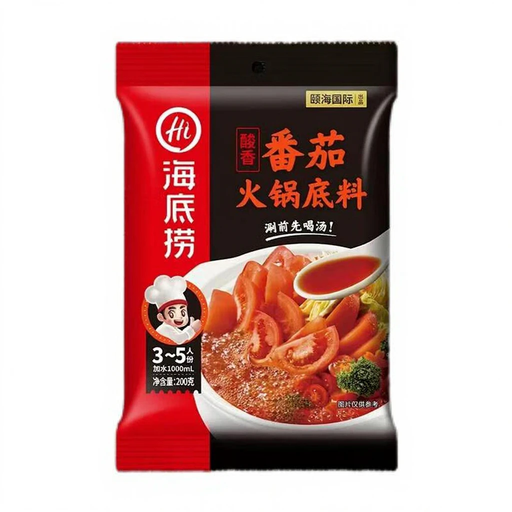
Why it suits this profile: According to the product description, this tomato base isn’t spicy and is intended for hotpot, noodle soup and stews. That makes it a good choice for a first meal using ingredients from the supermarket.
The instructions are straightforward: add the base to around 1,000 ml of water and bring to a thorough boil. Do check the wheat allergen information on the pack.
200 g; tomato purée listed as an ingredient; suitable for hotpot and other dishes.
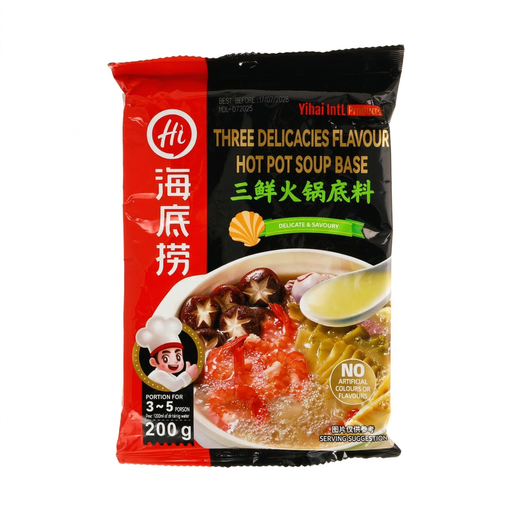
Why it suits this profile: According to the product information, this mild Chinese hotpot base is designed to make a savoury broth without overpowering heat. This lets the flavours of meat, fish, tofu and vegetables come through.
The instructions call for 1 to 1.5 litres of boiling water. You can adjust the concentration to suit the quantity of ingredients, but check the listed allergens, including sesame, sulphites and shellfish.
200 g; light, savoury flavour according to the product description; suitable for hotpot, noodle soup and stews.
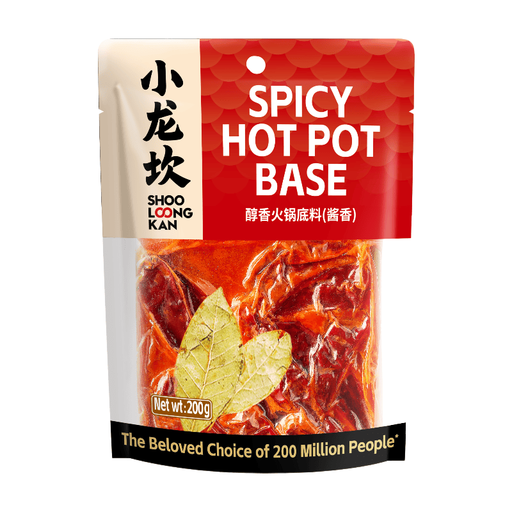
Why it suits this profile: According to the product description, this base offers a milder take on mala, with chillies and Pixian bean paste. It’s a good fit for fans of distinctive Chinese hotpot who don’t want maximum heat.
The instructions call for 600 g of water or stock, with extra chilli and Sichuan pepper to taste. So you can adjust the intensity yourself.
200 g; whole chillies according to the product information; suitable for meat, seafood, vegetables and tofu. Contains soy.
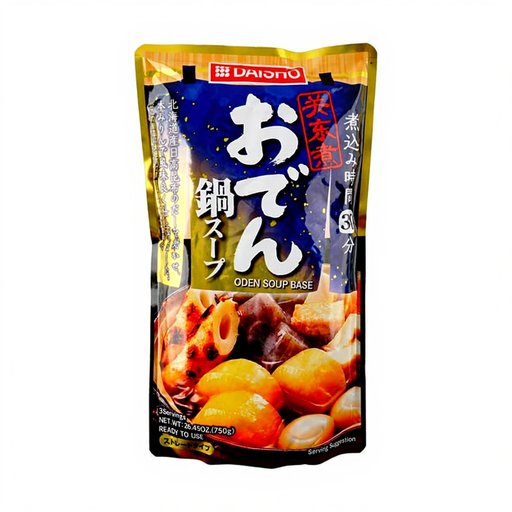
Why it suits this profile: According to the product description, this Japanese liquid hotpot broth is made for oden and contains dashi, bonito and kelp extracts. It’s a natural choice for a gentle meal with tofu, radish and fish cake.
The liquid format means you don’t need to break up a solid base first. Dilute according to the label and check the ingredients if you’re allergic to fish, soy or kelp.
750 g; liquid base; suitable for oden and a Japanese hotpot meal.
We’ve put together a complete, up-to-date list of products that meet these strict selection criteria and current European safety regulations.
It depends on the product. Check the recommended amount of water: some bases are intended for around 800 to 1,000 ml, while others call for 1.2 to 1.5 litres. It’s best to add extra water gradually, so the broth doesn’t become too weak.
A Chinese hotpot base is often strongly seasoned and may contain chilli, Sichuan pepper, bean paste or tomato. Japanese varieties more often use dashi, kombu, bonito, soy or pork stock. According to the product description, a tonkotsu soup base has a creamy pork bone-style broth and contains soy, wheat, pork and chicken, among other ingredients. So always check the allergens.
Follow the instructions on the pack. The product details for several bases say they should be refrigerated after opening and used within two days. Store unopened packs in a cool, dry place and don’t use a product if its packaging is swollen or damaged.
