
Vandaag of morgen in huis

Kwaliteit gegarandeerd

Welkomstaanbiedingen ontgrendelen: GRATIS bezorging | Tot 80% korting | Gratis 30 dagen JoyPlus-proefperiode
Download de app
Hosting an authentic hot pot night at home sounds like a perfect plan. A convivial gathering with friends or family around a simmering pot filled with delicious ingredients. But the search for the right hot pot soup base can quickly become overwhelming. The shelves are packed with packages all promising "authentic" and "flavorful" experiences. Unfortunately, this often leads to disappointment.
As a Joybuy Product Recommendation Officer, I see where things often go wrong. Many people fall into a few common traps, leaving their hot pot experience short of their expectations.
Let's tackle these problems by looking at the specifications that truly matter.
Before you make a choice, it's helpful to understand three fundamental characteristics of a hot pot soup base. This will help you see past the marketing and choose a product that genuinely suits your preferences.
The texture of the base largely defines the dining experience.
The ingredient list is your best friend. For an authentic Chinese fondue base with mala flavor, look for terms like Sichuan peppercorns (for the 'ma') and fermented broad bean paste (Pixian doubanjiang), which provides a deep, savory umami flavor. A well-known brand like Haidilao soup base often specifies the type of chili and peppercorns.
For a Japanese Asian broth, ingredients like dashi (broth from kelp and bonito), soy sauce, and mirin (sweet rice wine) are indicators of an authentic flavor profile.
With a mala hotpot, balance is crucial. A good base often mentions the presence of Sichuan peppercorns. Some brands even provide an indication of the spiciness level. If you don't enjoy the numbing sensation but still like it spicy, you're better off choosing a base that focuses solely on chili. For a mild experience, there are fantastic options like tomato, mushroom, or bone-based broths.
To get you started, we've highlighted a few popular choices and matched them to different preferences.
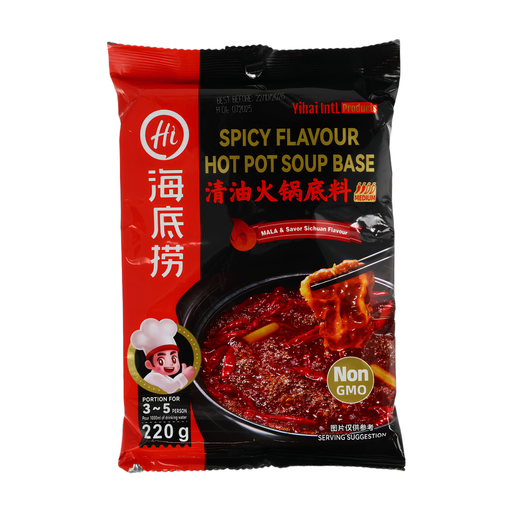
Why This Fits Their Persona: This person seeks the true, layered flavor of a Sichuan hotpot, including the signature numbing tingle. This is not a beginner's hot pot; this is for those who want the authentic restaurant experience at home.
This product avoids the pitfall of one-dimensional spiciness. The product information specifies 0.8% Sichuan peppercorns and 10% Spanish chili peppers, indicating a deliberate balance between 'ma' and 'la'.
From Haidilao, a globally renowned hot pot chain, which ensures a consistent and recognizable flavor. The vegetable oil base is lighter than traditional beef tallow variants.
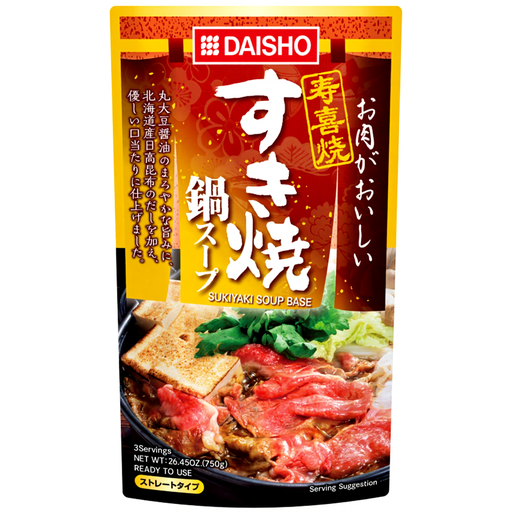
Why This Fits Their Persona: Ideal for those who appreciate the refined, sweet-and-savory flavors of Japanese cuisine. Sukiyaki is a communal meal where thinly sliced meat and vegetables are cooked in a shallow pot with broth. Perfect for a calm, flavorful evening.
This product sidesteps the pitfall of the 'wrong base'. It is specifically a sukiyaki base, not a generic 'hot pot' broth. This guarantees the correct sweet-and-savory balance that is characteristic of this Japanese dish.
A ready-to-use liquid broth that ensures maximum convenience. You only need to add water and your favorite ingredients for an authentic Japanese meal without complex preparation.
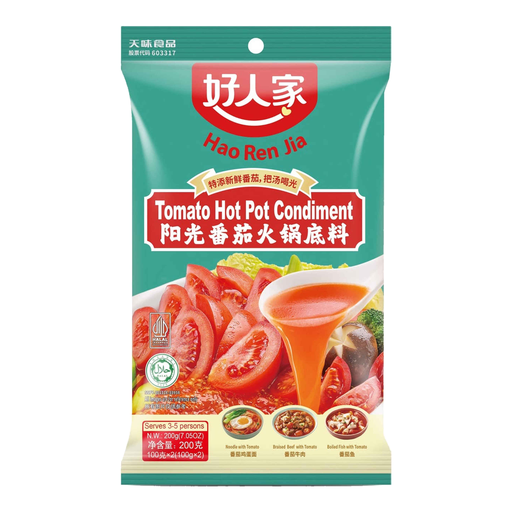
Why This Fits Their Persona: This person is looking for an approachable, non-spicy option that is a crowd-pleaser, including for children or guests who don't enjoy spicy food. The mild, tangy flavor of tomato is a popular and safe bet.
This product breaks the misconception that hot pot must always be spicy. It offers a rich, creamy, and flavorful broth based entirely on tomato, without the overwhelming saltiness of some other bases.
Highly versatile. Besides hot pot, this base is also excellent for a quick noodle soup or as a base for a stew. A practical and flavorful addition to any pantry.
The main difference lies in the flavor profile and intensity. A typical Chinese hot pot soup base, like one from Sichuan, is often thick, oil-based, and very spicy and aromatic. A Japanese nabe or sukiyaki base is usually a clear, lighter broth based on dashi, soy sauce, and mirin, with a focus on a deep umami flavor rather than spiciness.
This depends on the type of base. For a concentrate (paste or block), one package (usually around 200-250 grams) is often sufficient for 1 to 1.5 liters of water, which is enough for 3-4 people. For liquid, ready-to-use broths (often 750 ml), you can count on one bottle for 2-3 people, depending on how much you dilute it. Always check the instructions on the package.
Yes, you can. Let the broth cool completely, strain out any solids, and store it in a sealed container in the refrigerator. You can use it within 1-2 days as a base for a noodle soup or to cook vegetables in. Because raw meat and fish have been cooked in it, it's not recommended to store the broth for much longer.
