
Vandaag of morgen in huis

Kwaliteit gegarandeerd

Welkomstaanbiedingen ontgrendelen: GRATIS bezorging | Tot 80% korting | Gratis 30 dagen JoyPlus-proefperiode
Download de app
A Haidilao hot pot soup base makes it easy to enjoy hotpot at home: add the base to water, bring it to the boil, then choose your own meat, fish, tofu, vegetables and noodles. However, not every pack is right for every table. A spicy Sichuan base may be too intense for some diners, while a mild broth may not suit fans of mala spices.
So don’t just look at the picture or the words “authentic flavour”. The key differences are heat level, dilution, allergens, portion size and storage instructions.
A Sichuan hot pot base often combines chilli with Sichuan peppercorns. This brings not only heat, but also the distinctive tingling or numbing sensation of mala. However, not all hot pot seasoning mixes have the same level of heat. Check the ingredients, such as chilli, chilli paste and Sichuan peppercorns, and consider starting with just part of the pack.
The recommended amount of water varies considerably. Some bases are intended for 500 to 600 ml of water, while others need around 1 to 1.5 litres. Using a whole sachet with too little water can make the broth very salty or concentrated. So check the cooking instructions rather than relying on the pack weight alone.
Chinese hot pot broth often contains soya, wheat, sesame, peanuts or crustaceans. Salt levels can also vary considerably. For example, the Haidilao Spicy Hot Pot Seasoning Mix lists 15 grams of salt per 100 grams. That doesn’t mean you need to avoid the product, but it’s worth checking the other ingredients and avoiding extra salt in all your other ingredients and dipping sauces.
Use this practical guide:
A 200 or 220 gram pack may seem large, but the dilution ratio determines how much hotpot you can make with it. Examples from the product specifications:
If you’re serving a shared pot at the table, choose a base that suits the size of your pot. A concentrated portion may be more convenient for one or two people.
Read the allergen information before buying. Soya and wheat are found in several products. The Three Delicacies base also lists sesame, sulphites and crustaceans, among other ingredients. The Satay Hot Pot Soup Base contains peanuts, wheat, sesame and soya.
Storage instructions after opening vary from product to product. Some bases need to be refrigerated and used within two days. Store unopened packs according to the label, usually in a cool, dry place, and don’t use a swollen pack.
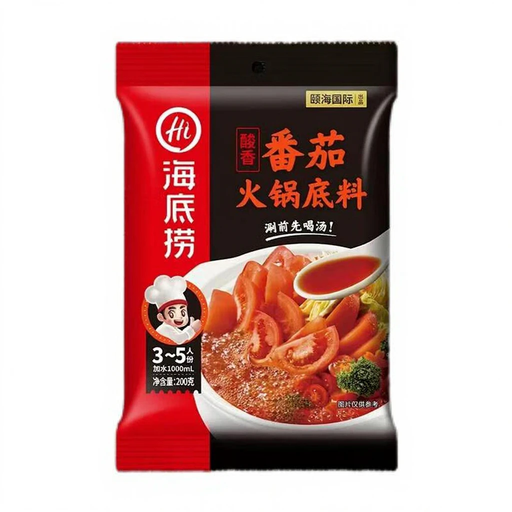
Why it suits this profile: According to the product description, this is a non-spicy base made with tomato purée. The instructions call for around 1 litre of water, so you can get started without needing lots of extra ingredients.
The flavour profile and preparation method are clearly described. You don’t have to start with a very spicy seasoning mix.
200 g pack; tomato purée listed as an ingredient; suitable for hotpot and, according to the product description, also for noodle soup and stews.
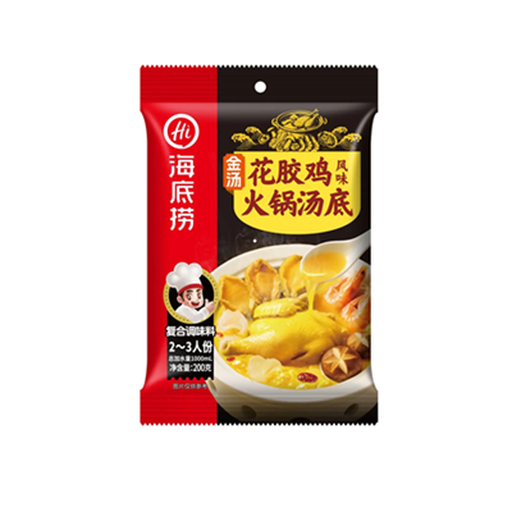
Why it suits this profile: According to the product description, this base contains 46% pumpkin and is designed to make a rich, savoury broth. It’s a good match for diners looking for more depth than a simple clear soup.
The product information clearly states the main flavour and identifies soya as an allergen. This makes it easier to choose a base that suits your recipe and the people you’re dining with.
200 g pack; 5.2 g of salt per 100 g; prepare by adding water and bringing the base to the boil.
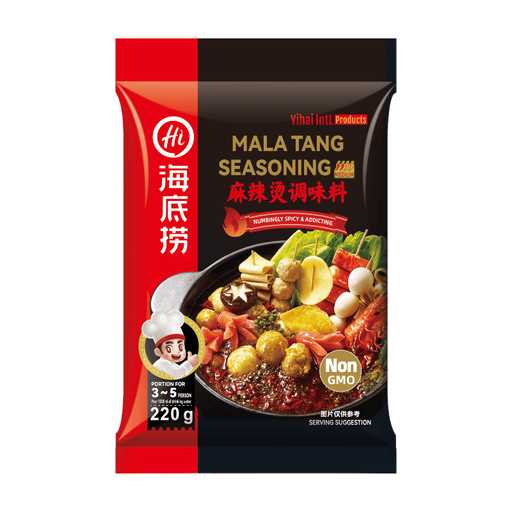
Why it suits this profile: According to the product description, this is a Sichuan mala base. The pack is intended for 1.5 to 2 litres of water and can also be used for noodles or stir-fries.
The water-to-base ratio is clearly stated. This lets you adjust the concentration and avoid adding a whole pack to a pot that’s too small.
220 g pack; lists 7.8% chilli and 1.8% Sichuan peppercorns; contains soya and gluten from wheat.
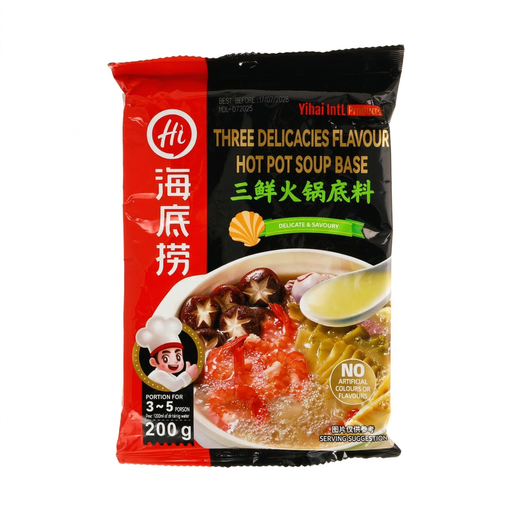
Why it suits this profile: According to the product description, this is a light, savoury base that isn’t focused on heat. The recommended dilution is 1 to 1.5 litres of water.
This base isn’t designed to deliver intense chilli heat. Do check the listed allergens, though: the product contains sulphites, sesame and crustaceans, among other ingredients.
200 g pack; 10.1 g of salt per 100 g; according to the product information, suitable as a base for hotpot, noodle soup or stews.
Only bring the pot to the table once the base has fully dissolved and come to the boil. Add ingredients that take longer to cook first, such as carrots, sweetcorn or firm mushrooms. Tofu, leafy vegetables and noodles can go in later. If you’re cooking for a mixed group, consider using a divided pot: a spicy Sichuan hot pot base on one side and a tomato or clear broth on the other.
Take care to avoid cross-contamination if anyone at the table has allergies. Use separate spoons for the broth and always check the latest packaging, as ingredients and nutritional information may change.
We’ve put together a complete, up-to-date list of products that meet these strict selection criteria and the applicable European safety regulations.
It depends on the product. Some larger packs need 1 to 2 litres of water, while a smaller sour portion may be intended for around 500 to 600 ml. Always follow the instructions on the pack.
Yes, several product descriptions list noodle soup as a suggested use. Start with a small amount and add more water if the broth is too strong or salty.
Store an opened liquid or oil-based soup base according to the label. It often needs to be refrigerated and used within two days. Dry mixes should generally be kept tightly sealed in a cool, dry place. Check the use-by date and packaging before use.
