
Vandaag of morgen in huis

Kwaliteit gegarandeerd

Welkomstaanbiedingen ontgrendelen: GRATIS bezorging | Tot 80% korting | Gratis 30 dagen JoyPlus-proefperiode
Download de app
A Chinese hotpot base makes cooking hotpot at home much simpler: you add water or stock, bring it to the boil, and cook meat, tofu, vegetables, noodles or seafood in it. However, a hotpot soup base, spice mix and ready-made sauce can vary greatly in flavour, portion size and usage.
If you only look at a well-known brand name or an eye-catching packet, you could end up with an awkward quantity, an overly salty broth, or a flavour that doesn't suit your guests. Below are the key points to consider, along with a selection of suitable options.
A Sichuan hotpot isn't just about chilli. Sichuan pepper creates a tingling, slightly numbing sensation, while chilli adds warmth. A base with lots of oil and chilli can therefore be intense, but not everyone appreciates that combination.
Look out for words like spicy, clear oil, mala, mild or three delicacies. A mild hotpot base or clear broth is more suitable when children, hotpot newcomers or people who prefer less spice are joining in.
Not every packet is designed for the same pot. Some products are suitable for around 500 to 600 ml of water, while other bases are intended for 1.2 to 2 litres. Too little water makes the soup overly concentrated; too much water can dilute the flavour.
Always check the instructions. A 110 g product, for example, might be intended for one small pot, whereas a 320 g block can serve multiple portions or a larger meal.
Chinese hotpot spices often contain wheat, soya, sesame, fish, shellfish or sulphites. Check the ingredients list if anyone in your group has an allergy. Also pay attention to the salt content: several products in this range list around 10 to 15 g of salt per 100 g.
That figure applies to the unprepared product. The final amount per bowl depends on the dilution and how much broth each person actually eats. Follow the packet instructions and taste after cooking before adding extra salt or soy sauce.
First, decide on the direction you want:
A spice mix for making hotpot at home can also be used for noodle soup, stews or stir-fries. Check the product description to see if it mentions these uses.
A base for 500–600 ml of water suits a small pot or a meal for one or two people. For a tabletop model with several diners, 1–1.5 litres is more practical. Individual sachets help you keep the dosage accurate; a larger block offers more flexibility if you only want to use part of it.
After opening, check the storage instructions. Some products need to be refrigerated and used within a few days, while other dry or oily bases can be stored in a cool, dry place.
Pay particular attention to:
A flavour enhancer on its own is not an indicator of product quality. The ingredients list, preparation instructions and allergen information give you more useful information for comparing products.
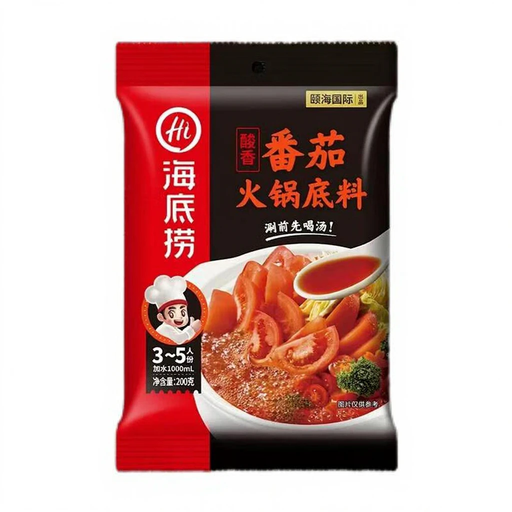
Why this fits the profile: The tomato flavour is not spicy according to the product description, and the base is intended for around 1 to 1.5 litres of water. That makes it straightforward for a first hotpot at home.
The flavour profile and recommended volume are clearly stated, so you are less likely to choose a base that is too spicy or too concentrated.
Tomato purée is a listed ingredient; according to the description, the base can also be used for noodle soup and stews.
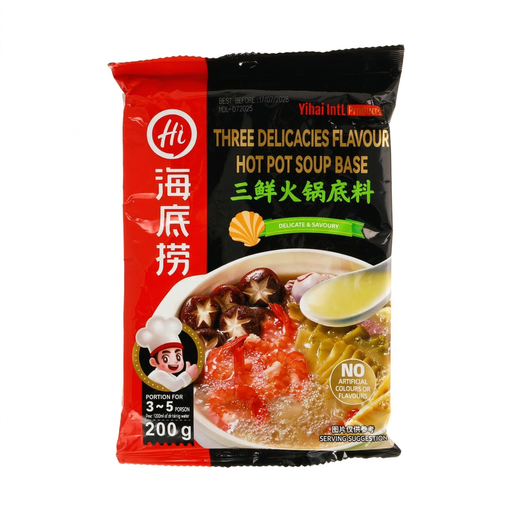
Why this fits the profile: The product information mentions a mild, savoury broth featuring pickled mustard stem, kelp and mushroom. That suits a table where the ingredients take centre stage.
The flavour is not chilli-focused. However, the allergen list includes soya, egg, sesame, mustard, shellfish and milk, so checking is still necessary.
Suitable for 1 to 1.5 litres of boiling water and can also be used in soups, noodles and stews.
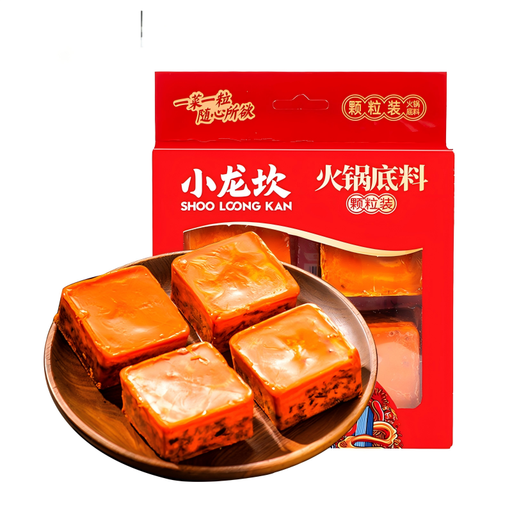
Why this fits the profile: The description mentions Pixian bean paste, Sichuan pepper and more than ten spices. This appeals to fans of a pronounced Sichuan style.
The instructions state 1 litre of water and a full 320 g bag. This makes the dosage clear, but check beforehand whether it suits your pot.
An oil and spice base with chilli, Sichuan pepper and fermented bean paste; soya and wheat are listed as allergens.
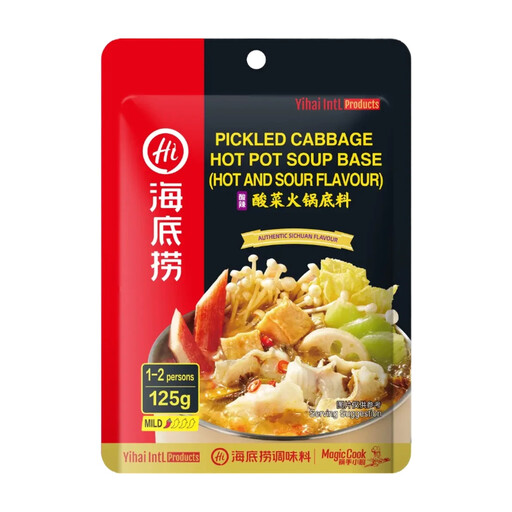
Why this fits the profile: The flavour is based on pickled mustard and is described as sour and spicy. The individual size suits small pots or a meal for one or two people.
The instructions state 500–600 ml of water. This helps with accurate preparation, without opening a large packet for a small meal.
According to the product information, suitable for hotpot, fish and noodles; contains mustard and chilli among other ingredients.
We have compiled a full, up-to-date list of products that fully meet these strict selection criteria and comply with current European safety regulations.
A shared pot works well with ingredients added in small portions. Keep raw and cooked ingredients separate, and use separate tongs or chopsticks.
A tomato base or clear broth is usually more approachable than a strongly spicy Sichuan base. Pay particular attention to the recommended water volume and choose a packet that suits the number of diners.
This varies by product. Store an opened oily base according to the label, often refrigerated, and use it within the stated period. A dry mix may have different storage instructions. Always check the packaging and do not use any product where the packet is bloated or the smell and appearance are unusual.
The base is just one part of the meal. Also budget for vegetables, tofu, noodles, meat or seafood, and possibly a hob. A larger packet can be handy for several diners, while an individual sachet limits waste for a small meal.
