
Vandaag of morgen in huis

Kwaliteit gegarandeerd

Welkomstaanbiedingen ontgrendelen: GRATIS bezorging | Tot 80% korting | Gratis 30 dagen JoyPlus-proefperiode
Download de app
A hot pot base might seem simple: open the packet, add water and cook your ingredients. Yet many people end up buying a product that doesn’t suit their taste, pan size or dietary needs. A spicy broth can turn out too strong, while a mild base can lack flavour if you use too much water.
So it’s worth paying attention to three common pitfalls:
The right choice depends on the ingredients you want to cook and the people around the table. Think about the following points in advance.
A spicy hot pot base usually contains chilli, oil, fermented bean paste and Sichuan pepper. It works well with beef, lamb, tofu and firm vegetables. A Sichuan hot pot base tends to be aromatic, oily and tingling.
A mild hot pot base is more practical when children are eating or when you want to preserve the flavour of fish, mushrooms and vegetables. A clear broth with coconut powder, dried dates or goji berries can also be used for noodle soup or a stew.
A tomato hot pot base typically has a sweet-and-sour profile. This is a handy option if you want to avoid chilli but still want a pronounced broth. Check the sugar and salt content here: the differences between products can be significant.
Check how much broth one packet yields. Examples from the range:
A 200g packet is therefore not automatically suitable for a large group. With a wide pan where you keep topping up, it’s handy to have a second packet on standby.
Read the ingredients list and allergen information before buying. Pay particular attention to:
Brands sometimes use terms like “restaurant-style”, “authentic” or “natural”. Treat these as brand or product descriptions, not as independent quality assessments. According to the product description from Haidilao, the Three Delicacies variant is built around pickled mustard stem, kelp, shiitake and other umami-rich ingredients. Always check the packaging before use, as recipes or labelling can change.
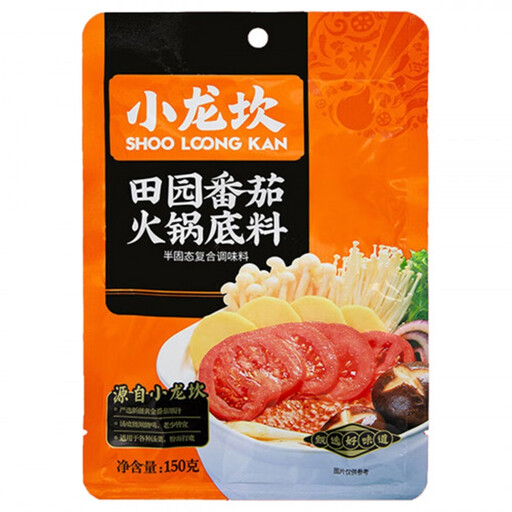
Why it fits the profile: One packet is designed for approximately 1.2 litres of water, making it straightforward for a first hot pot at home.
The usage instructions give a clear ratio: 150g base to 1.2 litres of water. According to the product description, this variant is not spicy.
55% tomato purée according to the product information; also suitable for tomato soup, pasta and stews.
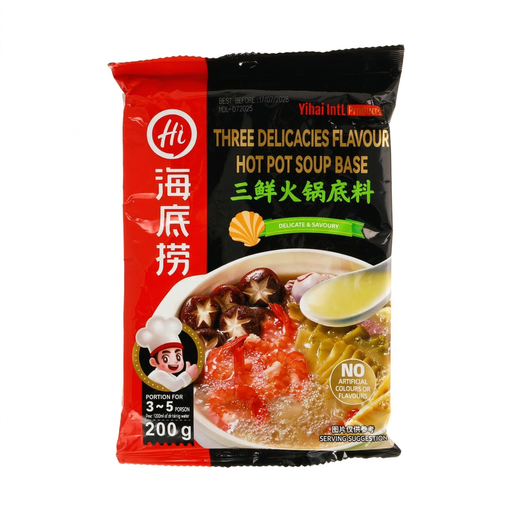
Why it fits the profile: Ideal for diners looking for a savoury, non-spicy Chinese hot pot base with multiple umami sources.
The packaging states a clear water quantity. The allergen list mentions sulphites, sesame and shellfish among others; checking beforehand prevents the wrong purchase.
200g per packet; according to the product description, suitable for hot pot, noodle soup and stews.
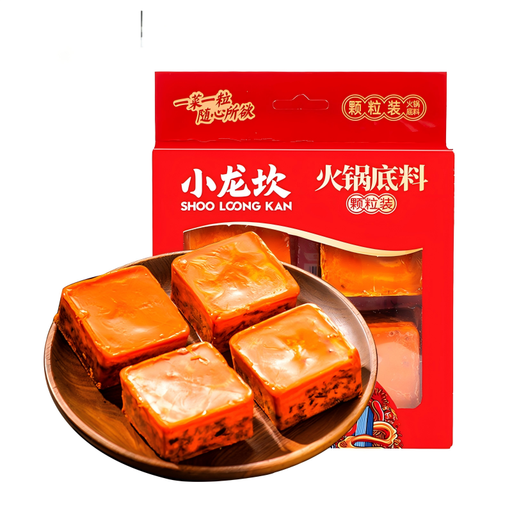
Why it fits the profile: Designed for fans of a spicy Sichuan-style broth and larger hot pot meals.
The instructions state 1,000 millilitres of water and a cooking time until the base has dissolved. The 320g quantity is suitable when you don’t want to work with a small single-serving packet.
According to the product information, contains chilli, Sichuan pepper, ginger and garlic among other ingredients; lists soya and wheat as allergens.
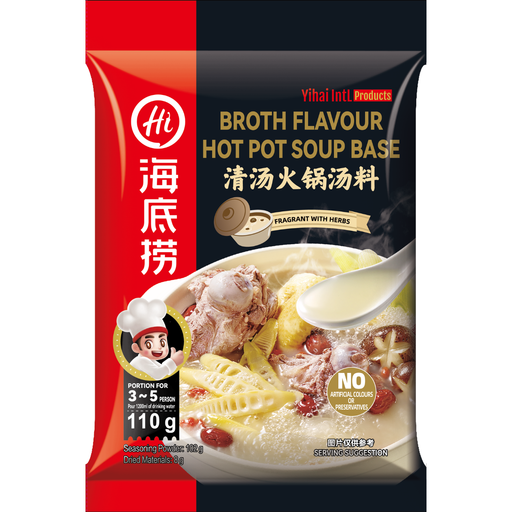
Why it fits the profile: A clear base with no listed allergens, suitable when not everyone at the table wants a spicy meal.
The instructions specify 1,200 millilitres of water. This means you can measure the broth accurately in advance rather than diluting by feel.
According to the ingredients list, contains coconut powder, red dates and goji berries; refrigerate after opening and use within two days.
We’ve put together a full, up-to-date list of products that fully meet these strict selection criteria and current European safety regulations.
A tomato hot pot base or mild Chinese soup base is usually more accessible than a heavily spiced Sichuan variant. Pay particular attention to the stated water quantity and choose a product with clear preparation instructions.
Yes. According to their product descriptions, several products are also suitable for noodle soup, stews or broth. A clear or tomato base often works well as a starting point. Do check the salt content before adding extra soy sauce or stock.
Follow the packaging. Many opened oil or sauce bases need to be refrigerated and used shortly afterwards. Discard the product if the packaging is bloated, there is an unusual smell or any visible change.
