
Vandaag of morgen in huis

Kwaliteit gegarandeerd

Welkomstaanbiedingen ontgrendelen: GRATIS bezorging | Tot 80% korting | Gratis 30 dagen JoyPlus-proefperiode
Download de app
The sweet, and sometimes slightly tart, flavor of grapes is popular in all sorts of products, from candy and drinks to unique Asian snacks. But not every purchase is a winner. Sometimes the taste is artificial, the texture is disappointing, or the product is packed with hidden sugars. If you're looking for grape-flavored products, it's helpful to know what to look for. This guide will help you avoid the common pitfalls and make choices you won't regret.
Before you add anything to your shopping cart, it's wise to be aware of a few common marketing traps and product flaws.
To sidestep the pitfalls above, you can look for a few concrete specifications. This will help you see through the marketing fluff and better assess a product's quality.
The intensity and quality of the flavor depend directly on the ingredients. Check the ingredient list for the following terms:
The texture is determined by the base ingredients. This is especially important for specific Asian snacks.
A glance at the nutrition facts label is always a good idea. Pay close attention to the "Carbohydrates, of which sugars" line. This gives a clear picture of the amount of added sugar. Products like DubbelFrisss White Grape Lemon offer lower-sugar versions by using sweeteners, which can be an alternative if you're watching your calorie intake. Even a traditional grape fruit syrup can be high in sugar, but since you typically use only a small amount, it can still be a suitable choice.
Based on clear product characteristics, we've selected a few products that suit different preferences.
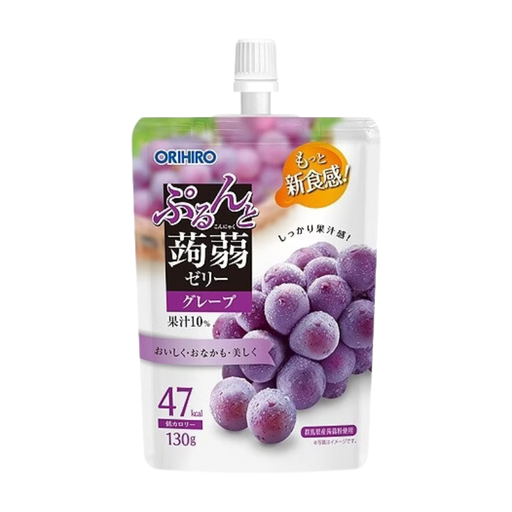
Why This Fits Their Persona: Perfect for those seeking a unique texture. This Japanese konjac jelly isn't a standard candy but a springy, satisfying snack popular throughout Asia.
This product sidesteps the texture pitfall by using konjac powder as its main ingredient, ensuring the promised 'bouncy' texture. The flavor comes from real fruit juice.
Low in calories (47 kcal per serving) and a unique, satisfying texture. Convenient squeeze pouch.
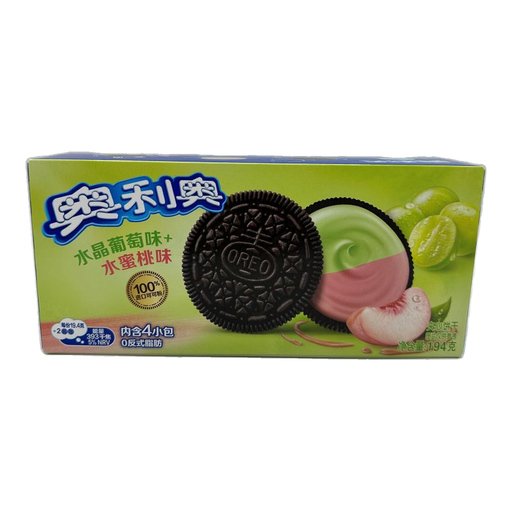
Why This Fits Their Persona: For those who love a familiar brand with an unexpected twist. This grape Oreo combines the classic cookie with a dual fruit filling of grape and peach.
The flavor is specifically described as 'crystal grape + peach,' which sets clear expectations. The description 'not too sweet' addresses concerns about an overly sugary taste.
A unique, layered flavor experience thanks to the dual fruit filling. The combination of a crunchy cookie with a fresh, fruity creme.
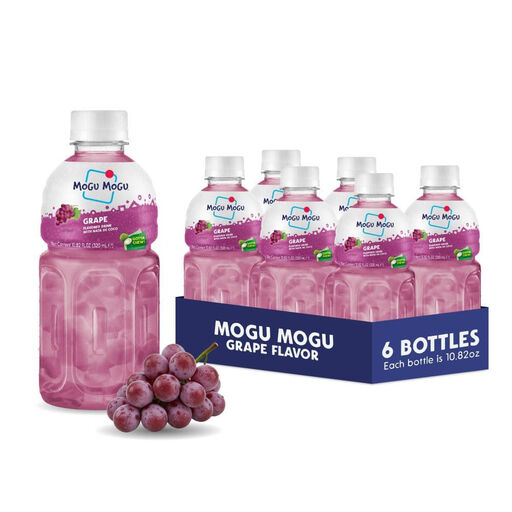
Why This Fits Their Persona: This is more than just a grape drink; it's a beverage and a snack in one. The addition of nata de coco (coconut jelly) provides a fun, chewy texture with every sip.
Here, texture isn't a pitfall but the main selling point. The packaging is clear about the 25% Nata De Coco, so you know exactly what to expect.
A unique drinking experience that quenches thirst while offering a playful, chewy sensation. Popular with adults and children alike.
Kyoho is a specific grape variety popular in Japan, known for its large, dark purple fruits and a particularly rich, sweet flavor with low acidity. Products with Kyoho grape flavor, like the Seiki Kyoho Grape Mochi, aim to replicate this deep and aromatic taste, which is often perceived as more luxurious than the flavor of a standard concord grape.
Konjac jelly is made from the konjac plant, a natural source of glucomannan, a dietary fiber. As a result, konjac-based snacks like the ORIHIRO Purun and Standing Grape are often low in calories. However, it's important to chew thoroughly, as indicated on the packaging, to prevent choking.
Mochi can dry out and harden quickly after the package is opened. The best way to preserve its soft texture is to store any leftover mochi in an airtight container or bag and consume it within one to two days. Refrigeration is generally not recommended, as it can alter the texture. Always consult the storage instructions on the packaging.
