
Vandaag of morgen in huis

Kwaliteit gegarandeerd

Welkomstaanbiedingen ontgrendelen: GRATIS bezorging | Tot 80% korting | Gratis 30 dagen JoyPlus-proefperiode
Download de app
Grape snacks come in many forms: from raisins and grape sweets to Japanese fruit jelly, grape gummies and sweet, refreshing drinks. These products can sometimes appear similar because of words such as “fruit”, “juice” or “white grape”, but they can differ considerably in ingredients, sugar content, serving size and texture.
When buying online, shoppers mainly face three pitfalls:
Use the points below to compare grape snacks in a sensible way.
Start by checking the ingredients list. Does it contain grape juice, grape purée or concentrated grape juice, or is it mainly made up of sugar, glucose syrup and flavouring?
For example:
The term white Muscat grape, or “Muscat”, often refers to a specific flavour profile. Check the label to see whether grape juice or concentrate from that particular grape has actually been used.
A small package may seem easy to assess, while its nutritional value per 100 grams is relatively high. Compare the same unit instead:
A low energy value per serving does not always mean that a full package has the same ratio. Also check the net weight and the number of servings.
Products intended for the Dutch market should display allergen information clearly on the label. Pay particular attention to ingredients that you would not necessarily expect in a classic fruit snack:
For jelly, mochi and gummies, the instructions for use are important. ORIHIRO advises squeezing the jelly out of the packaging while chewing thoroughly. Whole raisins, jelly and chewy sweets are not automatically suitable for young children. Always follow the age recommendation on the packaging and supervise children while they are eating.
Store dried fruit and sweets in a dry, cool place in a well-sealed container. Drinks often need to be refrigerated after opening and used within the period stated on the packaging.
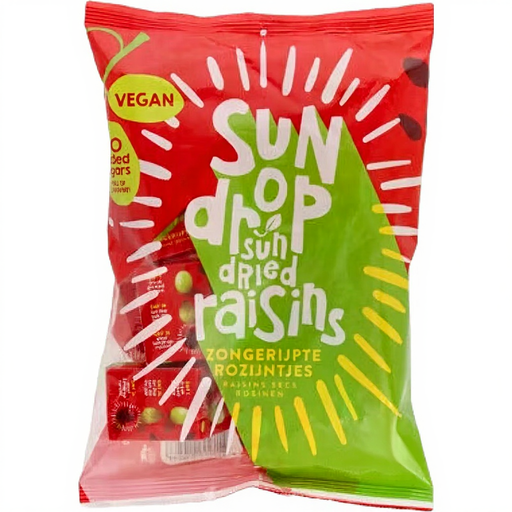
Why it suits this profile: A straightforward choice for anyone wanting to try dried fruit without a complicated ingredients list. The bag contains 252 grams and is suitable as a snack on its own or in breakfast dishes and baking recipes.
The product information states that it contains 99.5% raisins and 0.5% sunflower oil. This makes it clear that it is not grape confectionery containing hidden flavourings.
252 grams of product; according to the product data, none of the 14 main EU allergens; 4.2 grams of fibre per 100 grams.
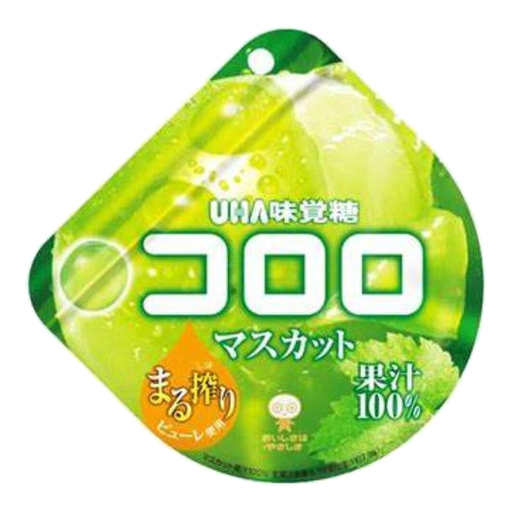
Why it suits this profile: For lovers of Japanese grape snacks who value a soft, fruity bite and a distinctive Muscat flavour above all else.
The product description mentions concentrated fruit juice and describes a thin outer layer with a soft centre. However, check the allergens: apple, beef and gelatine are listed.
48 grams of product; resealable packaging according to the product information; 267 kcal and 68.8 grams of carbohydrates per 100 grams.
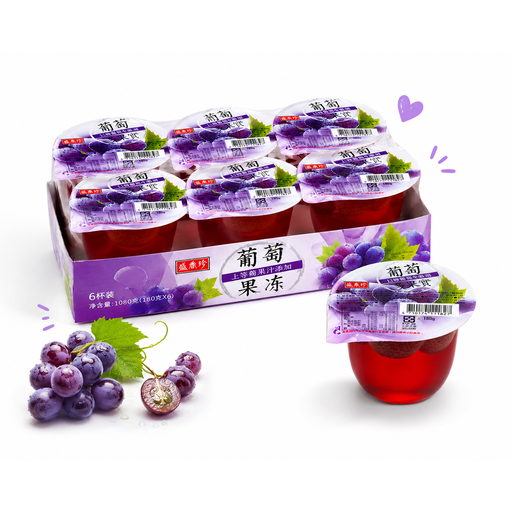
Why it suits this profile: A practical option for households, offices or fruit jelly fans who want to keep multiple portions in stock.
The packaging clearly states 6 × 180 grams. This makes it easier to plan portions than with one large, non-divisible package. The texture calls for eating slowly and chewing thoroughly.
Total contents of 1080 grams; grape juice and grape purée according to the ingredients list; 63.2 kcal and 13.2 grams of sugars per 100 grams.
We have put together a complete, up-to-date list of products that fully meet these strict selection criteria and the applicable European safety regulations.
Raisins are dried grapes and are ideal for breakfast, baking or a simple snack. Golden raisins, such as Anatolia Sari Uzum, are described in the product information as having a soft texture and light colour. Always check the recommended age and eating supervision for young children.
Grape gummies and grape sweets are mainly intended for people who value texture and playful design. Amos 4D and Amos Peelerz contain gelatine, which may be relevant for those following particular diets.
Grape jelly and fruit jelly with grape offer a soft, cool snack with no preparation required. Pay attention to the juice percentage, added sugars and instructions on chewing.
Grape drinks and grape juice are convenient when you are out and about, but compare the sugar content per 100 millilitres. According to the product data, Haitai Bon Bon contains grape powder and extract, while Senpure Meco lists, among other ingredients, 2.9% white grape juice concentrate. These are different product compositions, even though both have a grape flavour.
Yes. Raisins are dried grapes. Drying makes the fruit smaller and intensifies its flavour. It is therefore wise to check the serving size and nutritional value per 100 grams on the label.
A resealable gummy pack or individually wrapped mochi is easy to take with you. For a larger supply, jelly portions or a multipack are more convenient. Store the product according to the label and check whether the packaging can be sealed securely after opening.
Check the age recommendation, allergens and texture. Jelly and gummies can be slippery or chewy. Encourage young children to eat slowly, supervise them and follow the instructions on the packaging. The presence of grape juice does not automatically mean that a product is suitable for every age.
