
Vandaag of morgen in huis

Kwaliteit gegarandeerd

Welkomstaanbiedingen ontgrendelen: GRATIS bezorging | Tot 80% korting | Gratis 30 dagen JoyPlus-proefperiode
Download de app
If you want to buy konjac jelly, you’re probably looking for a convenient snack that’s low in calories and sugar, with a soft, chewy texture. Yet the packaging can look very similar even when the nutritional values are not. A “zero calorie” claim doesn’t automatically mean a product contains no carbohydrates, sweeteners or allergens.
This buying guide helps you compare konjac jelly, low-calorie snacks and other options, such as sugar-free jelly, low-carb snacks and protein bars, using clear product information.
A product may contain no sugar but still have carbohydrates from ingredients such as polyols. So always check the nutritional information per 100g and per serving. Serving sizes can vary considerably between products.
A Japanese konjac snack isn’t necessarily sugar-free either. For example, Shimonita Konjac Jelly Salt Pine lists sugar and isomerised liquid sugar among its ingredients. According to the product information, it contains 15.7 kcal and 3.98g of carbohydrates per piece.
A low-calorie snack can be a handy bite between meals, but it won’t necessarily provide protein or keep you feeling full for long. According to their labels, many konjac jelly products contain 0g of protein. If you’re looking for a snack to have around your workout, a protein bar may be a better choice.
A protein bar usually contains more calories, but also considerably more protein. The Grenade Carb Killa contains more than 20g of protein per bar, according to the product description. It’s a different type of product from a sugar-free fruit jelly.
Konjac jelly is often eaten straight from a pouch. Some packaging advises squeezing the jelly out of the pouch and chewing it thoroughly. This is useful information, especially if you’re buying a snack to eat on the go or for children. Always check the current packaging, use-by date and ingredients list too.
Don’t just compare figures per 100g. A 150g or 155g pouch may contain a different total amount of calories and carbohydrates from a small, individually wrapped jelly piece.
Examples from the product information:
The term keto snack alone isn’t enough to tell you whether a product suits your diet. Check the total carbohydrates, sweeteners and serving size.
Konjac jelly often contains water, konjac powder, fruit concentrate, acidity regulators and gelling agents. Some varieties contain erythritol, sucralose, aspartame or acesulfame K. Packaging may state that a product containing aspartame is a source of phenylalanine.
Check allergens too:
If you have an allergy or intolerance, always follow the information on the current packaging. Product ingredients can change.
An individual pouch is handy for work, travel, school or a walk. A multipack may be more economical if you regularly want to take a healthy snack with you. Do check the storage instructions, though. Some pouches need to be refrigerated after opening and used within two days.
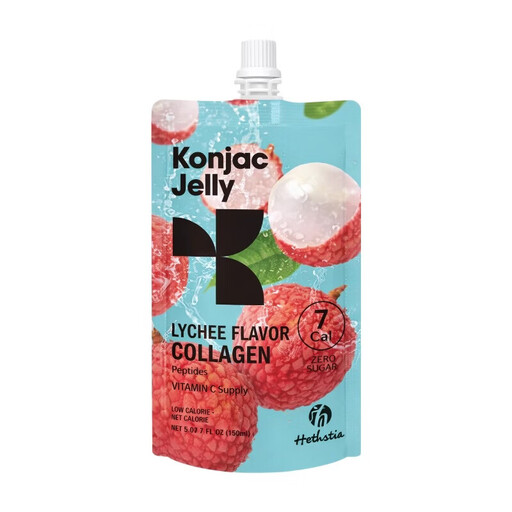
Why it suits this profile: A ready-to-eat pouch for anyone who wants an easy introduction to konjac jelly, with no preparation needed.
The product information lists 7 kcal and 0g of sugar per 100g. Do check the current packaging and total serving size.
155g per pouch, lychee flavour, ready to eat and described as gluten-free in the product information.
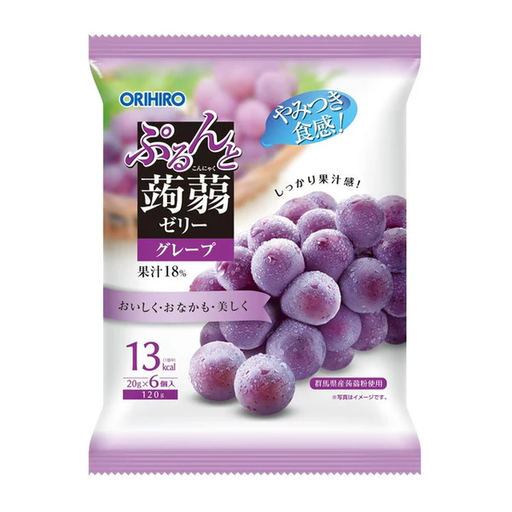
Why it suits this profile: The six individually wrapped portions are ideal for shoppers who value a premium Japanese konjac snack to enjoy at home or on the go.
The portions are individually wrapped, making it easier to manage how much you eat. The product information does list sugar and erythritol, so this isn’t a completely sugar-free jelly.
Six pieces, grape flavour, 120g in total, and ideal for a lunchbox or snack break.
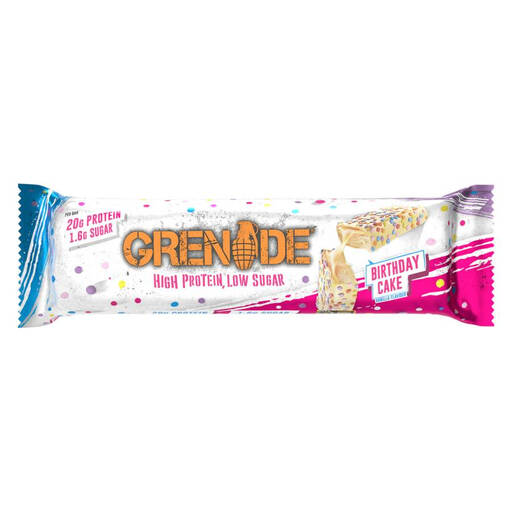
Why it suits this profile: For active people looking for more protein than a standard low-calorie jelly can offer, for example around a workout.
The product description lists more than 20g of protein and 1.6g of sugar per bar. It’s clearly a protein bar, not a virtually calorie-free snack.
60g per individually wrapped bar, more than 20g of protein and convenient for when you’re out and about. Contains milk; excessive consumption of polyols may have a laxative effect.
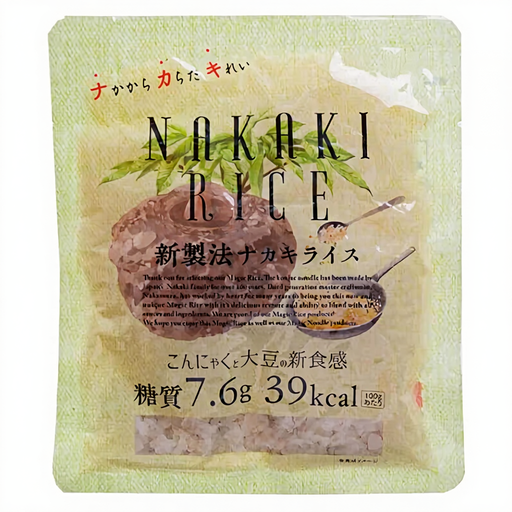
Why it suits this profile: An alternative to individual jelly snacks if you want to use konjac in a quick, low-carb meal.
The product information lists 0 kcal and 0g of carbohydrates per 100g. This isn’t a sweet snack, but a rice alternative made with soya; check the soya allergen information.
180g per pack, quick to prepare, described as gluten-free in the product information and suitable for vegans.
We’ve put together a complete, up-to-date list of products that meet these strict selection criteria and current European safety requirements.
It depends on the total nutritional values and your personal keto goals. Don’t choose based only on claims such as “zero calorie” or “sugar-free”; check the carbohydrates, polyols and sweeteners in the whole pack. A product containing sugar, such as some Shimonita varieties, may be less suitable for a strict low-carb diet.
The use-by date is shown on the packaging. Unopened pouches should generally be stored as instructed, usually in a dry place away from direct sunlight. Some products need to be refrigerated after opening and eaten within two days. Always follow the label for the specific variety.
It depends on what you’re looking for. Konjac jelly is often a light, low-calorie snack. A protein bar may cost more per serving, but according to the nutritional information, it also provides much more protein. So compare the price per serving and the nutritional values, not just the price per pack.
