
Vandaag of morgen in huis

Kwaliteit gegarandeerd

Welkomstaanbiedingen ontgrendelen: GRATIS bezorging | Tot 80% korting | Gratis 30 dagen JoyPlus-proefperiode
Download de app
Konjac jelly is popular with fans of Korean and Asian snacks. This drinkable jelly usually comes in a handy squeeze pouch, making it easy to take to the office, school or enjoy on the go. Yet many varieties look more alike than they really are. If you only pay attention to the fruity packaging or the word “light”, you could end up buying a product that does not suit your taste, ingredient preferences or preferred portion size.
Always compare the nutritional values per 100 ml or 100 grams and per pack. A product containing 5 kcal per 100 grams may still work out differently in a 120-gram pack than a 150 ml drinkable jelly. Some fruit jelly and jelly pudding varieties have a considerably higher energy value due to sugar, glucose-fructose syrup or fruit syrup.
Also pay attention to the difference between sugar, carbohydrates and sweeteners. Erythritol, sucralose and acesulfame-K are listed differently from sugar. A low energy value therefore does not automatically mean that the flavour or ingredients will suit everyone’s preferences.
Check the ingredients list and the QUID declaration. For example, Strong Konjac Jelly states that the fruit content is at least 40% per flavour. Other products only list a small amount of concentrated fruit juice, such as 0.1% in some WANT WANT varieties.
“Peach”, “mango” or “lychee” may therefore refer to a flavouring, a concentrate or a combination of the two. If you are looking for a distinct fruit flavour, it is worth checking the actual fruit percentage.
A squeeze pouch is convenient, but jelly is still a product that should be eaten slowly. Some packs warn that the jelly is not suitable for young children, or that you should chew it carefully and not swallow it whole. Always read the label and instructions for use, particularly when buying a jelly snack for the family.
Also check the best-before date, storage instructions and whether the packaging is undamaged. Once opened, a product may need to be refrigerated and consumed quickly.
A drinkable jelly in a pouch is ideal for a quick snack break. A tub containing individual jelly sticks is more convenient for sharing. Konjac snack with vegetables and sauce has a savoury, firmer texture, making it more suitable for anyone who is not looking for a sweet fruit jelly.
Also consider the net weight. A portion of 120 to 150 grams is practical for individual use, while packs of 400 grams or more are better suited to sharing or keeping in stock.
Use the table on the label as your starting point. Here are some examples from the range:
These differences show why a product name such as “konjac jelly” is not enough to compare varieties fairly.
Read the full ingredients list, even when the front says “vegan”, “gluten-free” or “free from allergens”. According to the product description, DELIEF refers to a plant-based collagen-like peptide. This is a product specification, not a medical effect. Do not use a brand’s health or nutritional claims as a substitute for personalised dietary advice.
If you have allergies, always check the current packaging. A product may not contain any of the 14 main EU allergens, but may still be produced in an environment where milk, eggs, fish, crustaceans, nuts, peanuts, soya or gluten are present. The information on the packaging takes precedence.
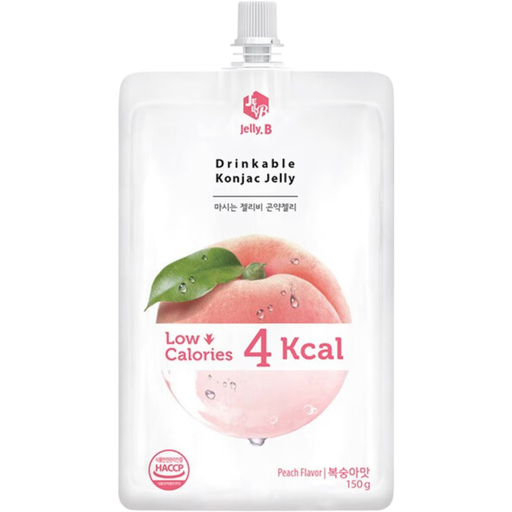
Why it suits this profile: A compact Korean konjac jelly for anyone who wants to try an individual portion first. The 150 ml pouch fits easily in a bag.
The product information gives the portion size and nutritional values per 150 ml. The ingredients and allergens are also clearly described.
150 ml per pouch, 10 kcal according to the product table and ready to eat.
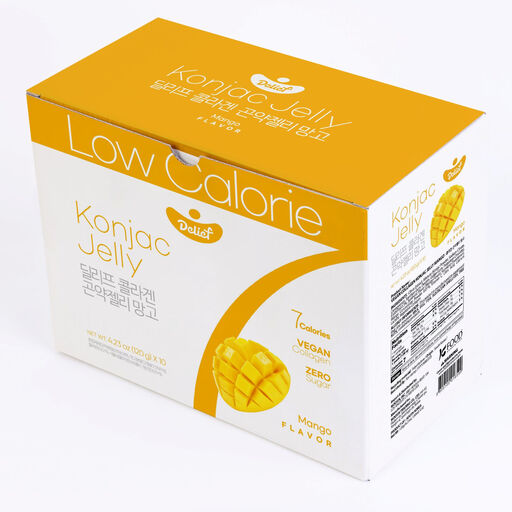
Why it suits this profile: A multipack for anyone looking for consistent portions and a mango-flavoured sweetener-based option.
The pack contains ten individual 120-gram pouches. The product information also explicitly states that it is ready to eat.
5 kcal per 100 grams according to the product information, mango fruit flavour and individual portion packaging.
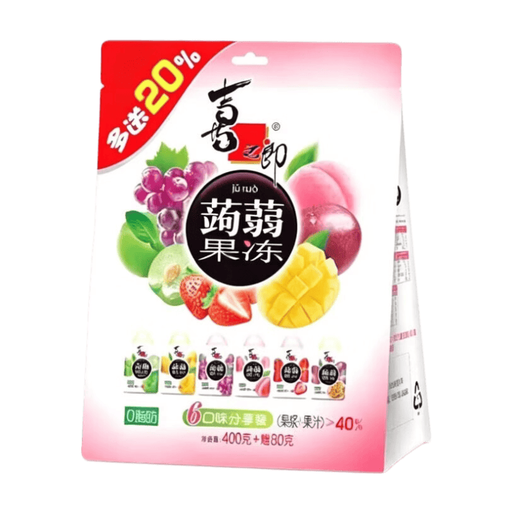
Why it suits this profile: A generous option for households, parties or enthusiasts who want to keep several fruity jelly flavours in stock.
The ingredients list gives a fruit content of at least 40% for each flavour. This makes it easier to verify the difference between flavour-based marketing and the declared fruit percentage.
400 grams plus an extra 80 grams, six listed flavours and suitable for serving chilled.
We have put together a complete, up-to-date list of products that fully meet these strict selection criteria and the applicable European safety regulations.
It varies by product. Some products list just 3 to 10 kcal per portion, while sweeter jelly snacks contain around 89 to 111 kcal per 100 grams. Compare the nutritional value, portion size and sugar content on the label.
Follow the instructions on the packaging. Many unopened products can be stored in a cool, dry place away from direct sunlight. Once opened, a variety may need to be refrigerated and consumed within a short time. Do not use a product if the packaging is damaged.
Not every variety is suitable for young children. Some products carry an explicit choking hazard warning and advise chewing carefully. Read the packaging and check the age guidance before giving jelly sweets or drinkable jelly to a child.
