
Vandaag of morgen in huis

Kwaliteit gegarandeerd

Welkomstaanbiedingen ontgrendelen: GRATIS bezorging | Tot 80% korting | Gratis 30 dagen JoyPlus-proefperiode
Download de app
A facial cleanser may seem like a simple product, but the differences in formula, usage and how it feels on the skin are significant. A foaming facial cleanser can feel pleasantly refreshing, while a product that is too strong can leave your skin feeling tight. Even a product labelled “for all skin types” won’t automatically suit every sensitive, dry or oily complexion.
The right choice, therefore, doesn’t start with a flashy marketing claim, but with the ingredients, the texture and your daily routine.
A rich lather often feels clean, but the amount of foam says little about how gentle the product is. Instead, look at which cleansing and nourishing ingredients are on the INCI list. Glycerine, betaine, panthenol, hyaluronic acid and amino acids, for example, can contribute to a comfortable skin feel, whereas a heavily degreasing formula may feel drying for some people.
A cleanser can help remove dirt, sebum, sunscreen residue and make-up. That doesn’t mean pores will permanently shrink or that every skin concern will disappear with washing. Products containing acids, enzymes or exfoliating particles require extra care. Rubbing too hard or exfoliating too often can make your skin feel uncomfortable.
Removing make-up and sunscreen isn’t always achievable with a single water-based cleanser. With a double cleanse, you first use an oil or balm, followed by a water-based cleanser. This can be useful in the evening, but isn’t always necessary in the morning. If you don’t wear make-up or water-resistant sunscreen, one gentle facial cleanser is often enough.
Surfactants are cleansing agents that lift dirt and sebum. Products with amino acid-based cleansers, glucosides or mild betaine variants are often chosen by people looking for a gentle daily cleanse. A foaming facial cleanser can be both mild and heavily degreasing; so look at the full ingredients list, not just the name.
Also pay attention to how your skin feels after rinsing:
A cleanser stays on the skin for a short time, but perfume and essential oils can still feel uncomfortable for some users. If you’re looking for a cleanser for sensitive skin, you might therefore consider a fragrance-free formula. Always check the current packaging, as ingredients can vary by variant or market.
For example: the Dr. Althea Amino Acid Gentle Bubble Cleanser is described in the product information as fragrance-free and contains amino acids. The Dr.Jart+ CICAPAIR Gentle Cleansing Foam, according to its listed ingredients, does contain lavender and bergamot oil. That doesn’t automatically make the second option unsuitable, but it is relevant information for sensitive skin.
A gentle facial cleanser with exfoliating components can be appealing for oily or combination skin. Check whether the formula contains salicylic acid, AHA, PHA, enzymes or granules. The Some By Mi Lactosoy Mild Bubble Peeling Cleanser, according to the product description, contains konjac particles. The manufacturer advises not to rub hard and to do a patch test first.
The Some By Mi AHA/BHA/PHA Miracle Acne Clear Foam, according to the product information, contains salicylic acid, citric acid and gluconolactone. The manufacturer warns that AHA and PHA can increase sensitivity to sunlight and states that the product is not intended for children under three years old. See these types of products as a specific choice, not as a standard cleanser for everyone.
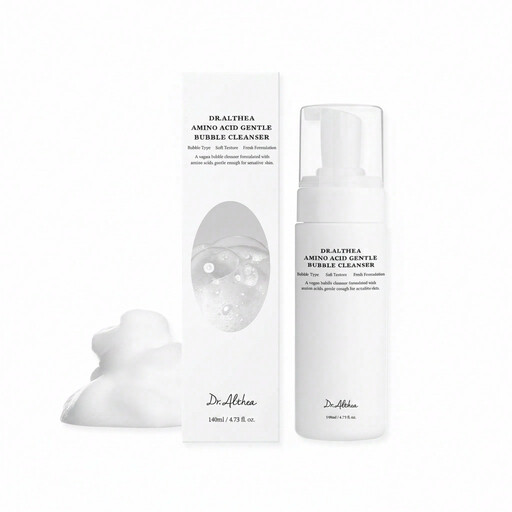
Why this fits the profile: A straightforward gel texture, fragrance-free formula and 140 ml content make this an accessible choice for anyone looking for a daily cleanser without an exfoliating focus.
The product information mentions a fragrance-free amino acid formula and no scrub particles, so you don’t have to rely solely on lots of foam or pore claims.
140 ml, gel texture, fragrance-free and, according to the product information, suitable for all skin types and daily use.
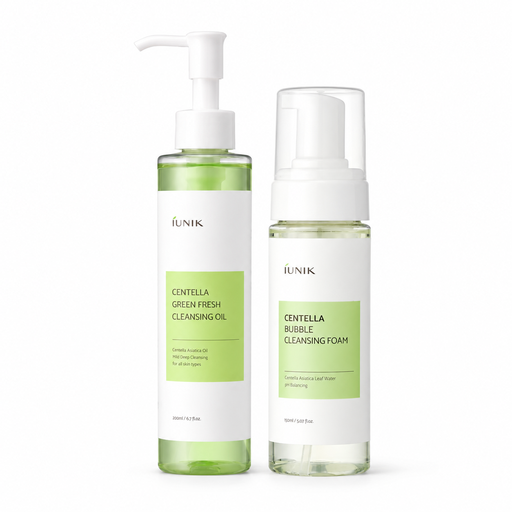
Why this fits the profile: This Korean facial cleanser set combines a 200 ml cleansing oil with a 150 ml bubble foam for a consistent evening routine.
You don’t have to combine oil- and water-based products yourself. The product description indicates the order for removing make-up and sunscreen.
Two products, a clear two-step routine and a combined 350 ml content.
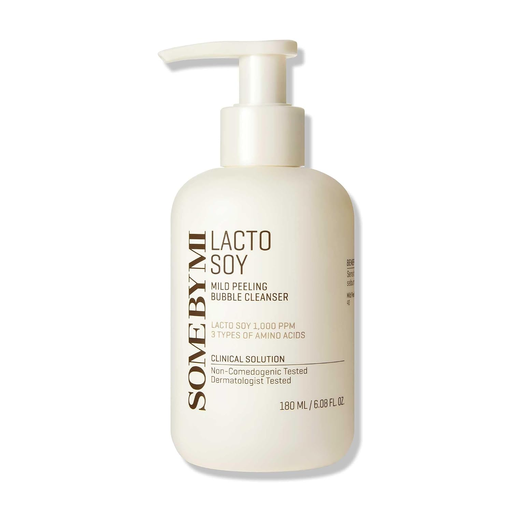
Why this fits the profile: If you want a light exfoliating step alongside cleansing, this product offers konjac particles and 180 ml content.
The usage instructions warn against excessive rubbing. This makes it clear that the peeling component should not be used with hard mechanical pressure.
180 ml, foaming texture and konjac particles for an additional exfoliating effect, according to the product information.
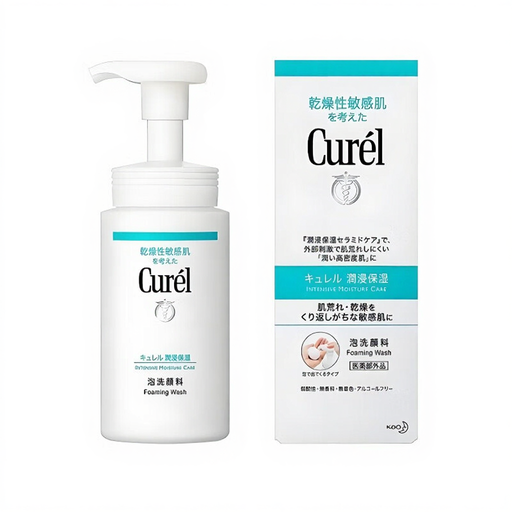
Why this fits the profile: The gentle mousse is, according to the product information, aimed at sensitive skin and daily cleansing while maintaining a comfortable skin feel.
The emphasis is on gentle foam cleansing, not on scrubbing or strong pore claims. This suits users who mainly want to limit dryness after washing.
Foam texture, 150 ml and product positioning for sensitive skin according to the provided product details.
We’ve put together a full, up-to-date list of products that fully meet these strict selection criteria and comply with current European safety regulations.
If you wear make-up or water-resistant sunscreen, start in the evening with a cleansing oil or micellar product. Follow this with a water-based cleanser. A double cleanse is mainly a practical method for tackling different types of residue, not a mandatory step for every skin type.
For many people, once in the evening is sufficient. In the morning, you can choose water or a gentle cleanser, depending on sebum production, overnight products and how your skin feels. If you experience redness, stinging or persistent dryness, it’s wise to review the frequency and formula.
That depends on the formula and the type of product you’re wearing. A cleansing oil or micellar product can help with make-up and water-resistant sunscreen. Afterwards, check that no residue remains and, if necessary, use a gentle cleanser as a second step.
This varies by packaging, amount used per wash and frequency of use. A pump bottle or mousse can be economical, while a gel where you dose yourself varies more. Check the expiry information and batch number on the packaging. Stop using it if irritation occurs and follow the manufacturer’s safety instructions.
