
Vandaag of morgen in huis

Kwaliteit gegarandeerd

Welkomstaanbiedingen ontgrendelen: GRATIS bezorging | Tot 80% korting | Gratis 30 dagen JoyPlus-proefperiode
Download de app
A facial cleanser should remove dirt, SPF and make-up without leaving your skin feeling tight or stripped. Yet with so many options out there, it can be tricky to pick the right one. Micellar water works differently from a cleansing gel, cleansing balm or cleansing oil. Ingredients such as salicylic acid, vitamin C and fragrance aren't suitable for every skin type either.
So don't just focus on terms like "glow", "deep cleansing" or "serum-infused". Instead, pay close attention to the instructions for use, the ingredients list, your skin type and the kind of make-up you want to remove.
A cleanser designed for oily or acne-prone skin sometimes contains ingredients that help remove excess sebum. That doesn't automatically mean the formula will be comfortable for sensitive or dry skin. A cleansing gel with acids, for example, can be too harsh for daily use if your skin tends to get red or dry easily.
If you have sensitive skin, it's better to choose a facial cleanser for sensitive skin with a simple formula. Look out for fragrance, alcohol and exfoliating acids in particular.
Not every micellar water removes waterproof mascara or long-lasting foundation with equal ease. For waterproof make-up, a waterproof make-up remover, cleansing balm or cleansing oil often works more effectively. These products usually have an oily phase that breaks down make-up.
Don't use excessive force around the eyes. A short waiting time and gentle movements are far better than scrubbing hard.
A vitamin C facial cleanser or salicylic acid facial cleanser may sound appealing, but the complete formula determines how it feels to use. Check whether the product contains fragrance, how often you can use it, and whether there are any warnings on the packaging.
According to brand product information, ingredients like vitamin C, niacinamide or salicylic acid can contribute to certain skincare goals. That's no guarantee of the same result for every user. Stop if irritation occurs and always follow the label.
For a hydrating facial cleanser, look for glycerine, hyaluronic acid, panthenol or amino acids. For oilier skin, a gel with niacinamide or salicylic acid could be a good option. Salicylic acid can make the skin more prone to irritation; so follow the warnings and use a suitable sunscreen during the day.
A fragrance-free formula is often a sensible starting point for sensitive skin. Always check the current ingredients list on the packaging, as formulas can change.
Compare the size with your daily routine. A 400 ml bottle is practical for home use, while 50 ml or 125 ml is easier to take when travelling. Also check:
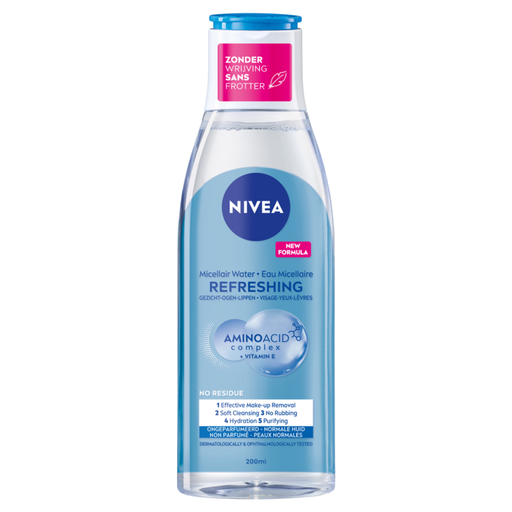
Why this fits the profile: The 200 ml bottle is a manageable size for daily use, and the product information states a fragrance-free formula with amino acids and vitamin E.
The usage information states that rinsing isn't necessary. Do check whether this suits the amount of SPF or make-up you wear.
200 ml size; micellar water; amino acids and vitamin E according to the ingredients list; dermatologically and ophthalmologically tested according to the product information.
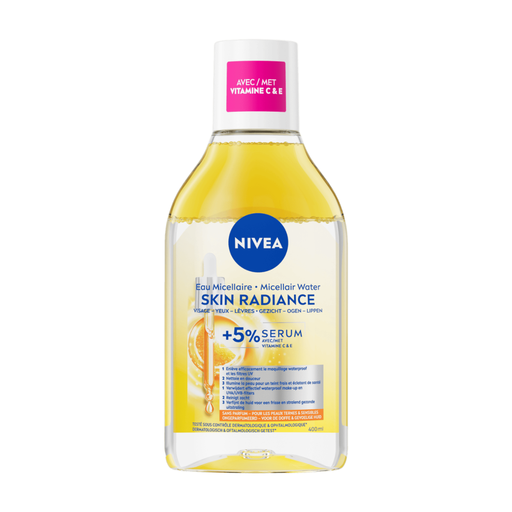
Why this fits the profile: If you're looking for a combination of make-up removal and nourishing ingredients, this micellar water contains 5% serum, vitamin C and E according to the product description.
According to the product information, the formula is fragrance-free and designed for waterproof make-up and SPF. Check your individual skin tolerance.
Amino acid complex; 5% serum with vitamin C and E according to the brand; fragrance-free; dermatologically and ophthalmologically tested according to the product information.
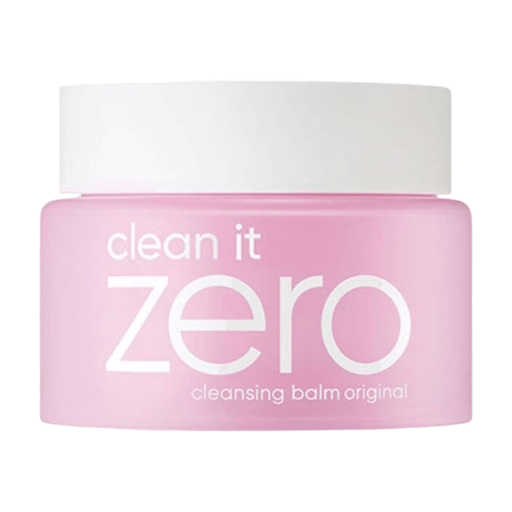
Why this fits the profile: This cleansing balm is designed to break down waterproof make-up, excess oil and daily grime. That makes it ideal for a thorough evening routine.
The instructions describe applying it to a dry face and emulsifying with water. This means there's no need to scrub hard when removing make-up.
100 ml size; balm transforms into a cleansing oil on contact with water; suitable for all skin types according to the product information.
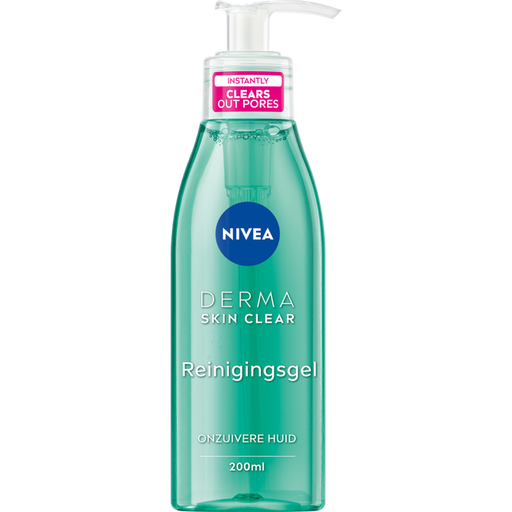
Why this fits the profile: According to the product information, this cleansing gel is designed for blemish-prone skin and contains salicylic acid and niacinamide.
The warnings mention salicylic acid and advise stopping if irritation occurs. This makes the usage limits clearer than a generic "anti-blemish" claim.
150 ml size; salicylic acid and niacinamide in the ingredients list; fragrance-free formula according to the product description.
We've put together a full, up-to-date list of products that fully meet these strict selection criteria and comply with current European safety regulations.
For a double cleanse, first remove make-up and SPF with micellar water, a cleansing balm or cleansing oil. Then, if needed, follow up with a cleansing gel or cleansing foam. For light daily grime, a single gentle step may be enough.
Apply a gel or foam to a damp face, massage gently and rinse with lukewarm water. Don't use a facial scrub every day. A product with acids or salicylic acid requires extra attention to how often you use it and to sun protection.
Many adults cleanse their face in the morning and evening. If your skin feels dry, sensitive or irritated, cleansing less often or using a milder formula may be more suitable. Always follow the instructions on the packaging.
Micellar water is handy because you don't need to rinse it off, and it's great for make-up removal or travelling. A cleansing gel is practical if you prefer to wash with water and enjoy a fresh feeling. For waterproof make-up, a cleansing balm or cleansing oil may be more suitable.
Check the expiry date and the period-after-opening symbol on the packaging. Store the product according to the instructions, keep the packaging tightly closed, and don't use it if the smell, colour or texture changes noticeably.
