
Vandaag of morgen in huis

Kwaliteit gegarandeerd

Welkomstaanbiedingen ontgrendelen: GRATIS bezorging | Tot 80% korting | Gratis 30 dagen JoyPlus-proefperiode
Download de app
A rose water facial cleanser can be a great addition to your daily routine when you want to remove make-up, SPF, sebum and dirt without leaving your skin feeling tight. However, a rose-themed name on the packaging doesn’t tell you everything about the formula. The texture, ingredients list and usage instructions are what really determine whether a product suits your skin and routine.
“With rose water” usually describes just one ingredient, not the entire performance of the facial cleanser. The formula may also contain perfume, essential oils or fragrances. These components aren’t automatically problematic, but sensitive skin can react less favourably to them.
Always check the full ingredients list. For example, the NIVEA Micellar Rose Care Cleansing Gel lists Rosa Damascena Flower Water, vitamin E, perfume and various fragrances. That gives you far more information than just the product name.
A facial cleansing gel is practical for daily washing, but not every gel removes waterproof make-up or SPF with equal ease. Micellar water is often more convenient for this, especially if you want to minimise rubbing. According to the product description, NIVEA’s Rose Care Micellar Water is designed to remove even waterproof make-up, dirt and SPF filters.
If you wear heavy make-up, you might want to use micellar water first, followed by a gentle facial cleanser. This way, you avoid having to rub your skin for too long.
An exfoliating facial cleanser with grains or acids has a different purpose than a regular cleanser. Scrubbing too often can leave your skin feeling uncomfortable or dry. Always check the recommended frequency of use. According to the product information, the Sabon Two in One Facial Scrub is recommended for use once or twice a week, not as a standard cleanser for every morning and evening.
Choose the format based on your routine:
Also pay attention to the usage instructions. A product that needs to be rinsed off works differently from a facial make-up remover you apply with a cotton pad.
Rosa Damascena Flower Water is the usual ingredient name for rose water from the damask rose. Also look for substances like glycerine, hyaluronic acid or vitamin E, which product descriptions often associate with a more comfortable skin feel.
A natural facial cleanser isn’t automatically suitable for every sensitive skin type. Natural fragrances and essential oils can also cause a reaction. If you have sensitive skin, always check the ingredients and stop using the product if you experience irritation or a rash. Avoid direct contact with the eyes, unless the packaging states otherwise.
Compare the volume with how often you’ll use it. A 400 ml bottle of micellar water can be practical if you wear make-up daily, while a 100 ml tube is easier to take with you. Check the shelf-life information on the packaging and follow the recommended period after opening, if stated.
A larger pack isn’t automatically better value if you can’t use the product within the recommended time. Store your facial cleanser according to the instructions, usually at room temperature and away from direct sunlight or heat.
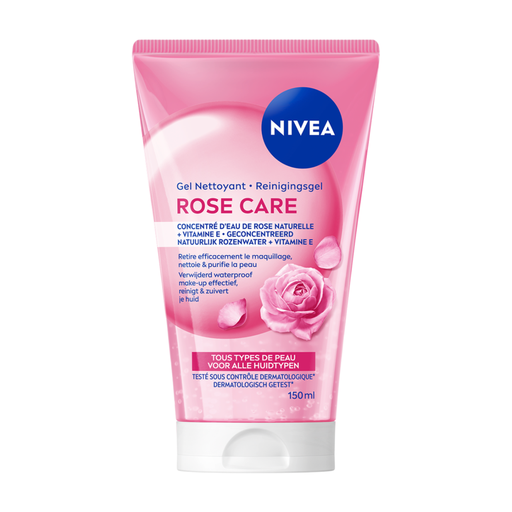
Why this fits: A simple gel for anyone looking for a daily facial cleanser to use with water. The product information mentions rose water, vitamin E and respect for the skin’s natural pH level.
The ingredients list clearly shows that perfume and fragrances are present alongside rose water. That helps you make an informed choice.
150 ml, gel texture and, according to the description, suitable for removing make-up and daily impurities.
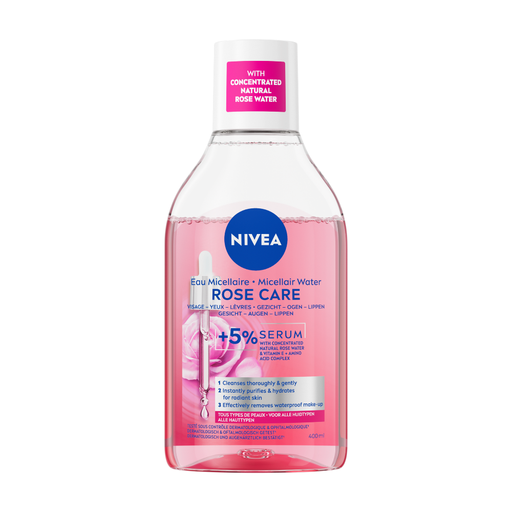
Why this fits: A practical micellar water for face and eyes. According to the product description, no rinsing is needed and no rubbing is required.
The product instructions state that you need to shake the two phases first. That way, you use the formula as intended.
400 ml volume, with 5% serum, rose water, vitamin E and an amino acid complex, according to NIVEA’s product information.
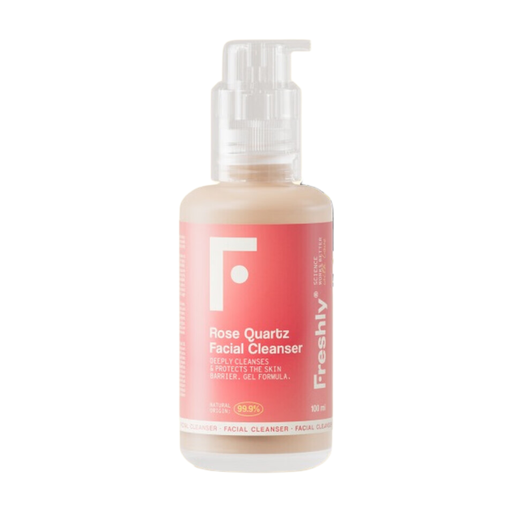
Why this fits: This creamy cleanser contains lotus, chia oil and vegan hyaluronic acid, according to the product information. The formula is described as vegan and made with 99.9% natural ingredients.
The product details explicitly state which substances have not been added, including sulphates, soap and silicones. Always check the current packaging, though.
Vegan product information, 100 ml volume and a formula without synthetic surfactants, according to the stated product specifications.
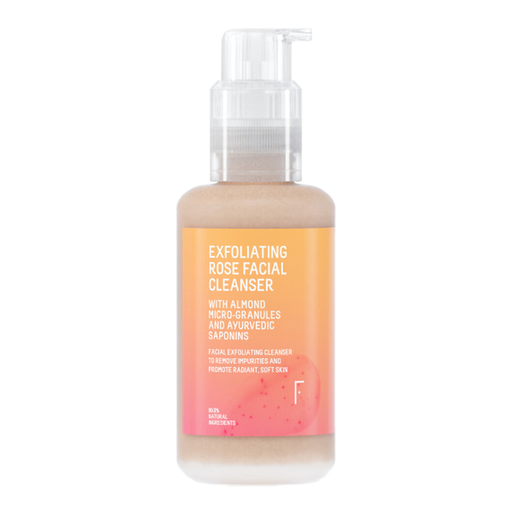
Why this fits: For those who want to remove dead skin cells as well as cleanse. According to the product description, the formula contains almond shell particles, plant saponins and hyaluronic acid.
The scrub function is clearly stated in the product name and usage information. Don’t automatically use this type of cleanser twice a day.
Biodegradable physical particles and product information about a formula without sulphates, soap, silicones and PEG.
Browse a current selection of floral facial cleansers and compare formulas, textures and product sizes based on the stated product specifications.
That depends on your routine. Micellar water is practical for make-up, SPF and cleansing without rinsing. A facial cleansing gel is used with water and can feel nicer when you want a thoroughly fresh sensation. If you wear a lot of make-up, you can combine both, as long as you don’t rub your skin too hard.
Yes, you can, provided the usage instructions mention daily application and the formula feels comfortable. An exfoliating facial cleanser or scrub is an exception: follow the recommended frequency and use it less often if your skin feels dry, sensitive or tight.
Don’t just look at the word “gentle”. Check for perfume, essential oils and fragrances in the ingredients list. Choose a simple hydrating facial cleanser, test it on a small area of skin first if you’re unsure, and avoid contact with the eyes. Stop using it if you experience irritation or a rash, and consult a doctor or pharmacist if symptoms persist.
