
Vandaag of morgen in huis

Kwaliteit gegarandeerd

Welkomstaanbiedingen ontgrendelen: GRATIS bezorging | Tot 80% korting | Gratis 30 dagen JoyPlus-proefperiode
Download de app
Removing make-up, SPF, sebum and dirt without lengthy rubbing – that’s what many shoppers use micellar water for. Yet not every cleansing water works the same way for every skin type. A formula that feels pleasant on oily skin can leave dry skin feeling tight. Likewise, a product that removes make-up may be less suitable for sensitive eyes.
So don’t just look at terms like “nourishing”, “brightening” or “hydrating”. Instead, pay close attention to the ingredients, how you use it and the skin needs the product is designed to meet.
A tingling or heavily fragranced product can feel refreshing, but that says nothing about its suitability for daily use. If you have sensitive skin, it’s wise to check the ingredients list for perfume and fragrance. A fragrance-free micellar water is a practical starting point, though personal tolerance remains key.
Many micellar waters can be used without rinsing according to the instructions. However, traces of make-up, SPF or cleansing agents can remain. Particularly for oily or blemish-prone skin, a second step with water and a gentle facial cleanser can be more comfortable.
Micellar water can therefore be a standalone cleansing step, but it can also serve as a make-up remover before a gel or foam cleanser.
Waterproof mascara and long-lasting foundation can take a bit more effort. Rubbing vigorously can make the skin around the eyes uncomfortable. Hold a soaked cotton pad over your closed eye for a few seconds, then wipe gently downwards. If a lot of make-up remains, a two-phase product or a separate eye make-up remover may be more suitable.
Claims about reducing redness, restoring the skin barrier or a brightening effect aren’t guaranteed for every user. Attribute such statements to the manufacturer. For example, NIVEA states in its product information that certain formulas hydrate, visibly reduce redness or dryness, or have a brightening effect. Always check the current packaging, ingredients list and usage instructions.
A 400 ml bottle may seem generous, but how much you use depends on the amount of make-up and the number of cotton pads per cleanse. For daily use, a larger bottle is often more practical. Also look at the cap: a well-dosing opening prevents you from using more product than necessary.
The NIVEA bottles mentioned are made from 97% recycled PET according to the product information, excluding the cap, label and insert. That’s a verifiable packaging specification, but it doesn’t automatically tell you about the product’s overall environmental impact.
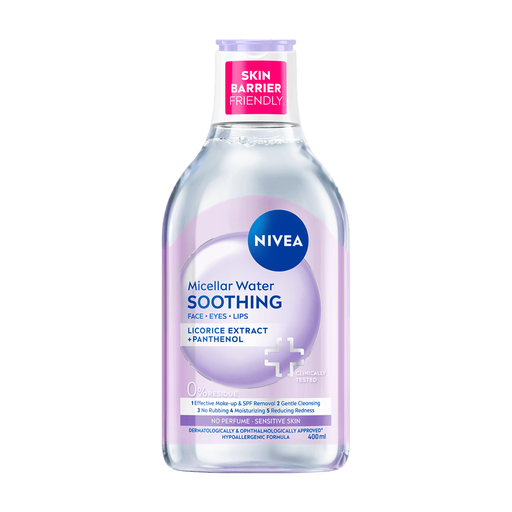
Why this fits the profile: According to NIVEA, the formula is designed for sensitive skin and daily use. The 400 ml bottle is practical for a simple routine combining make-up remover and facial cleansing.
The product information mentions a hypoallergenic, fragrance-free formula and use without rinsing. Do check the current packaging when purchasing.
400 ml volume; contains glycerine, panthenol and liquorice extract according to the ingredients list; fragrance-free per the product description.
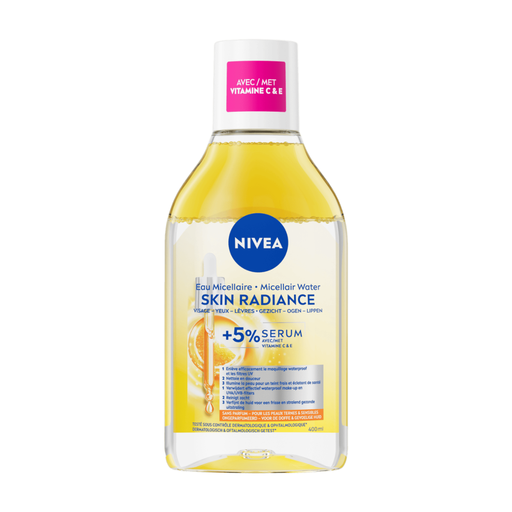
Why this fits the profile: If you care about a dull complexion as well as cleansing, this formula – with 5% serum and vitamins C and E according to the product description – could be for you.
According to NIVEA, the formula is fragrance-free and designed to remove waterproof make-up and SPF without vigorous rubbing.
Contains vitamin C and E derivatives per the product information; 400 ml volume; tested for skin and eye compatibility according to the manufacturer.
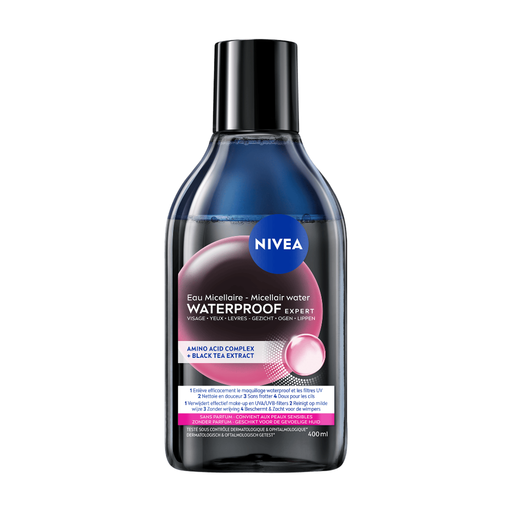
Why this fits the profile: This variant is aimed at those who frequently use waterproof eye make-up, foundation or SPF and want to avoid a separate make-up remover.
According to the manufacturer, the formula is designed for waterproof make-up and use without rubbing. A short dwell time is still advisable.
400 ml volume; contains glycerine, amino acids and black tea extract according to the ingredients list; eye and skin compatibility tested per NIVEA.
We’ve put together a full, up-to-date list of products that fully meet these strict selection criteria and comply with current European safety regulations.
A gel cleanser or foam cleanser works differently: you usually apply it to damp skin and rinse it off. So always check the usage instructions before using a product as a second cleansing step.
Not automatically. There are formulas for sensitive, dry, oily or combination skin. Check for fragrance, oils, alcohol-like ingredients and the instructions for use around the eyes. Test a new product on a small area of skin first if you react quickly.
That depends on the formula and your skin. Many packs state that rinsing isn’t necessary. For oily skin, heavy SPF or a sticky feeling, rinsing with lukewarm water or using an additional facial cleanser may be more comfortable.
Follow the expiry date and the period-after-opening symbol on the packaging. Keep the bottle tightly closed, out of direct sunlight and according to the manufacturer’s instructions. If the smell, colour or texture changes, stop using the product.
