
Vandaag of morgen in huis

Kwaliteit gegarandeerd

Welkomstaanbiedingen ontgrendelen: GRATIS bezorging | Tot 80% korting | Gratis 30 dagen JoyPlus-proefperiode
Download de app
A face mask can be a simple addition to your skincare routine, but there is a lot of choice. Options include sheet masks, Korean face masks, hydrogel masks and collagen masks. Each product has a different texture, wear time and list of ingredients.
Many consumers choose based on eye-catching packaging or words such as “deep”, “lifting” and “glow”. On their own, these say little about whether a product is suitable for your skin. The right choice starts with the purpose, the formula and the practical instructions.
Words such as “anti-ageing”, “firming” and “repairing” are often part of a product’s positioning. They do not guarantee a visible result. According to a brand’s own research, an ingredient may, for example, contribute to a particular skin feel or appearance, but that is not the same as a medical or proven effect for every user.
So look for verifiable information:
Leaving a sheet mask or hydrogel mask on for longer than indicated is not automatically better. Once the material dries out, it can actually feel uncomfortable. Some intensive masks are specifically designed to be worn for several hours, while others should be removed after 10 to 20 minutes.
Always follow the product instructions. According to the product description, a Biodance hydrogel mask can be used for 3 to 4 hours during the day or overnight, while a classic sheet mask is often worn for less time.
A face mask for sensitive skin should not be judged solely by the front of the packaging. Check the full INCI list. According to the product information, Dear, Klairs Midnight Blue Calming Sheet Mask is described as fragrance-free, but it does contain tea tree oil and limonene. These ingredients may be relevant for some users.
If your skin is sensitive or reacts easily, carry out a patch test first. Do not use a mask on damaged, irritated or broken skin, and stop using it if you experience redness, itching, swelling or a burning sensation.
Choose a mask based on what your skin needs at that moment:
A sheet mask should cover the skin evenly and fit closely around the nose, mouth and jawline. A hydrogel mask generally feels heavier and smoother than a thin cellulose or rayon mask. This can be pleasant for an intensive treatment, but a heavier material will not fit every face shape equally well.
Also check whether the mask consists of one or two pieces. A two-piece mask can be easier to position around the jaw and chin. Some lifting models have ear loops or an additional band. This mainly affects the fit and wearing comfort; it does not automatically prove a lasting lifting effect.
A pack containing several individual masks is convenient if you want to use a mask regularly. Check:
Extra caution is advisable with formulas containing retinol, vitamin C, acids or essential oils. For example, the Daily Mask Pack Saturday contains a retinol variant. According to the product information, sun protection is recommended during the day when using it. Do not use the mask more often than the instructions or your skin comfort allow.
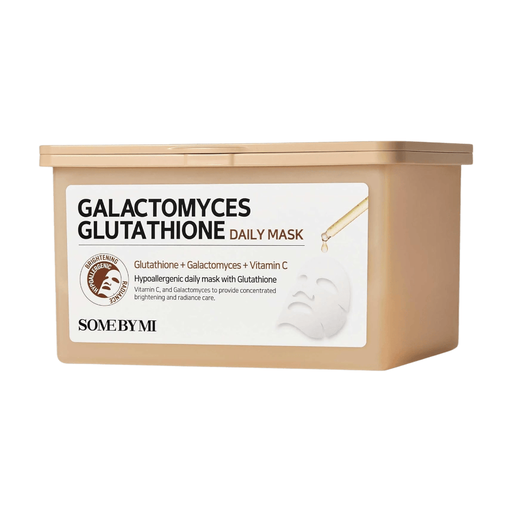
Why it suits this profile: The pack contains 30 individual sheets for anyone who wants to use a face mask regularly without immediately opting for an intensive hydrogel treatment.
The directions specify 10–20 minutes and single use. However, if you have sensitive skin, take note of bergamot oil, lavender oil, limonene and linalool.
30 sheets; the formula lists ingredients such as glycerine, niacinamide, panthenol and hyaluronic acid.

Why it suits this profile: This hydrogel mask is designed for a longer treatment and suits anyone looking for intensive skincare alongside their daily routine.
The product description clearly states 3–4 hours during the day or overnight use. This means the long wear time is part of the instructions, rather than just a marketing term.
4 masks of 34 g; formula containing glycerine, panthenol, several forms of hyaluronic acid and ceramides, among other ingredients.
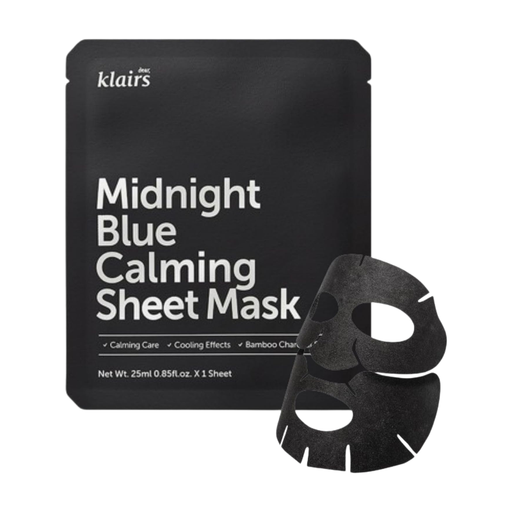
Why it suits this profile: A practical choice for anyone primarily looking for a soothing face mask with a short application time.
The instructions specify 15–20 minutes. The formula is described as free from artificial fragrances, but it does contain tea tree oil and limonene.
10 masks of 25 ml; rayon sheet with bamboo charcoal powder and ingredients such as glycerine, erythritol and centella extract.
We have put together a complete, up-to-date list of products that fully meet these strict selection criteria and the applicable European safety regulations.
Never reuse a sheet mask. A cream or sleeping mask has different storage instructions from an individually packaged mask. So always check the packaging.
That depends on the type and formula. According to the product instructions, a mild hydrating sheet mask can be used regularly. An intensive collagen mask or a product containing retinol, acids or essential oils calls for greater caution. For example, start by using it once a week and see how your skin responds.
Many sheet masks recommend around 10 to 20 minutes. A hydrogel mask may have a longer wear time, but only when this is explicitly stated on the packaging. Remove the mask when the recommended time has passed or as soon as the material starts to feel uncomfortably tight.
It can be, but always check the ingredients list. Preferably choose a formula without ingredients that have irritated you in the past, and carry out a patch test. Stop immediately if you experience redness, itching, swelling or a burning sensation. A face mask is not a substitute for treatment or advice from a doctor or dermatologist.
