
Vandaag of morgen in huis

Kwaliteit gegarandeerd

Welkomstaanbiedingen ontgrendelen: GRATIS bezorging | Tot 80% korting | Gratis 30 dagen JoyPlus-proefperiode
Download de app
A face mask may seem like a simple purchase, but the differences between a sheet mask, hydrogel face mask and clay mask are significant. A hydrating face mask can feel soothing on dehydrated skin, while a purifying face mask may feel too intense for dry or sensitive skin.
That is why the product description and ingredients list offer more reliable guidance than eye-catching claims on the packaging. Pay particular attention to the following pitfalls.
Words such as collagen, centella asiatica and hyaluronic acid sound appealing, but their effects depend on the complete formula, concentration and application time. According to a brand’s own research, certain ingredients may contribute to hydration or a soothing sensation, but such brand claims do not guarantee the same results for every user.
So, look at the rest of the ingredients list too. For example, a formula containing fragrance, essential oils or exfoliating acids may be less suitable for a face mask for sensitive skin.
Many sheet masks are designed to be worn for 10 to 20 minutes. If you allow a thin sheet mask to dry completely, it may start to feel tight. Some hydrogel masks, on the other hand, are made to be worn for several hours or overnight. Application time is therefore a product specification, not a general rule.
A face mask for redness may contain ingredients such as centella asiatica, panthenol or allantoin. A face mask for blackheads is more likely to contain clay, charcoal, salicylic acid or other exfoliating ingredients. That does not mean that one product is suitable for every red or blemish-prone complexion. Always check the warnings, allergens and recommended frequency of use.
A sheet mask is usually a pre-shaped sheet soaked in essence. It is quick to apply and suitable for a short skincare step. A hydrogel face mask often fits closely to the skin and generally contains more gel essence. This can be useful if you are looking for a more intensely hydrating feel.
A clay or mud mask works differently. Kaolin, bentonite and other types of clay are mainly used in a purifying face mask. This type of mask is practical for an oilier T-zone, but may feel drying on dry skin.
Check how many masks are included in a pack and how often the product may be used. A box containing 30 daily sheets may offer good value per application, while a hydrogel mask containing four pieces may be intended for a weekly routine.
Also check the storage instructions. Many masks are for single use. An opened pack or dried-out essence reduces ease of use. If you have sensitive skin, carrying out a patch test in line with the product information is a sensible precaution.
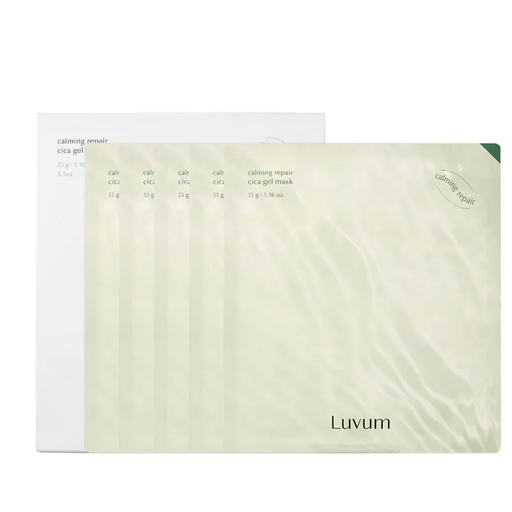
Why it suits this profile: A straightforward set of five gel masks with an application time of 15–20 minutes. The formula contains centella asiatica, hyaluronic acid and glycerine, making it suitable for a simple hydrating and soothing routine.
The product information states a clear wear time and recommends using it 2–3 times a week, so you do not leave the mask on unnecessarily long.
Five gel masks per box; centella asiatica, hyaluronic acid and glycerine are listed in the product description.
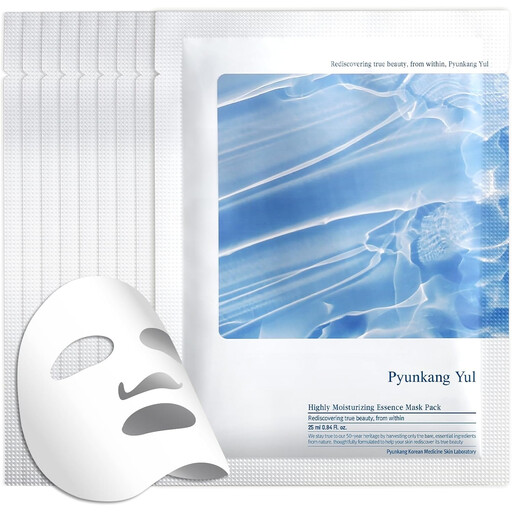
Why it suits this profile: For fans of Korean skincare looking for a sheet mask with a rich essence. The product description mentions five types of hyaluronic acid, ceramide NP and panthenol.
The ingredients are clearly described, so you do not have to rely solely on the term “Korean face mask”.
Sheet mask format; combination of hyaluronic acid, ceramide NP and panthenol according to the product information.
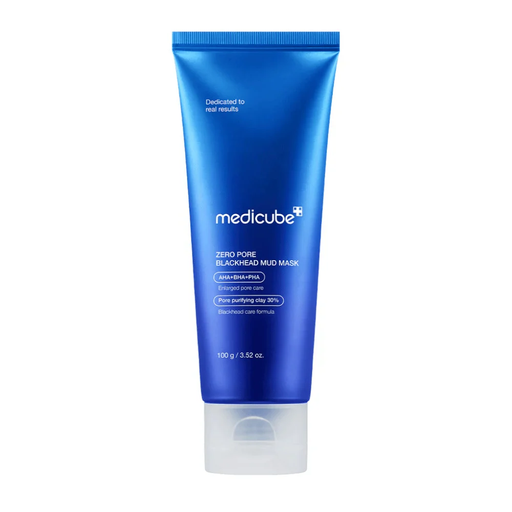
Why it suits this profile: Designed for anyone looking for a purifying face mask for the T-zone. The formula contains kaolin, bentonite, salicylic acid, glycolic acid and gluconolactone.
The application time is approximately three minutes. The product information recommends a patch test for sensitive skin and warns of possible irritation from acids and citrus oils.
Clay mask in a jar; contains kaolin and bentonite plus AHA, BHA and PHA according to the ingredients list.

Why it suits this profile: According to the product information, this hydrogel mask is designed to be worn for three to four hours during the day or overnight. It contains hyaluronic acid, panthenol and several ceramides.
The longer wear time is stated explicitly in the instructions. This means it is not a thin sheet mask that you may accidentally leave to dry out.
Four hydrogel masks per pack; ceramides, panthenol and different forms of hyaluronic acid are listed.
We have compiled a complete, up-to-date list of products that fully meet these strict selection criteria and the applicable European safety regulations.
Stop using the product if you experience a burning sensation, itching, swelling or clear irritation. Do not use a mask on damaged skin, and if you have known allergies, check the ingredients list first.
That depends on the type and formula. A hydrating face mask may be used several times a week in line with the product instructions. A clay mask or exfoliating mask is often limited to once or twice a week. Always follow the label and pay attention to how your skin reacts.
A hydrogel face mask can fit comfortably against the skin and provide a moisturising feel, but the texture alone does not determine whether it is suitable. Check for fragrance, essential oils, acids and known allergens. If in doubt, carry out a patch test on a small area of skin first.
A purifying face mask containing clay, charcoal or salicylic acid may help remove excess sebum and surface impurities. Results vary by skin type and are not permanent. Use this type of mask according to the instructions and avoid cleansing or scrubbing too often, as this can leave the skin feeling tight.
