
Vandaag of morgen in huis

Kwaliteit gegarandeerd

Welkomstaanbiedingen ontgrendelen: GRATIS bezorging | Tot 80% korting | Gratis 30 dagen JoyPlus-proefperiode
Download de app
A hydrogel face mask can be a handy addition to your skincare routine, especially when your skin feels dry, dull or tight. However, not every mask is the same. A thin sheet mask for ten minutes of use requires a different approach to a hydrogel mask that needs to be left on for several hours.
The biggest pitfall is focusing on eye-catching ingredients without checking the full product information. A name like “glow”, “collagen” or “deep hydration” on its own tells you little about the wear time, formulation or suitability for your skin.
A mask packed with extracts, peptides and different forms of hyaluronic acid sounds appealing. However, its effectiveness depends on the overall formula, concentration and how your skin reacts. So don't just look at the front of the packaging; also check the INCI list.
For a hydrating face mask, common humectants include glycerine, betaine, panthenol and sodium hyaluronate. Ceramides and cholesterol appear in formulas designed for dry skin. This doesn't automatically mean every product will have the same effect.
A hydrogel mask that turns transparent isn't always meant to be left on indefinitely. Some products are designed for 15 to 20 minutes, while others can be used for 2 to 4 hours or overnight. Always follow the instructions on the packaging.
A dried-out mask can feel uncomfortable and isn't suitable for every skin type. Particularly if you have sensitive skin, it's wise to stick to the recommended wear time first.
A face mask for sensitive skin may be fragrance-free or alcohol-free, but that doesn't rule out an individual reaction. Plant extracts, preservatives and fragrances can also be a concern for some users.
Therefore, check the ingredients, do a patch test on your arm if in doubt, and don't use a mask on damaged, irritated or infected skin.
A classic Korean sheet mask is usually made from cellulose, cotton or a similar sheet and is often used for 10 to 20 minutes. A hydrogel face mask typically adheres more closely and, according to the product information, can be left on for longer.
Look out for these differences:
Choose your mask based on your skin's needs:
According to brands' own research, certain products can improve hydration, elasticity or radiance. Such research results don't automatically apply to every user. So focus on verifiable information like ingredients, quantity, wear time and warnings.
Don't just compare the price per pack; also consider the number of masks:
Also check whether the packaging includes a batch number, expiry information and an EU responsible person. These are practical details for cosmetics sold in Europe.
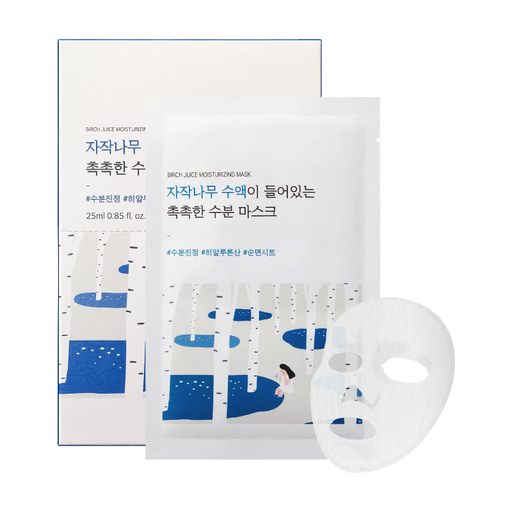
Why this fits the profile: The pack contains 10 individual sheet masks with a recommended wear time of 10 minutes. This makes it a straightforward choice for regular use.
The number of pieces and the wear time are clearly stated. So you don't have to guess how long a session lasts.
10 masks per pack; contains glycerine, birch sap and sodium hyaluronate according to the ingredients list.

Why this fits the profile: This hydrogel mask contains four 34 g masks and, according to the product information, is intended for prolonged use of 3 to 4 hours or overnight.
The longer wear time is clearly described. This prevents you from treating a short sheet mask and a deep mask in the same way.
Contains, among others, ceramides, panthenol and multiple forms of hyaluronic acid; four 34 g masks.
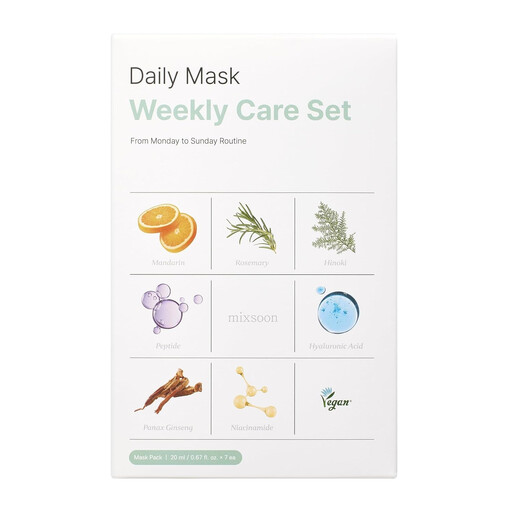
Why this fits the profile: This set contains 7 masks with different focuses, including calming, glow and moisture. You can choose a different type each day.
The ingredients and focus for each day are specified. However, note that the Thursday mask contains retinol and requires extra attention to sun protection.
7 individual masks; variety including centella, hyaluronic acid, alpha-arbutin and squalane.
We've put together a full, up-to-date list of products that fully meet these strict selection criteria and comply with current European safety regulations.
Use sunscreen during the day if the formula contains retinol. Stop if you experience a burning sensation, itching, swelling or noticeable redness. If symptoms persist, consult a doctor or dermatologist.
This varies by product. A classic sheet mask is often used for 10 to 20 minutes. Some hydrogel masks are intended for 2 to 4 hours or overnight. Always check the packaging and don't leave a mask on for longer than recommended.
It can be, but this isn't guaranteed. Choose a formula without fragrance if you're sensitive to it, check the INCI list and do a patch test beforehand. Don't use a mask on damaged or actively irritated skin.
A practical guideline is once or twice a week, unless the product information states a different frequency. A mild hydrating mask may be suitable for more frequent use by some users, but pay attention to how your skin reacts. With a set containing different formulas, you don't need to use each variant equally often.
