
Vandaag of morgen in huis

Kwaliteit gegarandeerd

Welkomstaanbiedingen ontgrendelen: GRATIS bezorging | Tot 80% korting | Gratis 30 dagen JoyPlus-proefperiode
Download de app
A hydrating face mask can be a lovely addition to your skincare routine, especially when your skin feels dry, tight or dehydrated. However, not every mask is automatically suitable. An eye-catching packet, terms like “glass skin” or a long ingredients list don’t tell you much about ease of use or fit.
The most common buying mistakes are usually easy to avoid:
For a face mask for dry skin, glycerin, betaine and hyaluronic acid are common humectants. Hyaluronic acid comes in different forms. According to the product description, a formula with multiple molecular sizes can target different layers of the skin, but this shouldn’t be confused with a medical effect.
If you mainly want to support your moisture barrier, look for ceramides, panthenol and soothing ingredients. A Centella Asiatica mask can be interesting when you’re after a calming treatment moment. According to the product description from some brands, Centella Asiatica is intended to support the skin barrier and moisture levels. That’s a brand claim, not a guarantee of a specific result.
With a collagen face mask, it’s wise to keep realistic expectations. Collagen in cosmetics mainly contributes to the nourishing formula and the temporary supple feel on the skin. An anti-ageing face mask can fit into a routine for a fuller or more radiant complexion, but it doesn’t replace medical treatment.
A sheet mask is usually made of fibre material soaked in essence. It’s lightweight, quick to apply and handy for a short treatment. Do check whether the cut-outs for your eyes, nose and mouth fit well. A poor fit can mean parts of your face barely come into contact with the essence.
A hydrogel face mask generally feels heavier and cooler. The material often adheres closely and, with some models, can be left on for longer. Products like Biodance and indicate that the mask becomes transparent as the essence is gradually absorbed. Always follow the instructions: not every hydrogel mask is suitable for overnight wear.
A single packet is handy if you want to try a product first. A box of four, five or ten masks can work out cheaper per use, but pay attention to the expiry information and storage conditions. Use an opened mask straight away and never reapply a used mask.
If you have sensitive skin, opt for a transparent ingredients list where possible. Carry out a patch test according to the brand’s instructions if needed. Stop using the product if you experience redness, itching, swelling or a burning sensation. Do not use a mask on damaged, irritated or sunburnt skin.
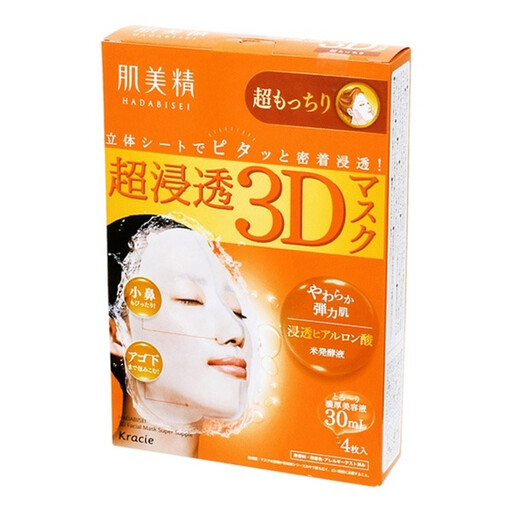
Why this fits the profile: The box contains four masks and the 3D shape is designed for a snug fit. This makes it a straightforward choice for anyone trying a hyaluronic acid mask for the first time.
The product information states both the contents of 30 ml per four pieces and a fixed usage routine. This means you can estimate the cost per mask and the wear time in advance.
3D sheet, hyaluronic acid, four pieces per box and clear warnings for sensitive or damaged skin, among others.
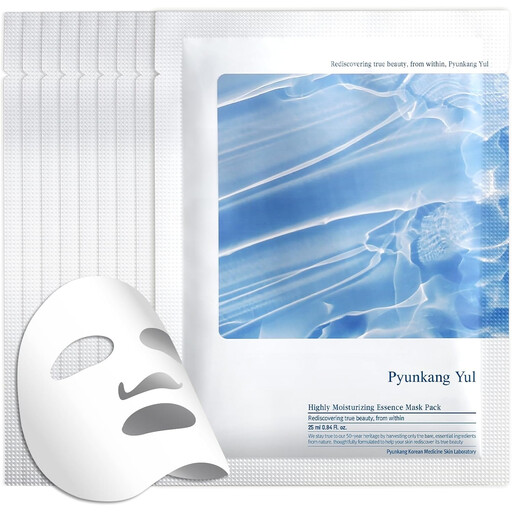
Why this fits the profile: According to the product description, this sheet mask contains five types of hyaluronic acid, ceramide NP and panthenol. It suits users looking for multiple moisture-focused ingredients in one treatment.
The selection isn’t based on one marketing term, but on the stated combination of humectants and ingredients that support moisture retention.
Sheet mask format, essence formula, ceramide NP, panthenol and five forms of hyaluronic acid according to the product information.

Why this fits the profile: This hydrogel face mask is designed for a longer treatment: according to the usage information, three to four hours during the day, until the mask becomes transparent.
The long wear time is clearly stated. This means it’s not a product for a quick session, but for users who can plan their routine around it.
Four hydrogel masks per pack, hyaluronic acid, panthenol and multiple ceramides according to the ingredients list.
We’ve put together a full, up-to-date list of products that fully meet these strict selection criteria and comply with current European safety regulations.
A Korean face mask routine doesn’t have to be complicated. Once or twice a week is a practical starting point for many users. If you have sensitive skin, you can start less frequently and first try a small amount or a patch test.
This varies by product. Many sheet masks are used for around 10 to 20 minutes. Hydrogel versions can sometimes be left on for two to four hours. Always follow the packaging and don’t let a standard sheet mask dry out on your face.
For most hydrating masks, once or twice a week is a practical rhythm. A gentle formula can be used more often according to the product instructions. Pay attention to how your skin reacts and don’t introduce too many new products at once.
It can be, but check the ingredients and warnings. A face mask for sensitive skin doesn’t automatically have a formula that suits everyone. Avoid using it on damaged skin and stop immediately if irritation occurs.
