
Vandaag of morgen in huis

Kwaliteit gegarandeerd

Welkomstaanbiedingen ontgrendelen: GRATIS bezorging | Tot 80% korting | Gratis 30 dagen JoyPlus-proefperiode
Download de app
Buying an espresso machine seems straightforward until you have to choose between a fully automatic coffee machine, a portafilter machine, a built-in coffee grinder and different milk-frothing systems. Marketing copy often focuses on pressure, the number of coffee recipes or smart features. In practice, ease of use, maintenance and the space available are what determine whether a machine remains enjoyable to use every day.
An espresso machine 15 bar or espresso machine 20 bar sounds powerful, but the figure usually refers to the pump’s maximum pressure. The actual pressure during extraction also depends on the portafilter, grind size, dose and flow rate. A higher bar rating is therefore no guarantee of better espresso on its own.
Instead, look at the combination of:
An espresso machine with milk frother can work automatically or have a steam wand. With a fully automatic cappuccino machine, you usually press a recipe button. A semi-automatic machine requires more steps, such as filling a milk jug, activating the steam and cleaning the system straight away.
So check:
A bean-to-cup coffee machine needs space to fill the water tank and bean hopper. Measure not only the width, but also the depth and the clearance above the machine. A model may fit technically, but still be awkward to use if you have to move it every time you fill the reservoir.
A fully automatic espresso machine grinds beans, doses the coffee and often prepares an espresso, cappuccino or latte macchiato at the touch of a button. This suits households that want to make several drinks quickly with minimal effort.
A semi-automatic espresso machine, also known as a portafilter machine, gives you more control. You grind the beans or use pre-ground coffee, fill the portafilter, tamp the coffee and froth the milk yourself. This takes practice, but makes it easier to adjust the preparation to your taste.
Also consider combination models. An espresso machine with built-in coffee grinder saves space and lets you grind fresh coffee. Models such as the Philips Barista Brew and Ninja Luxe Café combine grinding with manual preparation. However, check that the grind size can be adjusted finely enough for espresso, as well as more coarsely for other coffee styles.
For one person, a water tank of around 1.1 litres may be sufficient. A household with several coffee drinkers will find a capacity of 1.7 to 1.8 litres or more convenient. A large tank means less frequent refilling, but also makes the machine heavier when you remove it.
Many models have a bean capacity of around 250 to 275 grams. Two separate bean hoppers, as found on some Melitta and De’Longhi models, are useful when you want to switch between decaffeinated and regular beans. Different types of beans will otherwise become mixed together in one large hopper.
Limescale, coffee residue and milk residue affect both performance and lifespan. Before buying, check whether the brew group, drip tray and milk reservoir can be removed. An automatic cleaning or descaling alert is helpful, but does not eliminate the need for manual maintenance.
Use descaler and cleaning products according to the instructions. Product information from various brands recommends using their own approved products and advises against vinegar. Rinse the steam wand after every use with milk and clean it immediately. This prevents milk residue from drying on the wand.
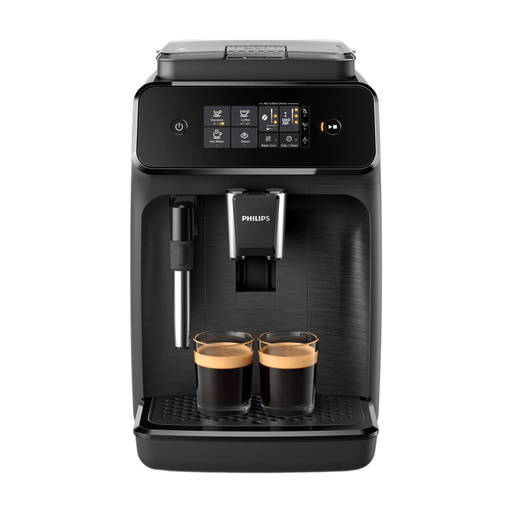
Why it suits this profile: This automatic coffee machine has a touchscreen, a 1.8-litre reservoir and a built-in ceramic grinder with 12 grind settings. The classic milk frother is suitable for anyone who makes a cappuccino or latte macchiato occasionally.
The key functions are kept straightforward. The removable brew group and parts that, according to the product information, are dishwasher-safe make regular maintenance easier.
1.8-litre water reservoir; 12 grind settings; adjustable coffee strength and volume; removable brew group.

Why it suits this profile: This fully automatic espresso machine is designed for households that regularly use different beans and make milk-based drinks. It has two interchangeable bean hoppers, automatic milk preparation and a hot-water function.
The two hoppers help prevent the beans from mixing. The milk reservoir is integrated, and the machine provides maintenance instructions during use.
Two interchangeable bean hoppers; automatic milk drinks; hot water for tea or an Americano; Bean Adapt function according to the product description.
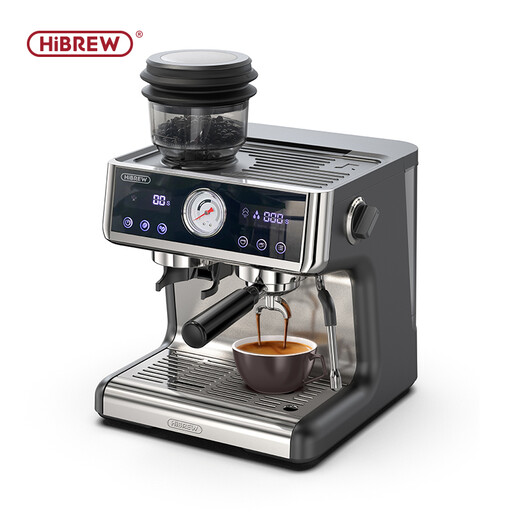
Why it suits this profile: The H7A is designed for users who want to grind, dose and froth their own milk. It combines a built-in grinder, 30 grind settings, a dual boiler and a 2.8-litre water reservoir.
The pressure rating is not considered in isolation: the LCD screen, adjustable grind size and dual-heating system give you greater control over espresso extraction and steaming.
20 bar nominal pump pressure; 30 grind settings; 2.8-litre water reservoir; espresso brewing and milk frothing possible simultaneously, according to the description.
In addition to the purchase price, you pay for coffee beans, water filters, descaler and cleaning tablets. A fully automatic machine may use more rinse water, while a portafilter machine requires extra time and possibly a separate grinder. Milk-based drinks also involve daily cleaning and, occasionally, replacing milk tubes or seals.
A model with a large reservoir is not automatically more economical. If you drink little coffee, water may sit for longer and need to be changed more frequently. Choose the capacity based on the number of cups you drink per day, rather than simply choosing the largest figure in the product description.
We have compiled a complete, up-to-date list of products that fully meet these strict selection criteria and the applicable European safety regulations.
Yes, if convenience matters more to you than manual control. Fill the water tank and bean hopper, choose a recipe and follow the cleaning alerts. For a household that makes lots of milk-based drinks, an automatic milk reservoir is practical, but it does require regular rinsing.
Its lifespan depends on usage, water hardness and maintenance. Regular descaling, cleaning the brew group and removing coffee residue can help limit wear. Before buying, also check the warranty terms and the availability of cleaning products and replacement parts.
That depends on your space and how you use it. A built-in coffee grinder saves you from needing a separate appliance and lets you grind fresh coffee. If you already have a good grinder or want maximum control over grind size and dosing, you may be better off choosing a separate grinder with a semi-automatic portafilter machine.
