
Vandaag of morgen in huis

Kwaliteit gegarandeerd

Welkomstaanbiedingen ontgrendelen: GRATIS bezorging | Tot 80% korting | Gratis 30 dagen JoyPlus-proefperiode
Download de app
A bean-to-cup espresso machine can grind coffee beans, brew coffee and sometimes froth milk at the touch of a button. However, the range can be difficult to compare. A coffee machine with lots of programmes won’t necessarily suit your kitchen, coffee routine or willingness to keep it clean.
Keep an eye out for these three common pitfalls:
An espresso machine with a bean grinder grinds the beans just before brewing, so you don’t need a separate grinder. Check:
A coffee machine with a built-in grinder is convenient for everyday use, but a larger hopper isn’t always essential. For one or two users, 250 grams may be plenty. If you often switch between different beans, look for an easily accessible hopper or a separate chute for pre-ground coffee.
An automatic cappuccino machine with a milk container can make milk-based drinks with minimal effort. Check the cleaning function and whether the container is removable. With some models, the milk container needs to be refrigerated and cleaned after use.
A manual steam wand takes a little practice, but gives you control over the amount of foam and the temperature. It’s a better fit if you like making your own cappuccino, latte macchiato or flat white. If convenience is your priority, consider a bean-to-cup machine with an automatic milk-rinsing function.
A water tank of around 1.5 to 1.8 litres is suitable for making several cups, but actual water use depends on rinsing programmes and milk-based drinks. Also check:
For reference, the De’Longhi Magnifica S ECAM20.110 has a 1.8-litre water tank, is 23.8 cm wide and weighs 9 kg. Its stated noise level is 71 dB. Details like these are more useful for comparing machines than general claims such as ‘quiet’ or ‘professional’.
A bean-to-cup coffee machine is a good fit for households that want to make espresso, coffee or cappuccino quickly. A semi-automatic machine with a portafilter gives you more control over the dose and milk texture, but involves more steps. A capsule machine is compact and easy to use, but you’re tied to a particular capsule system and its ongoing costs.
A capsule model can be practical in a small kitchen. According to its product details, the Nespresso CitiZ EN167.W has two programmable cup sizes, a 1-litre water tank and an automatic shut-off function. If you want freshly ground beans, a bean-to-cup machine makes more sense, especially if flavour and control matter more to you than minimising preparation time.
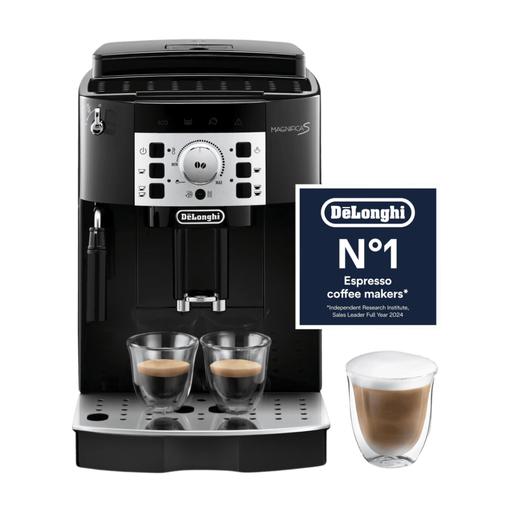
Why it suits this user: This bean-to-cup espresso machine is designed for everyday convenience without a milk container. You can use whole beans or pre-ground coffee, and make two espressos or coffees at once.
According to the product information, you can remove the brew group and rinse it under the tap. The manual steam wand also avoids the need to clean a complex automatic milk container.
1.8-litre water tank, adjustable grind settings, 15-bar pump pressure and a width of 23.8 cm.
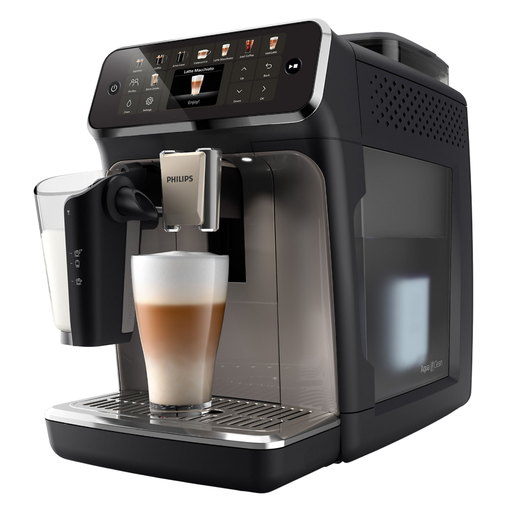
Why it suits this user: A good choice for households looking for plenty of variety, with black coffee, milk-based drinks and iced coffee recipes available at the touch of a button on the display.
According to the product description, the LatteGo milk system is removable and can be cleaned under the tap or in the dishwasher. Always check the manual to see which parts are dishwasher-safe.
20 coffee recipes according to the product information, two user profiles and a ceramic grinder with 12 grind settings.
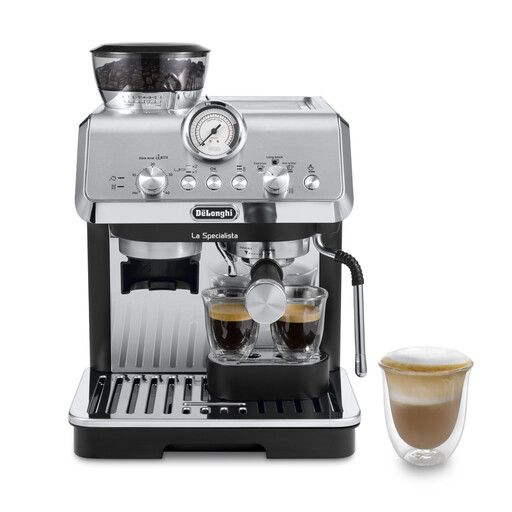
Why it suits this user: This semi-automatic espresso machine is designed for home baristas who want to grind, tamp and froth the milk themselves.
The eight grind settings and integrated tamper give you more control than a capsule machine. The manual steam wand makes the milk-frothing process visible and adjustable.
Integrated grinder, 15-bar pump pressure, dual thermoblock according to the product details and a 1.5-litre water tank.
We’ve put together a comprehensive, up-to-date list of products that meet these strict selection criteria and the applicable European safety regulations.
The cost of a coffee machine goes beyond the purchase price. Remember to factor in coffee beans or capsules, water filters, descaler and any cleaning tablets. A bean-to-cup machine generally produces less waste per cup than a capsule model, but it does need regular cleaning.
Use the machine according to the manual:
Consumer products sold within the European Union are covered by a legal guarantee of at least two years. Also check the terms and conditions set by the manufacturer and retailer.
Yes, if you mainly want to make espresso, coffee or milk-based drinks quickly. If several people will be using it, choose a model with a larger water tank and bean hopper. Also check that the parts are easy to remove, as daily use means daily rinsing and regular cleaning.
Its lifespan depends on how often it’s used, the water hardness, maintenance and the parts. Regular cleaning, descaling when needed and following the manual can help reduce wear and tear. It’s not possible to guarantee a specific number of years in advance.
That depends on the price of the beans, the amount of coffee used per cup, filters and cleaning products. Capsules can work out more expensive per cup, but they offer consistent portions and require little preparation. Compare the total running costs with the number of cups you make each day.
