
Vandaag of morgen in huis

Kwaliteit gegarandeerd

Welkomstaanbiedingen ontgrendelen: GRATIS bezorging | Tot 80% korting | Gratis 30 dagen JoyPlus-proefperiode
Download de app
Making a cappuccino or latte at home sounds simple: add milk, press a button and pour on the froth. But the wrong milk frother can quickly disappoint. It might not make enough froth, may not suit the number of cups you’re preparing or could be difficult to clean.
So don’t focus only on terms such as “barista-style” or “powerful motor”. Pay particular attention to capacity, how the milk is heated and how easy the appliance is to maintain. Read on to find out which features matter and which models suit different needs.
A milk frother might heat 300 ml of milk, for example, but froth only 150 ml. This difference matters because milk expands as it froths. Always check the heating capacity and frothing capacity separately.
A smaller capacity may be enough for one cappuccino. For two lattes or several servings of hot chocolate, a larger jug is more practical.
A higher wattage doesn’t automatically mean the milk will froth better. The wattage mainly tells you about the electrical input and potential heating speed. The whisk, temperature control and programme also affect the result.
An automatic milk frother with temperature control may be more convenient than a powerful model without clear settings. With a manual electric milk frother, you have more control over the motion and how much air gets incorporated into the milk.
Milk residue quickly sticks to a warm base or whisk. An appliance that needs to be taken apart and thoroughly cleaned after every use may be less practical than you expect. Look for a non-stick coating, a removable whisk or dishwasher-safe parts. Also check which parts must be kept out of water: the electrical base should generally not be submerged.
For a household with one coffee drinker, a frothing capacity of around 120 to 150 ml is often enough. A 200 to 300 ml model offers more room for a large latte or two smaller servings. A larger jug may be more convenient for guests or a family, but it will also take up more worktop space.
A motorised whisk is suitable for quickly frothing milk, making matcha or other light mixing tasks. An automatic appliance heats and stirs at the same time. If convenience is your priority, it lets you heat milk without using a saucepan.
Not every milk frother offers the same functions. Check whether you want to use the appliance for:
When it comes to claims about froth texture or suitability for plant-based milk, check the manual and product information. According to information provided by brands, some models may be suitable for this, but the result also depends on the type of milk, its temperature and the amount used.
A stainless steel jug is sturdy and usually easy to wipe clean. A non-stick coating can make cleaning easier, but don’t use a scouring pad or harsh cleaning products. Also look for:
Electrical appliances used in the Netherlands must be suitable for the local mains voltage and used safely in accordance with the manual. Don’t touch a hot jug, steam wand or heated base directly, and let the appliance cool before cleaning it.
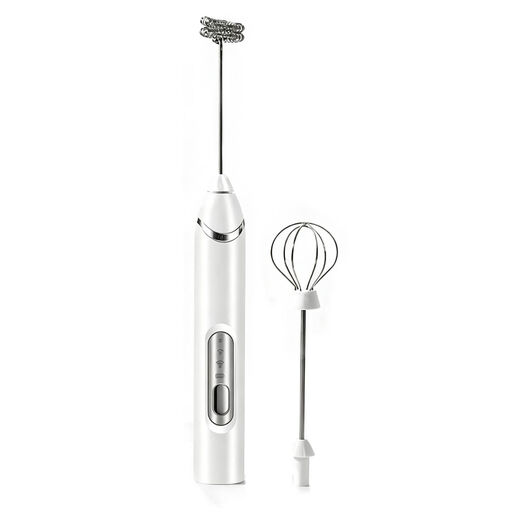
Why it suits this profile: This compact model is designed for anyone who occasionally makes a cappuccino, latte or matcha and has limited space. Its USB-C battery means you can use it without a mains cable.
The three speed settings give you more control than a single fixed setting. According to the product information, the two removable stainless steel heads can be rinsed under water.
1200 mAh battery, USB-C charging, three speeds and two mixing heads.
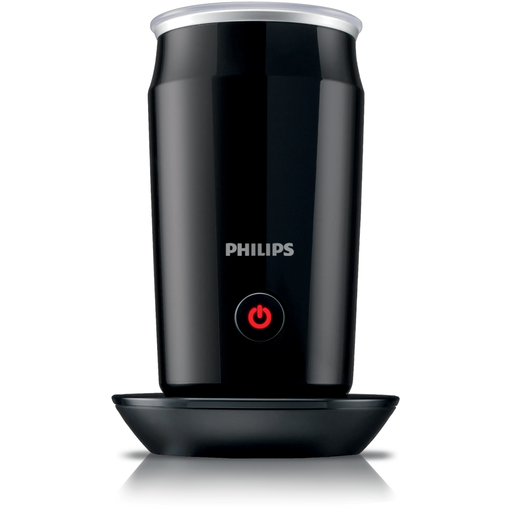
Why it suits this profile: With a frothing capacity of 120 ml, this compact jug is suitable for making two cappuccinos. One-button operation makes it easy to use every day, without lots of settings.
The product information lists a non-stick coating and automatic shut-off. The jug is not dishwasher-safe, so rinsing and wiping it down are still part of the cleaning routine.
Hot and cold froth, 360° base, 500 W and automatic shut-off.
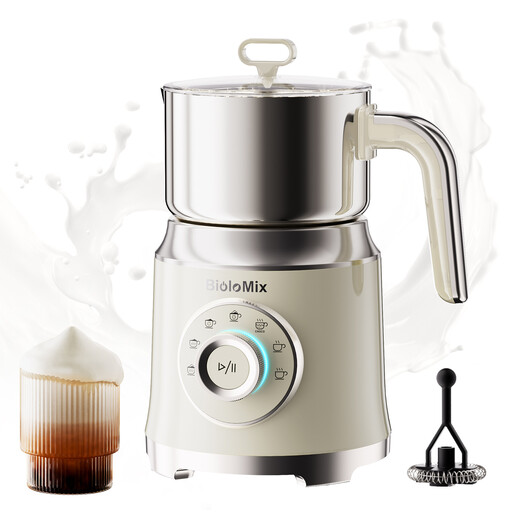
Why it suits this profile: With a removable 1.2-litre stainless steel jug, this model is designed for preparing several servings for families and guests, or for regular use.
The generous capacity means you won’t have to refill it for every cup. The removable jug makes cleaning more straightforward than with a fixed heating chamber.
1.2-litre capacity, 600 W heating, seven programmes and a magnetic whisk.
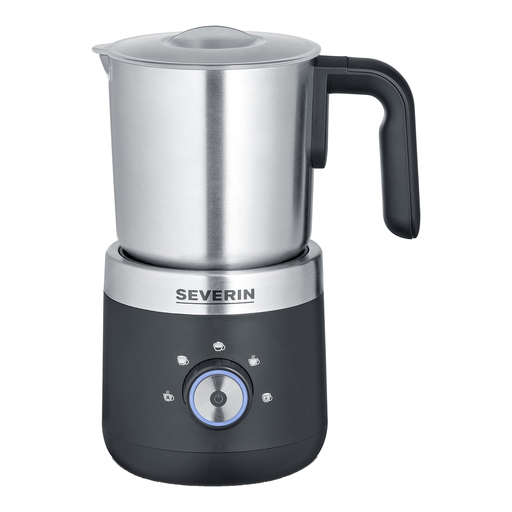
Why it suits this profile: This model combines hot and cold milk-frothing functions with a separate chocolate setting. It’s a good fit for households that make more than just cappuccinos.
The capacities are clearly differentiated: up to 150 ml for frothing and up to 300 ml for heating. According to the product information, the stainless steel jug is dishwasher-safe.
550 W, automatic shut-off, two quantity settings, and hot and cold froth.
We’ve put together a full, up-to-date list of products that meet these strict selection criteria and the applicable European safety regulations.
Fill the jug to the marked frothing or heating line. Never exceed the maximum line. Then select the hot setting for a cappuccino or the cold setting for iced coffee. Slowly pour the froth over the espresso. Clean the whisk and jug straight after use, before any milk residue dries.
It depends on the product and the drink. According to information provided by some brands, their appliances can also handle plant-based alternatives. However, oat, soya and almond drinks have different protein and fat content, so the amount of froth can vary. Check the manual and start with a small amount.
The main costs are electricity, milk and, if needed, cleaning or descaling products. A compact appliance with a short programme generally uses little electricity per serving. The exact cost depends on the wattage, programme duration and how often you use the appliance. To compare models, check the wattage and preparation time on the product page.
