
Vandaag of morgen in huis

Kwaliteit gegarandeerd

Welkomstaanbiedingen ontgrendelen: GRATIS bezorging | Tot 80% korting | Gratis 30 dagen JoyPlus-proefperiode
Download de app
Buying an espresso machine may seem straightforward, until you have to choose between a portafilter machine, bean-to-cup machine or coffee pod machine. Marketing copy often focuses on a high bar rating, numerous programmes or a “barista experience”. In practice, the controls, maintenance requirements and available space are the main factors determining whether a machine is right for you.
As a Joybuy Product Recommendation Officer, I therefore start by looking at verifiable specifications. This helps you avoid paying for features you are unlikely to use.
A 15-bar espresso machine or 20-bar espresso machine may sound powerful, but the figure usually refers to the pump’s maximum pressure. It does not automatically indicate the pressure at which water passes through the coffee during every extraction. The grind, amount of coffee, tamping pressure and water temperature also affect the result.
So do not compare the bar rating alone. Also check whether the machine has a pressure gauge, temperature control or adjustable grind settings.
A coffee machine with a milk frother can be convenient, but there is a difference between an automatic milk reservoir and a manual espresso machine with a steam wand. An automatic system requires less effort. A steam wand gives you greater control over the texture of the milk foam, but it takes practice and needs to be cleaned immediately after use.
Also pay attention to cleaning: milk residue can quickly build up in a tube, reservoir or steam nozzle.
A compact machine will not always fit beneath your kitchen cupboards when you need to refill the water tank. Check the height, width and depth, as well as how the tank and drip tray are removed.
A removable drip tray, water reservoir and brew group make regular maintenance easier. Descaling is still necessary, particularly in hard-water areas. Always follow the manufacturer’s instructions and the guidance in the manual.
A semi-automatic espresso machine uses a filter holder, also known as a portafilter. You use ground coffee or grind the beans yourself. You control the dose, grind and tamping pressure, among other things. This type suits home baristas who want to actively influence the preparation process.
An integrated grinder, as found on some models, saves space and allows you to grind beans fresh. However, check how many grind settings are available and whether the grind size needs to be adjusted while grinding, according to the manual.
A fully automatic espresso machine grinds beans, measures out the coffee and prepares an espresso or coffee at the press of a button. Models with a milk reservoir can also make cappuccino or latte macchiato.
This is practical for households where several people enjoy different types of coffee. Look at the capacity of the water reservoir and bean hopper, the cleaning programmes and whether you can adjust the strength, volume and grind size.
A coffee pod machine is usually quick and easy to use. You do not need to weigh or tamp the coffee. However, you are dependent on a capsule system and need to factor the recurring cost per cup into your budget.
A compact model is suitable for a small kitchen, student accommodation or office. Check in advance which capsules are compatible and how much water the reservoir holds.
When comparing an espresso machine for home use, consider the following:
The stated pressure ratings are useful as part of a comparison, but they are not proof of quality on their own. Claims about aroma, crema or “professional” extraction come from the brand’s or retailer’s product information. Treat them as product claims and compare them with the specific features.
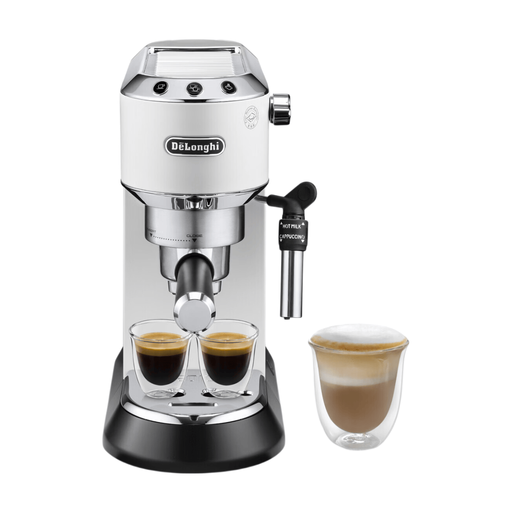
Why it suits this profile: This manual machine is 14.9 cm wide and works with ground coffee. It is therefore suitable for a small kitchen and for anyone who wants to learn how to prepare espresso and milk foam step by step.
As well as 15 bar, the specifications show the dimensions, the 1.1-litre water tank and the automatic switch-off. You can therefore assess more than just the pressure rating.
Steam wand, cup warmer, two cups at once and a removable water tank.
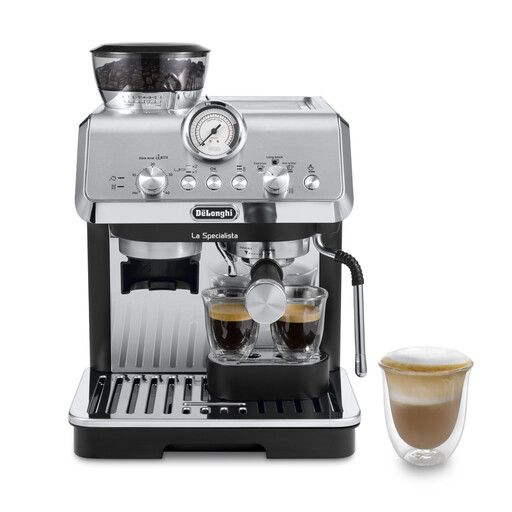
Why it suits this profile: The integrated bean grinder has eight grind settings. This gives users who want to fine-tune the grind and preparation themselves more direct control.
You get more than just a 15-bar pump: there is also a built-in grinder, temperature control and three pre-set recipes.
Integrated bean grinder, steam wand, 1.5-litre reservoir and support for espresso, americano and hot water.

Why it suits this profile: This fully automatic espresso machine has a 1.8-litre water reservoir, a 250-gram bean hopper and a milk reservoir for automatic milk drinks.
The choice is not based on 15 bar alone: the machine offers adjustable coffee strength and grind size, automatic cleaning of the milk system and a removable brew group.
Two espressos at once, five programmes and a removable milk reservoir.
We have put together a complete, up-to-date list of products that fully meet these strict selection criteria and the applicable European safety regulations.
Use fresh water, choose a suitable espresso grind and measure the dose according to the manual. With a portafilter machine, you need to tamp the coffee evenly. After that, change just one variable at a time, such as the grind size or amount. This makes it easier to see the effect of each setting.
Its lifespan depends on usage, water quality and maintenance. Empty the drip tray regularly, rinse the parts and descale the machine according to the alerts or manual. A machine used every day needs more consistent maintenance than one that is only switched on at weekends.
In addition to the purchase price, you pay for coffee beans, ground coffee or capsules, electricity, water filters and descaler. Capsules are convenient, but may work out more expensive per cup. With a bean-to-cup machine, you often have more flexibility when choosing coffee beans. Also take the number of cups you make each day into account when comparing costs.
