
Vandaag of morgen in huis

Kwaliteit gegarandeerd

Welkomstaanbiedingen ontgrendelen: GRATIS bezorging | Tot 80% korting | Gratis 30 dagen JoyPlus-proefperiode
Download de app
Choosing a new espresso machine might seem straightforward at first. But models vary considerably in how they work, how much maintenance they need, how they prepare milk and how much each cup costs. A compact capsule coffee machine works differently from a bean-to-cup coffee machine or a semi-automatic espresso machine with a portafilter.
Most buying regrets come down to three common pitfalls:
A bean-to-cup coffee machine usually grinds the coffee just before brewing. It’s a good choice if you want to adjust the flavour and grind size. A fully automatic coffee machine takes care of most of the grinding, dosing and brewing for you.
A semi-automatic espresso machine uses a portafilter. You dose and tamp the ground coffee yourself, then froth the milk with a steam wand. It takes some practice, but gives you more control over the brewing process.
A capsule coffee machine is usually quick and easy to use. However, you’re tied to a particular capsule system, and the cost per cup can add up. Check which capsules are compatible and how much water the reservoir holds.
A reservoir of around 1 litre may be enough for one person. In a household with several coffee drinkers, 1.8 litres is more practical, as you won’t need to refill it as often. A bean hopper holding 250 to 300 grams is handy for everyday use, but larger hoppers take up more space.
Don’t just measure the machine’s width. Check its depth, the clearance above it and the space needed to open the water reservoir. A compact espresso machine may fit on your worktop, but could be awkward to fill if there isn’t much room above it.
A coffee machine with a milk frother may have a traditional steam wand, a separate milk container or an automatic system. A steam wand is ideal if you want to learn how to make your own cappuccino, flat white or latte macchiato. An automatic system makes more sense if several people in your household want to make a milk-based drink at the touch of a button.
Consider how easy it is to clean after each use. Milk residue can build up quickly, so check whether the milk container is removable, whether the parts are dishwasher-safe and whether the machine has a rinsing programme.
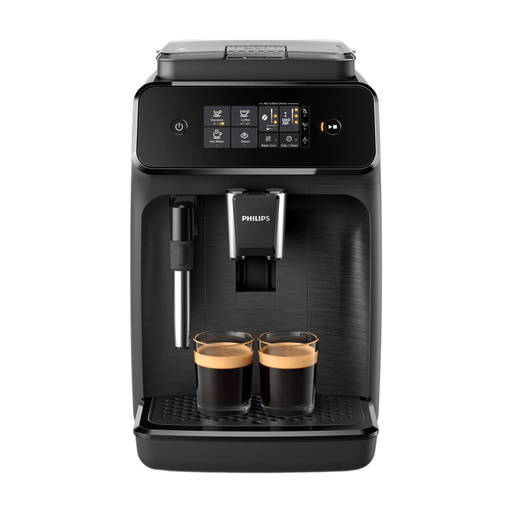
Why it suits this type of user: This fully automatic coffee machine uses whole beans, is easy to operate and has a classic milk frother for cappuccino or latte macchiato.
The specifications list 12 grind settings, a removable brew group and a 1.8-litre water reservoir. This means key maintenance and adjustment options are clear from the outset.
100% ceramic grinder, adjustable coffee strength and the option to make two cups at a time, according to the product information.
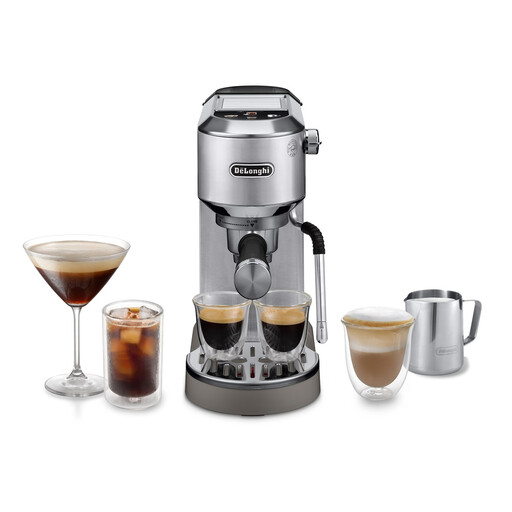
Why it suits this type of user: This semi-automatic espresso machine is designed for those who want to control the brewing process themselves and froth milk with a steam wand.
You aren’t reliant on pre-programmed milk drinks. Manual controls make it easier to adjust the amount of coffee and milk to suit your preferences.
15 bar pump pressure, a steam wand, a 1.1-litre water reservoir and room for two cups, according to the product specifications.
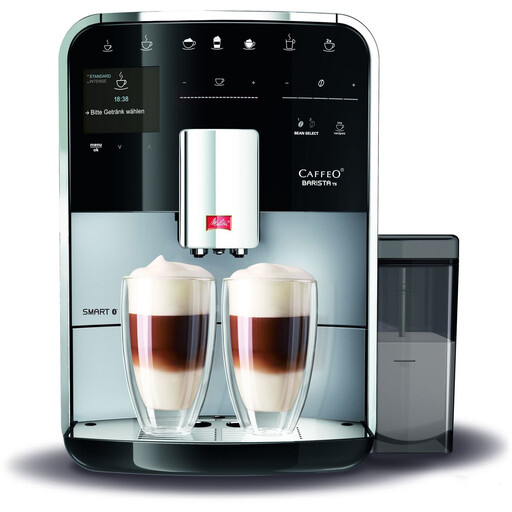
Why it suits this type of user: For households with several coffee drinkers, the two bean hoppers, large water reservoir and wide choice of coffee specialities are practical features.
The product information lists a dishwasher-safe milk container, an automatic cleaning and descaling system, and two bean hoppers.
1.8-litre water capacity, room for 270 grams of beans and the ability to prepare up to two coffee and milk drinks at once, according to the listed specifications.
We’ve put together a complete, up-to-date list of products that meet these strict selection criteria and current European safety regulations.
An espresso machine is only enjoyable to use if its upkeep fits into your routine. Rinse the milk frother after use and wipe the steam wand clean straight away. Empty the drip tray and coffee grounds container when the machine indicates they’re full. Use the descaling product recommended in the manual; vinegar isn’t suitable for every model.
With a bean-to-cup coffee machine, your main costs are coffee beans, water, cleaning products and, where needed, filters. Capsule machines can sometimes be affordable to buy, but capsules are an ongoing expense. So compare not only the price of the machine, but also the expected cost per cup.
It depends on your routine. Choose a fully automatic coffee machine if speed and one-touch operation are important to you. A semi-automatic model is a better fit if you want to dose and tamp the coffee and froth the milk yourself. For a small kitchen, a compact espresso machine or capsule machine may be more practical.
Its lifespan depends on how often you use it, your water hardness, maintenance and the parts it contains. Regular cleaning, descaling when needed and following the manual will help reduce wear and tear. Also check the statutory guarantee and the availability of consumables and accessories.
Energy consumption varies by model and how often you use it. A machine that stays hot for a long time uses more energy than one with automatic shut-off. If you make several cups a day, check the standby function, eco settings and warm-up time.
