
Vandaag of morgen in huis

Kwaliteit gegarandeerd

Welkomstaanbiedingen ontgrendelen: GRATIS bezorging | Tot 80% korting | Gratis 30 dagen JoyPlus-proefperiode
Download de app
Buying an espresso machine for your home sounds simple, until you have to choose between beans, capsules, a portafilter or an automatic milk system. Marketing copy often focuses on pump pressure, a wide range of coffee recipes and smart features. Yet it is the everyday operation, maintenance requirements and available space that determine whether a machine is right for you.
A pump pressure of 15, 19 or 20 bar sounds impressive, but a higher number does not automatically mean better espresso. With many machines, extraction is regulated within a useful pressure range while brewing. So, also consider the grind size, dose, temperature control and type of portafilter.
A cappuccino machine or latte macchiato machine can be convenient, but milk components require extra cleaning. A removable milk jug, automatic rinsing or a separate steam wand can make a real difference in daily use. Always check which parts must be cleaned by hand and which are dishwasher-safe according to the product description.
A coffee machine for your home is often placed beneath kitchen cupboards. So do not just measure the width, but also the height when you need to fill the bean hopper or water tank. A 1.8-litre water tank and a 250-gram bean hopper are practical for several users, but they take up more space than a compact coffee capsule machine.
If you use different coffee beans, having several grind settings is useful. According to the product information, the Philips 1200 Series EP1220/00 has a ceramic grinder with 12 grind settings. The De’Longhi Magnifica Evo has a conical grinder with 13 grind settings. The Krups Precision XP801T lists 30 grind settings.
More settings mainly give you greater flexibility. They do not guarantee a particular flavour. The right setting depends on the bean, roast, dose and brewing time.
Pay attention to the capacity of the water tank, whether a water filter is included and how descaling is carried out. A removable brew group is practical if you want to rinse it regularly under the tap. For milk drinks, an automatic cleaning function is convenient, but always check the manual for the complete cleaning procedure.
An espresso machine uses hot water and steam. Place the appliance on a stable surface, keep children away and do not touch the steam wand or outlet immediately after use. Most of the models mentioned come with a statutory warranty of at least two years under EU consumer rules; additional terms may vary by brand and product.

Why it suits this profile: This fully automatic espresso machine uses beans, has adjustable coffee strength and a classic milk frother. It offers a straightforward starting point without capsules.
The removable brew group and dishwasher-safe parts make regular maintenance more straightforward than with a complex milk system.
1.8-litre water tank, ceramic grinder with 12 grind settings and touch-panel controls.
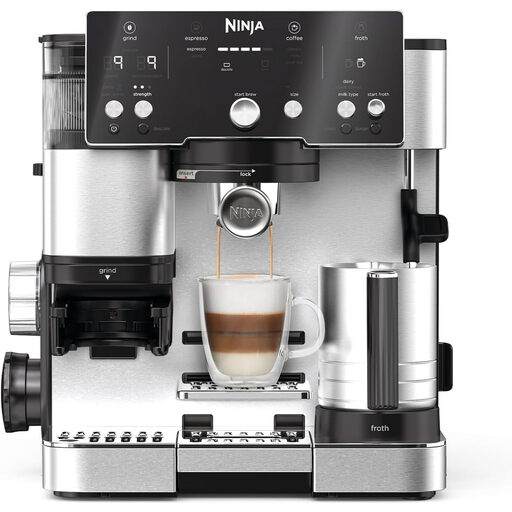
Why it suits this profile: For home baristas who want to switch between espresso, filter coffee, hot drinks and cold preparations. The machine combines an integrated grinder with manual adjustment options.
The product information lists 25 grind settings, an integrated scale and automatic rinse cycles for the steam wand. However, check the complete cleaning instructions.
2-litre water tank, two frothing settings and both espresso and filter coffee preparation.
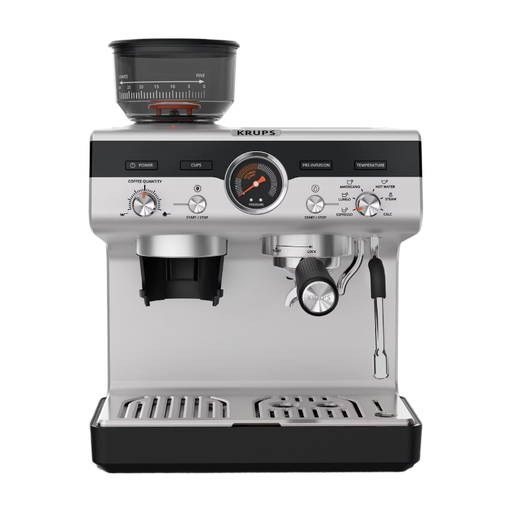
Why it suits this profile: This piston machine is designed for users who want to grind, dose, tamp and froth milk themselves. It takes more time, but also gives you greater manual control.
The machine combines an integrated grinder with 30 grind settings, so you do not need to buy a separate grinder straight away. Manual cleaning is still required.
250-gram bean hopper, 3-litre water tank, steam wand and the ability to prepare two cups at once, according to the product specifications.
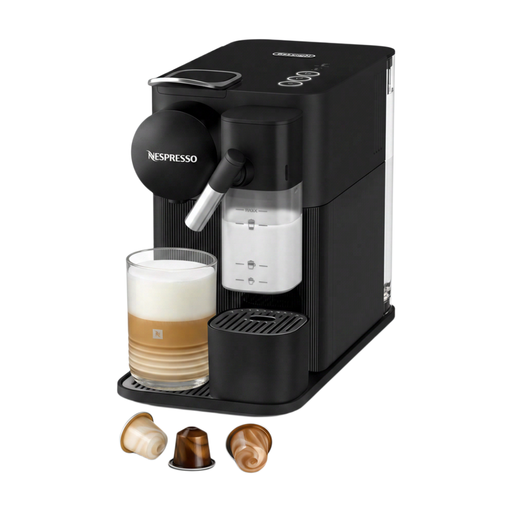
Why it suits this profile: This coffee capsule machine is suitable for anyone who wants to make espresso, cappuccino or latte macchiato with minimal effort and has limited space.
The milk jug is removable and dishwasher-safe according to the product information. However, bear in mind the ongoing costs and waste generated by capsules.
Compact size, 1-litre water tank, automatic water dosing and 9 programmes according to the product specifications.
We have put together a complete, up-to-date list of products that fully meet these strict selection criteria and the applicable European safety regulations.
Yes, if you mainly want to prepare coffee, espresso or milk drinks quickly. Pay attention to the capacity of the water tank and bean hopper, and schedule regular rinsing, emptying and descaling. With intensive use, an easily accessible brew group or automatic cleaning function is practical.
That depends on the system. With beans, you mainly pay for coffee beans and maintenance products. With capsules, the capsule cost is incurred for every cup. A piston machine can offer flexibility in the long term, but you may need additional accessories, such as a separate tamper or milk jug. So do not just compare the purchase price; also consider the expected number of cups and maintenance costs.
Its lifespan depends on usage, water hardness and maintenance. Follow the descaling alerts, clean milk components immediately after use and only use the parts and products specified in the manual. Also check the warranty terms and the availability of servicing and spare parts before ordering.
