
Vandaag of morgen in huis

Kwaliteit gegarandeerd

Welkomstaanbiedingen ontgrendelen: GRATIS bezorging | Tot 80% korting | Gratis 30 dagen JoyPlus-proefperiode
Download de app
A capsule machine makes coffee quick and easy, but choosing the wrong pack can work out unnecessarily expensive. The main pitfall is not just the flavour. A capsule may not fit, a cappuccino may contain more sugar than expected, or a multipack may offer less value than a smaller box.
With this practical guide, you can compare coffee capsules based on machine compatibility, coffee type, intensity, ingredients and price per cup. This helps you make a more informed choice when buying coffee capsules for everyday use at home.
Nespresso capsules and Dolce Gusto capsules use different systems. A capsule for a Nespresso Original machine is not automatically suitable for a Dolce Gusto machine. So first check which system your machine uses. With Nespresso, also pay attention to the difference between the Original system and Vertuo.
A product description may include terms such as “compatible with Nespresso”. This generally means that the capsule is designed for a particular Nespresso system, but always check your machine’s model and the information on the packaging before buying.
High intensity is often associated with strong coffee, but it does not tell you exactly what the coffee will taste like. For example, a dark roast may create a more powerful, bitter or lingering profile. Arabica is often described as having fruity or smooth notes, while Robusta may contribute a spicier character and more body, according to product information.
So, as well as intensity, look at:
Cappuccino capsules and latte varieties often contain milk powder, sugar and sometimes flavourings. Compare the ingredients and nutritional values per 100 grams or per prepared serving. Some Dolce Gusto products consist of a coffee capsule and a milk component; others contain coffee, milk powder and sugar together in a single capsule.
If you drink black coffee, a cappuccino pack may mean paying for ingredients you will not use. For milk-based drinks, it is especially useful to check whether they contain milk or soya.
First choose between:
Do not use a capsule if its shape or system does not match your machine. This could cause leakage, poor flow or a capsule that is not pierced properly.
An espresso is usually prepared with a smaller volume than a lungo. Check whether the packaging states a recommended quantity. For example, Douwe Egberts Lungo Intense is described as a lungo of approximately 110 ml, while Starbucks Smooth Caramel is suitable for both a 40 ml espresso and a 110 ml lungo, according to the product information.
For a larger black coffee, a lungo or Grande capsule may be more practical. A lungo capsule is not necessarily stronger than an espresso capsule; the main difference lies in the amount of water and the brewing method.
Do not compare only the price of the box. Divide the price by the number of capsules to calculate the price per serving. With cappuccino capsules, also check the number of complete servings. A pack containing milk and coffee capsules may be counted differently from a box containing coffee capsules only.
A multipack is particularly practical when several people in the household drink the same coffee. When trying a new flavour, a pack of 10 or 16 is often a sensible choice.
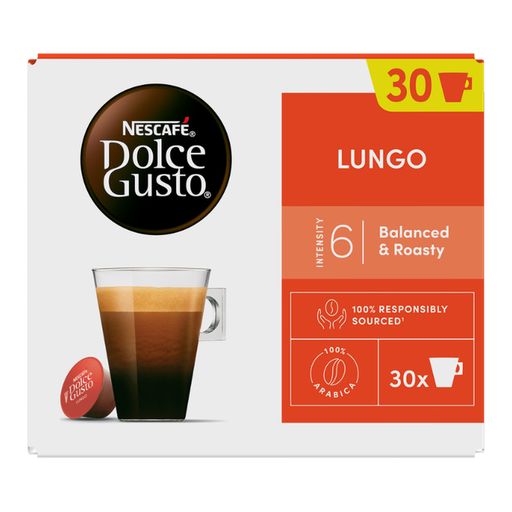
Why it suits this profile: The pack contains 30 capsules for a Dolce Gusto machine and is designed for a longer black coffee. This makes it easy to compare the price per cup.
The product information clearly states the Dolce Gusto system, the quantity of 30 capsules and a recommended serving size of 120 ml.
100% Arabica according to the product description, 30 servings and a lungo format for everyday use.
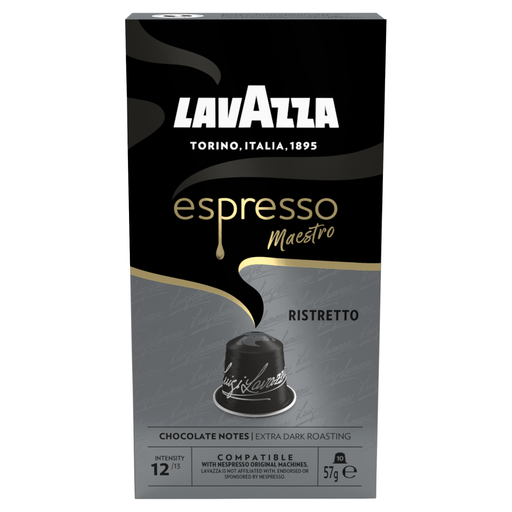
Why it suits this profile: These Nespresso capsules are designed for a short, intense espresso and are ideal for those who value tasting notes over a large cup.
The product description mentions Arabica and Robusta, chocolate and caramel notes, and an intensity of 12/13. However, check that your machine uses the Nespresso system.
Small pack of 10, suitable for espresso and free from milk ingredients according to the ingredient information.
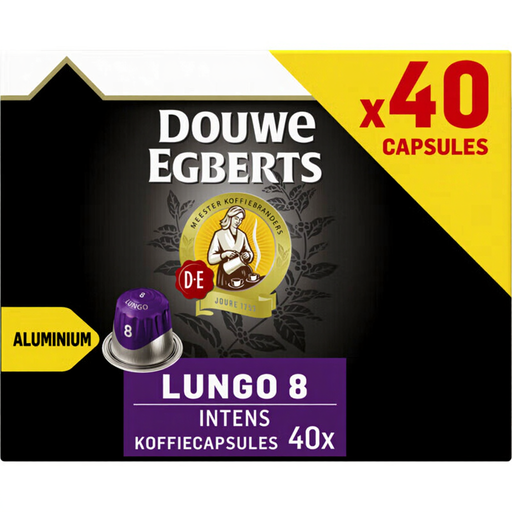
Why it suits this profile: The multipack is suitable for households where several lungos or espressos are made every day.
The product information states Original compatibility, a 110 ml lungo format and intensity 8 on a scale from 1 to 12.
40 capsules, a dark roast and an Arabica-Robusta blend according to the product description.
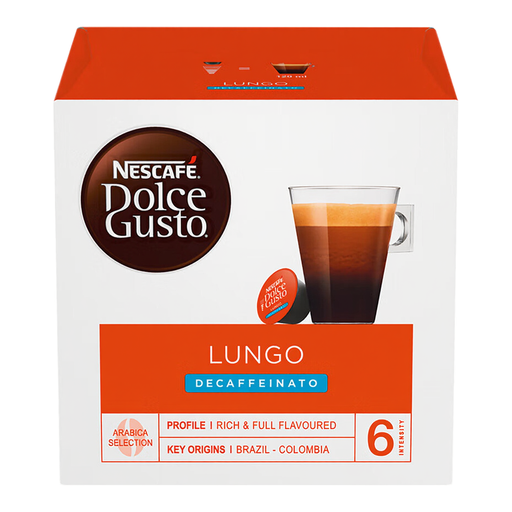
Why it suits this profile: These capsules are designed for Dolce Gusto machines and are marketed as caffeine-free according to the product description.
The product page explicitly states “Decaffeinato” and 16 servings. Check the current packaging and caffeine information when buying.
Lungo format, individually sealed capsules and none of the 14 major EU allergens according to the product information.
We have compiled a complete, up-to-date list of products that fully meet these strict selection criteria and the applicable European safety regulations.
Store coffee capsules in a cool, dry place, away from direct sunlight and heat and moisture. Seal opened packaging securely. Do not use a capsule if the packaging is damaged. The best-before date and specific preparation instructions are shown on the product packaging.
The shelf life of the capsule itself is not the main consideration: coffee mainly loses its aroma when the packaging is left open for a long time. So only buy a multipack if it matches your level of consumption.
No. Check whether your machine uses the Original system or another capsule system, such as Vertuo. Also check the compatibility information provided by the brand and for the capsule.
The best-before date is shown on the packaging. Unopened capsules are generally better protected from air and moisture. Once opened, it is advisable to seal the packaging securely and use the capsules within a suitable period.
That depends on the brand, pack size and consumption. Calculate the price per capsule and compare it with the price per serving of ground coffee. With cappuccino capsules, you should also take into account the number of milk and coffee capsules needed for each serving.
