
Vandaag of morgen in huis

Kwaliteit gegarandeerd

Welkomstaanbiedingen ontgrendelen: GRATIS bezorging | Tot 80% korting | Gratis 30 dagen JoyPlus-proefperiode
Download de app
Dry skin can feel tight, rough or flaky. But not every moisturiser is suitable for every skin type. A rich cream for dry feet, for example, may feel too heavy on your face, while a lightweight facial moisturiser may not provide enough comfort for cracked skin.
Marketing claims don’t always make choosing easier. Instead, focus on the ingredients list, intended use and directions. This can help you avoid paying for packaging or promises that don’t suit your daily skincare routine.
A formula can attract moisture with ingredients such as glycerine, hyaluronic acid or trehalose. But that doesn’t necessarily mean the cream will keep dry skin comfortable for long. Dry skin often also needs emollient and protective ingredients, such as oils, shea butter, squalane, silicones or fatty alcohols.
Products with natural ingredients may contain essential oils or fragrance allergens. Always check the full ingredients list. If you have sensitive skin, a fragrance-free formula or one with fewer ingredients may be more practical than a product with lots of fragrance, even if it’s marketed as natural skincare.
An intensive nourishing cream can feel good on your elbows, hands or dry feet, but may feel heavy on oilier or blemish-prone facial skin. Check the stated intended use. For cracked feet, a dedicated foot balm for dry feet is often a better choice than a standard facial moisturiser.
When choosing a cream for dry skin, look out for:
A cream with ceramides or a barrier-repair cream may be particularly worth considering if your skin feels dry and tight. Still, check whether it contains fragrance, essential oils or other ingredients you’re sensitive to.
A balm or rich ointment usually stays on the skin for longer. This can be useful overnight, or for dry hands, elbows and feet. A lotion or gel cream usually absorbs more quickly and may be better for daytime use or under make-up.
Also consider the size. A 50 ml pack is handy for your face, while 100 to 125 ml is often better value for regular use on your hands, body or feet.
Claims such as “48-hour hydration”, “non-comedogenic”, “suitable for sensitive skin” or “100% natural” come from the brand’s product information. Don’t treat them as a guarantee of your own experience. According to the manufacturer’s own information, PANTO Hydro Boost, for example, claims to provide hydration for up to 48 hours. ANUA’s product information states that its formula is non-comedogenic and clinically tested for sensitive skin.
Check the packaging for the expiry date, period after opening and any warnings. If you’re unsure, test a new product on a small area of skin first. Stop using it if irritation persists, and ask a doctor or dermatologist for advice if you have severe or recurring skin problems.
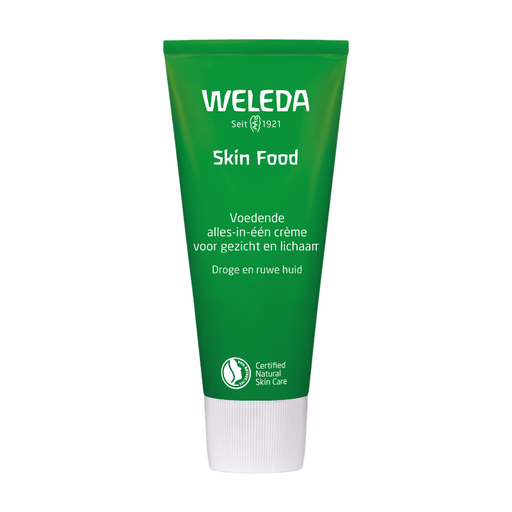
Why it suits this profile: This 75 ml cream is intended for the face and body, making it a versatile nourishing option for dry patches, hands, elbows and feet.
Its intended use is clearly stated. The rich texture makes it less likely that you’ll buy a lightweight facial cream for very dry areas of the body.
According to the product information, the formula contains 100% natural ingredients and extracts including chamomile, calendula and wild pansy. The product comes in a 75 ml pack.
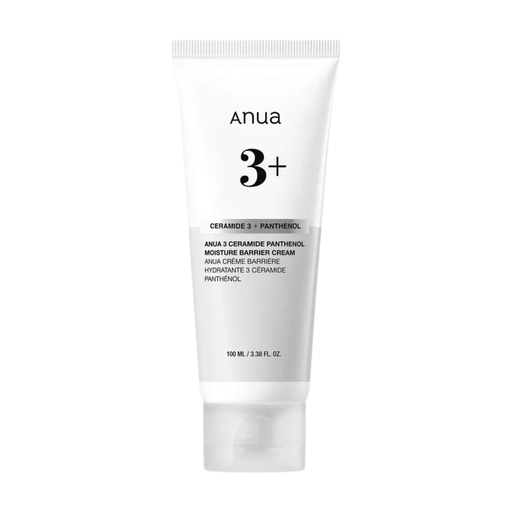
Why it suits this profile: This facial cream may appeal if you’re looking for a formula with panthenol, several ceramides and ingredients that help keep skin feeling comfortable.
The ingredients list is detailed and easy to check. You can see whether ceramide NP, ceramide AP, ceramide EOP and panthenol suit your routine.
The pack contains 100 ml. According to the product information, the formula is non-comedogenic and intended for daily use in the morning and evening.
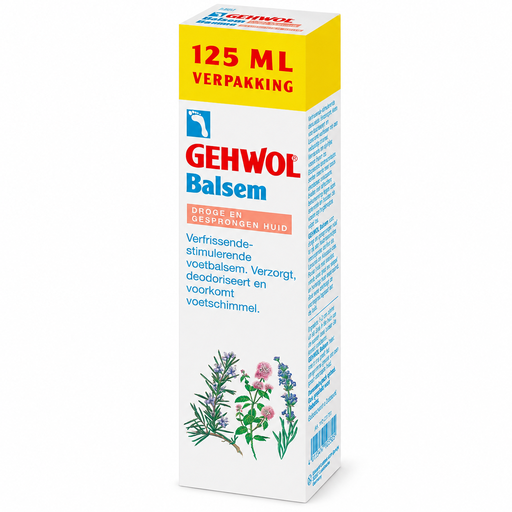
Why it suits this profile: This foot balm for dry feet is designed for the daily care of dry, rough and cracked feet. The 125 ml tube is suitable for regular use.
The formula is developed specifically for feet. That means you don’t have to use a facial cream on areas where a richer foot balm may be more practical.
According to the product information, the balm contains lanolin, avocado oil and menthol. It is a Class I medical device; do not use it on damaged or infected skin.
Other options include Rilastil MULTIREPAIR Hydro-Repairing Cream, which contains ingredients such as glycerine, hyaluronic acid and ceramides; PANTO Hydro Boost, with trehalose and sodium hyaluronate; and MADARA SOS Hydra Recharge Cream for dry or dehydrated facial skin. Check the current ingredients list and product information on each product page.
We’ve put together a complete, up-to-date list of products that meet these strict selection criteria and the applicable European safety requirements.
It depends on the formula and the directions on the packaging. A moisturiser is often used once or twice a day, preferably after cleansing. If you have dry skin, apply a thin layer and only use more if it feels comfortable.
Look for a cream for sensitive skin with a clear ingredients list, and check for fragrance, essential oils and known allergens. A product may be described by the manufacturer as suitable for sensitive skin, but individual reactions are still possible. Test a small amount first.
Only if the product information lists both uses and the texture feels comfortable. For dry, rough or cracked feet, a dedicated foot balm is usually more targeted. Don’t use a product on open or infected skin if the packaging advises against it.
