
Vandaag of morgen in huis

Kwaliteit gegarandeerd

Welkomstaanbiedingen ontgrendelen: GRATIS bezorging | Tot 80% korting | Gratis 30 dagen JoyPlus-proefperiode
Download de app
Buying a body cream for dry skin sounds simple enough – until you have to choose between body lotion, body butter, urea cream and a fragranced product. A rich texture feels lovely, but can take too long to absorb. A light lotion spreads quickly, but may not be enough for very rough patches. And a claim like “72-hour hydration” doesn’t automatically tell you how the product will work with your skin and daily routine.
So pay particular attention to three common pitfalls:
A body cream for dry skin often contains both humectants and skin-nourishing emollients. Humectants, such as glycerine and urea, help attract and retain moisture. Oils, butters, waxes and occlusive ingredients like petrolatum or mineral oil can help reduce moisture loss at the skin’s surface.
For dry or rough skin, a combination can make more sense than a product that only highlights one popular ingredient. If you’re looking for a cream for very dry skin, you might look for:
How well it works varies from formula to formula and person to person. So treat product claims as information, not a firm promise.
A body lotion for dry skin is usually thinner and spreads quickly. That suits daily use after a shower, especially if you want to get dressed quickly. A body cream or body butter for dry skin is generally richer and can feel better on elbows, knees, shins and heels.
A practical routine:
With a cream for cracked skin, extra care is needed. Do not apply cosmetic products to open, infected or severely irritated areas without checking first. If symptoms persist, or if there is pain or bleeding, it’s wiser to seek advice from a doctor or pharmacist.
A scent can be pleasant, but fragranced products sometimes contain fragrance allergens. The ingredients list may include perfume, limonene, linalool, geraniol or citronellol. If you have sensitive skin, always check the packaging and test a small amount on a limited area of skin.
Also note the intended use. A foot balm, face cream or lip balm is not automatically a suitable body care product for dry skin. The recommendations below are therefore linked to a specific user profile.
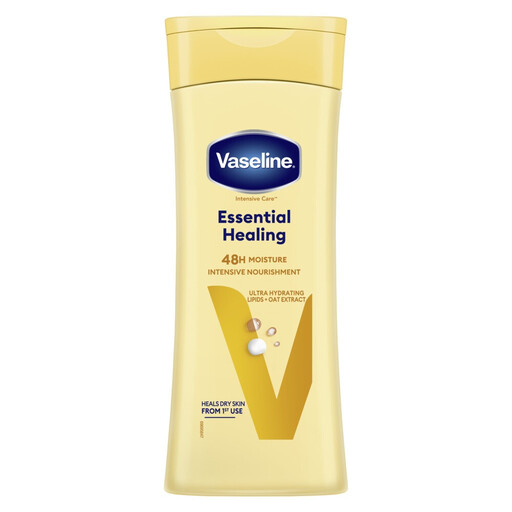
Why this suits the profile: The 400 ml bottle is practical for daily use on larger body areas. The lotion is designed for dry skin and, according to the product description, has a fast-absorbing texture.
The combination of glycerine, petrolatum, dimethicone and oat extract is clearly listed in the ingredients. Do check the stated fragrance allergens if you prefer to avoid perfume.
400 ml content; lotion texture; according to the product information, dermatologically tested.
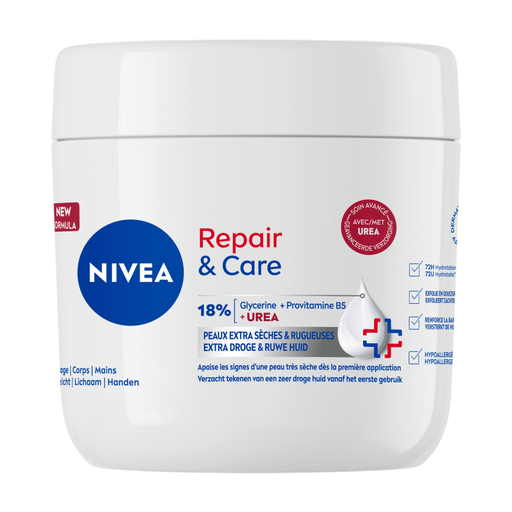
Why this suits the profile: This 400 ml cream is aimed at very dry and rough skin. The product description lists glycerine, provitamin B5 and urea as key ingredients.
The formula isn’t based on urea alone: glycerine and panthenol are also listed. The product description mentions 18% glycerine; check the actual packaging when you receive it.
Urea and glycerine; 400 ml packaging; product description states dermatologically approved skin tolerance.
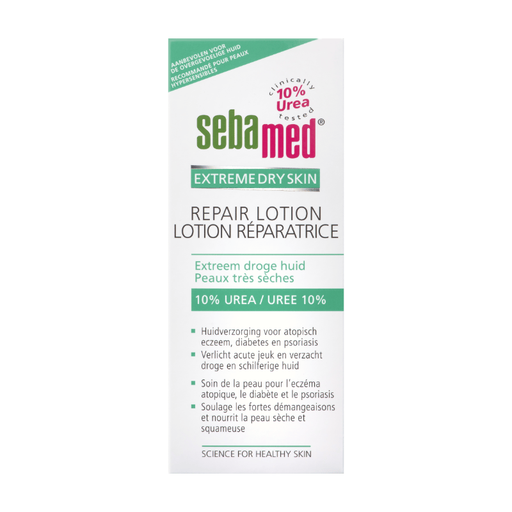
Why this suits the profile: The 200 ml lotion is designed for dry body areas and can be applied precisely where extra care is needed.
The 10% urea content is stated in the product name, so you don’t have to guess based on vague terms like “extra nourishing”. The formula also contains almond oil and glycerine.
10% urea; 200 ml content; usage instructions for dry and itchy body areas.
We’ve put together a full, up-to-date list of products that fully meet these strict selection criteria and comply with current European safety regulations.
A lotion is thinner and usually absorbs more quickly. A cream or body butter feels richer and often suits very dry areas better, such as knees, elbows and heels. You can combine both textures: lotion for daily use and a richer cream for targeted care.
That depends on how your skin feels and the product instructions. Applying daily after a shower is a practical starting point. If your skin feels rough or tight, you can reapply to specific areas. Stop if irritation occurs and check the warnings on the packaging.
Urea is widely used in products for dry and rough skin. The stated percentage is important: a product with 10% urea differs in formula from a cream that only lists “urea” without a percentage. Also check the fragrance, other ingredients and the recommended use before you buy.
