
Vandaag of morgen in huis

Kwaliteit gegarandeerd

Welkomstaanbiedingen ontgrendelen: GRATIS bezorging | Tot 80% korting | Gratis 30 dagen JoyPlus-proefperiode
Download de app
Dry feet, hard skin, cracked heels and sweaty feet do not all require the same foot cream. Yet packaging often features broad promises such as “complete care”, “immediate results” or “refreshing effect”. This can make it difficult to compare products objectively.
Pay particular attention to the ingredients, directions for use and warnings. For example, a rich cracked heel cream is better suited to dry, cracked skin than a lightweight cooling foot cream. If you do a lot of walking, you may benefit more from a formula that, according to the product information, is designed to help with friction and blisters.
A universal foot balm can be useful for daily maintenance, but it is not automatically suitable for every skin concern. A cream containing menthol or eucalyptus mainly provides a fresh sensation. That does not necessarily mean it offers intensive skin care. Check whether the ingredients list also includes moisturising ingredients such as glycerine, urea or panthenol.
Claims such as “results within one day” come from a brand’s product description and are not a guarantee for every user. According to Lucovitaal’s product information, the Heel Cream is intended for extremely dry and cracked skin. The actual experience depends, among other things, on the severity of the dryness, how often the cream is applied and the condition of the skin.
Menthol, camphor, peppermint oil and essential oils can provide a cooling or refreshing sensation. On sensitive skin, perfume, alcohol or certain preservatives may be less comfortable. Always check the full ingredients list and test a new product on a small area of skin first. Do not apply foot cream to open, infected or severely irritated skin.
A 75 ml tube is practical for a handbag, gym bag or holiday. A 125 or 300 ml pack makes more sense if you apply cream to both feet every day. Also check the recommended usage: some products are intended for once-daily use, while a hard-skin cream, for example, may be applied twice daily according to the product information.
Wash and dry your feet thoroughly first. Massage the cream in gently, but take care between the toes if the formula is not specifically intended for that area. Applying too thick a layer can make socks and shoes feel sticky. For a product designed for walking or running, you may need to allow the cream to absorb fully before putting on your socks.
Check whether a product has a CE marking, warnings and clear manufacturer details. A CE marking is not a quality ranking; it indicates that the manufacturer has assessed the product in accordance with the applicable rules.
Take extra care when choosing foot cream for people with diabetes. Some product descriptions state that a product is suitable for people with diabetes, but this is not a substitute for personal advice from a doctor or podiatrist. Check your feet regularly for wounds and stop using the product if persistent redness, itching or irritation occurs. Do not use cream on damaged or infected skin without professional advice.

Why it suits this profile: The large pack is practical for daily foot care. According to the product information, the cream is intended for dry skin, hard skin, cracks and cracked heels.
The product description mentions both moisturising care and eucalyptus and orange for a fresh sensation. Check the ingredients if you have sensitive skin; alcohol and perfume allergens are among those listed.
300 ml capacity; daily use on clean, dry feet; glycerine and lanolin are included in the ingredients list.
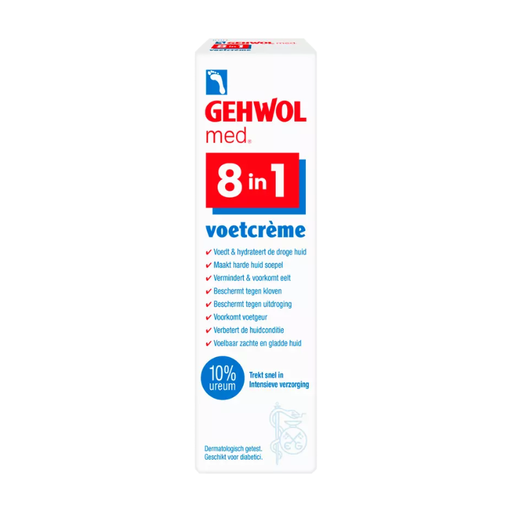
Why it suits this profile: If you are looking for one product for daily care, dry skin, hard skin and friction, this formula offers a broad range of ingredients, including urea, glycerine, avocado oil and allantoin.
The manufacturer describes it as supportive skin care, not as a treatment for deep or infected wounds. This makes the product’s usage limits clear.
Class I medical device according to the product information; declared suitable for people with diabetes; daily application across the whole foot.
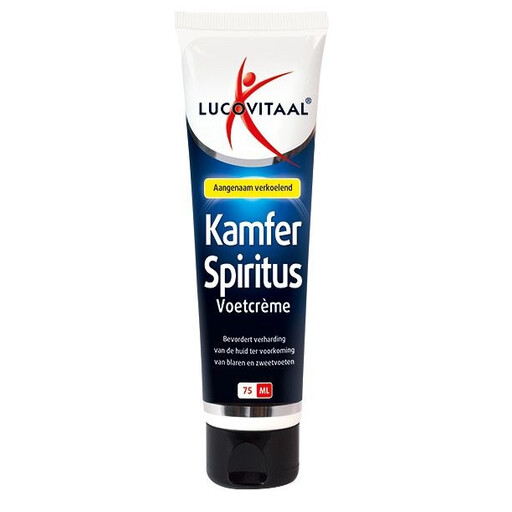
Why it suits this profile: The product information is aimed at walkers and runners. The formula contains camphor, menthol and glycerine and is intended to provide a cooling sensation and daily care.
The description states that users undertaking intensive activity can start using the product daily four weeks in advance. This is a non-medical product and must not be used on damaged skin.
75 ml size for a sports or walking kit; glycerine; vegan according to the product information.
We have put together a complete, up-to-date list of products that fully meet these strict selection criteria and the applicable European safety regulations.
Apply foot cream after washing, when the skin is clean and thoroughly dried. Pay extra attention to the heels and areas with hard skin. Wait until the cream has mostly absorbed before putting on socks. For walkers and runners, it is sensible to break in new shoes and socks gradually; cream alone will not prevent every blister.
Keep the tube closed and check the expiry date and period after opening on the packaging. Stop using the product if a skin reaction persists. If you have deep cracks in your heels, recurring wounds, a suspected fungal infection or diabetes, it is advisable to consult a doctor or podiatrist.
Choose a moisturising foot cream containing ingredients such as glycerine, urea, panthenol or nourishing oils. For very dry heels, a richer cracked heel cream is generally a better choice than a lightweight cooling gel. Always read the full ingredients list and use the product according to the packaging instructions.
This varies from one formula to another. Many products are intended for daily use on clean, dry feet. According to the product information, a hard-skin cream may be applied twice a day, while a general foot balm may be sufficient once a day. Applying more does not automatically produce better results.
According to the product description, a cooling foot cream or balm can provide a fresh sensation and help reduce odour. Suitable footwear, dry socks and a good fit are also important for preventing blisters. Do not apply a greasy layer immediately before a long walk if this could cause additional friction; follow the drying time stated on the packaging.
