
Livraison le jour même et le lendemain

Qualité garantie

Débloquez vos offres de bienvenue: Livraison GRATUITE | Jusqu'à -80 % | 30 jours d'essai gratuits à JoyPlus
Téléchargez l'application
Dry skin often feels tight, can become rough on the elbows and shins, and may sometimes react to fragrance or a heavy texture. If you are looking for a moisturising body cream for dry skin, you will soon come across terms such as “intensive”, “72-hour hydration” and “helps restore the skin barrier”. These words sound clear, but they do not always tell you what you are actually buying.
Pay particular attention to the ingredients list, the skin type the cream is intended for and how the manufacturer substantiates its claims. This helps you avoid choosing a lightweight cream for very dry skin, or a heavily fragranced formula for sensitive skin.
A claim such as 72-hour hydration does not guarantee that every user will not need to apply cream for three days. Always check the supporting evidence. For some products, this is based on an instrumental test with a limited number of participants; for others, it is based on self-assessment after a specific period of use. According to the product information for NIVEA Repair & Care Intensive, the claim is based on an instrumental test with 33 participants. The Urea variant mentions self-assessment by 41 volunteers, with a measurement taken 72 hours after two weeks of use.
Use this type of claim as a point of comparison, not as a personal promise.
A body cream may be marketed for all skin types while still containing perfume or fragrance allergens. So check the ingredients list. Substances such as Parfum, Linalool, Limonene and Citronellol may be relevant if your skin reacts easily.
For sensitive or itchy skin, a fragrance-free formula is often a more practical choice. Stop using the product if irritation occurs and consult a doctor or pharmacist if skin problems persist.
A cream for the face and body is convenient when travelling or for the whole family, but it does not always have the same rich formulation as a body cream for very dry skin. A lightweight formula with jojoba oil may feel pleasant for everyday use, while a cream with urea, glycerine and panthenol is more suitable for rough or severely dehydrated skin.
Ingredients do not tell you everything about how a cream feels. A formula with mineral oils, silicones or richer emollients can provide a protective layer, while a gel cream absorbs more quickly.
The term helps restore the skin barrier is often used in marketing. Interpret this carefully: according to the manufacturer, a product may help support the skin’s natural barrier, but this is not a medical treatment. Look for ingredients that help limit moisture loss, such as glycerine, dimethicone, mineral oil, shea butter or certain fatty alcohols.
Ideally, apply the cream to clean skin that is still slightly damp, for example after showering. Pay extra attention to the shins, knees, elbows and hands.
A non-greasy body cream is convenient if you want to get dressed straight away. A richer cream may be more suitable for the evening or for very dry areas, but it can remain on the skin for longer. Also compare the size:
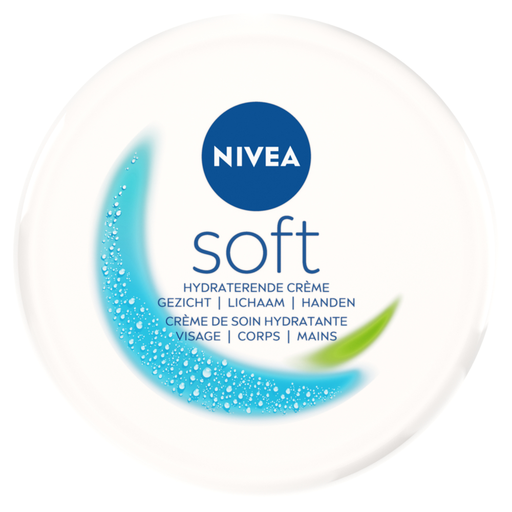
Why it suits this profile: A versatile cream for the face, hands and body with a lightweight texture for everyday use.
The product information states that it has a fast-absorbing, non-greasy formula. However, check the fragrance allergens in the ingredients list if your skin is prone to reactions.
200 ml, with glycerine, vitamin E and jojoba oil; suitable for the face, hands and body according to the product description.
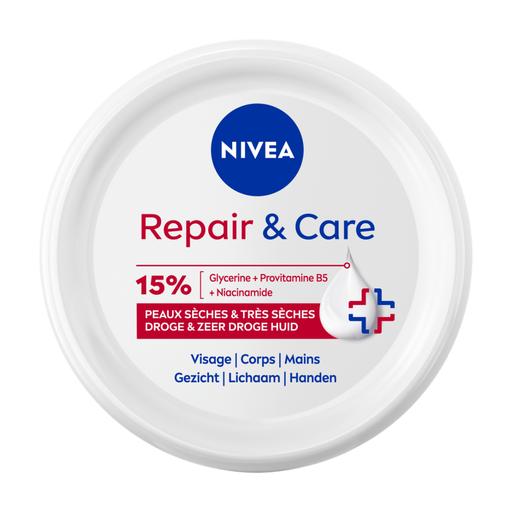
Why it suits this profile: Designed for adults and families looking for a large pack for dry, very dry and rough skin.
The formula contains 12% glycerine and vitamin E, so you do not have to rely solely on a general “intensive” claim. The manufacturer says it supports the skin barrier.
400 ml; intended for the face, hands and body; up to 72 hours of hydration according to an instrumental test by the manufacturer.
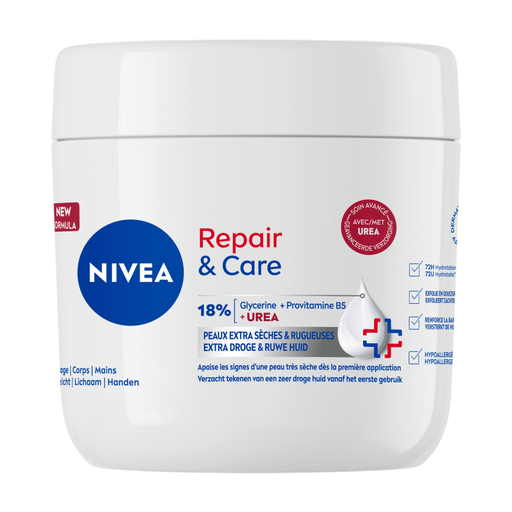
Why it suits this profile: A sensible choice if you are mainly looking for a cream for very dry, rough or cracked skin and want to compare urea-based formulas.
Alongside glycerine, the ingredients list includes urea, sodium lactate and panthenol. The 72-hour product claim is based on self-assessment by 41 volunteers.
400 ml; combines urea, glycerine and pro-vitamin B5; designed for very dry and rough skin.
We have compiled a complete, up-to-date list of products that fully meet these strict selection criteria and the applicable European safety regulations.
For sensitive skin, fragrance-free care may be a more practical option. According to the product information, NIVEA Repair & Care Sensitive Body Cream contains 10% glycerine and panthenol and is fragrance-free. If you are mainly looking for a cream for the face and hands, you could also consider a smaller NIVEA Soft pack.
Look for a formula containing glycerine, urea or panthenol, among other ingredients, and choose a richer texture. According to the product description, NIVEA Repair & Care Urea Body Cream was developed for very dry and rough skin. If you have sensitive skin, also check for perfume and potential fragrance allergens.
This depends on your skin and the product. Applying it daily after showering is a practical starting point. You can reapply it to dry areas whenever your skin feels tight or rough. Always follow the instructions on the packaging.
It can be, provided the packaging states this and the formula feels comfortable on your skin. A versatile cream is convenient for the hands, face and body, but a more targeted, richer body cream may be better suited to very dry areas of the body.
