
Vandaag of morgen in huis

Kwaliteit gegarandeerd

Welkomstaanbiedingen ontgrendelen: GRATIS bezorging | Tot 80% korting | Gratis 30 dagen JoyPlus-proefperiode
Download de app
Coconut water is a popular choice for a refreshing, hydrating drink. But for anyone browsing in the supermarket or online, the sheer number of options can be overwhelming. The packaging promises a tropical experience, but the reality is sometimes less appealing. Many products contain hidden sugars or are made from concentrate, which affects their quality and taste.
As a Joybuy Product Recommendation Officer, I'm here to help you see through the marketing hype. This guide explains what to look for, so you can make an informed choice and avoid paying for unnecessary additives.
Before you make a purchase, it's important to recognise the following common deceptions:
natural coconut water.bulk-pack of coconut water is almost always the most financially savvy choice.To make a good choice, focus on a few objective specifications. These factors determine the quality and value of the product.
The ideal ingredient list is short: 100% coconut water. If you're looking for sugar-free coconut water, there should be no form of sugar, syrup, or sweetener on the label. Sometimes ascorbic acid (vitamin C) is added; this is an acceptable preservative that prevents oxidation and helps maintain freshness. Products with a long list of ingredients often contain unnecessary additives.
The term not from concentrate is a key quality indicator. It means the coconut water was extracted directly from the young coconut, pasteurised, and packaged. This process preserves the natural flavour and the composition of nutrients, including electrolytes like potassium, better than products diluted from a concentrate.
Don't just compare the total price; calculate the price per litre. A bulk-pack of coconut water may seem like a larger initial investment, but it delivers significant savings in the long run. This is especially relevant for families, hospitality business owners, or anyone who regularly uses coconut water as a hydrating drink.
Based on the criteria above, we have selected a number of products that suit different user profiles.
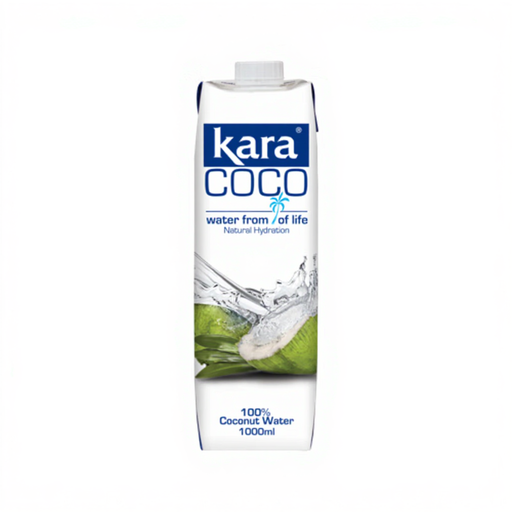
Why This Fits Their Persona: This 1-litre carton is ideal for those who want to rehydrate quickly after a workout or enjoy a daily glass of coconut water. It's a convenient size without requiring you to buy a huge supply at once.
Consists of just one ingredient: 100% coconut water. No hidden sugars or unnecessary additives. The 1-litre format offers better value for money than small bottles.
A pure and straightforward product. According to the manufacturer's specifications, it is rich in natural potassium (180 mg per 100 ml).
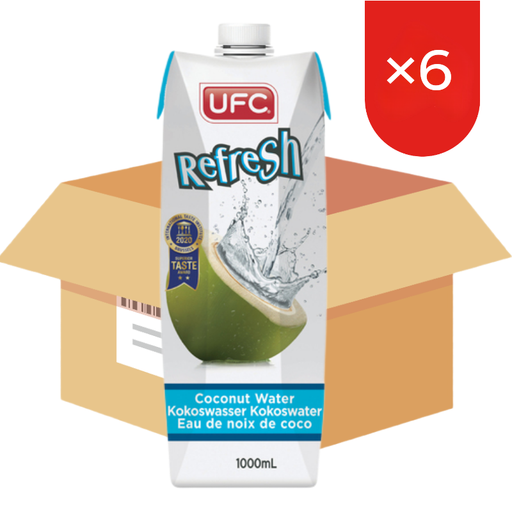
Why This Fits Their Persona: This 6-litre value pack is perfect for families who want to keep a healthy and natural drink on hand. The 1-litre cartons are easy to store and serve.
By buying in bulk, you bypass the high cost per litre of individual packages. This product is 100% natural coconut water, avoiding the sugar trap.
According to the manufacturer, it's 100% natural and sourced from Thailand. A convenient and economical bulk pack.
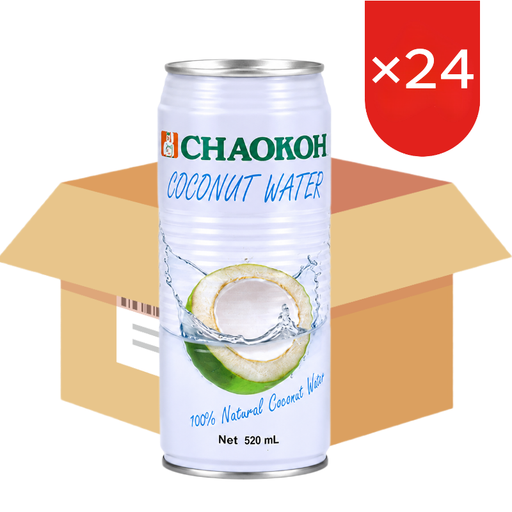
Why This Fits Their Persona: Ideal for cafés, restaurants, or sports canteens. `Chaokoh coconut water` is a well-known brand that represents consistent quality. The 520 ml cans are a perfect size for individual sale or serving.
This `bulk pack` maximises value and significantly lowers the cost per unit. Chaokoh is known for its pure product, helping you avoid the pitfall of low quality and additives.
Authentic Thai brand, made from selected young green coconuts. Ideal for professional use or as a large home supply.
We have compiled a complete, up-to-date list of products that fully meet these strict selection criteria and UK regulations.
Coconut water in a carton is pasteurised (briefly heated) to extend its shelf life. This can slightly affect the taste compared to fresh coconut. However, the hydrating properties and the main electrolytes are largely preserved. The key is to choose a product that contains 100% pure coconut water, without any additives.
Once opened, coconut water should be stored in the refrigerator. It is then typically best consumed within 24 to 48 hours. The exact shelf life can vary by brand, so always check the instructions on the packaging.
This is a common point of confusion. Coconut water is the clear, watery liquid found inside young, green coconuts. It is naturally fat-free and low in calories. Coconut milk, on the other hand, is made by pressing the flesh of ripe, brown coconuts. It is creamy, rich in fat, and contains significantly more calories. The two products are not interchangeable in recipes or as drinks.
