
Vandaag of morgen in huis

Kwaliteit gegarandeerd

Welkomstaanbiedingen ontgrendelen: GRATIS bezorging | Tot 80% korting | Gratis 30 dagen JoyPlus-proefperiode
Download de app
If you’re looking to buy coconut water, you’ll soon come across terms such as “pure”, “natural” and “rich in electrolytes”. These words don’t always mean the same thing. A carton of 100% coconut water, for example, is quite different from a sweetened coconut drink containing coconut extract or flesh. Pack size also affects whether you get good value or end up with more than you need.
Use this practical guide to compare ingredients, nutritional values, pack sizes and how you plan to use it. You’ll find an option that suits you at home, on the go, for sport, at the office or in the food service industry.
Coconut water is the liquid from a coconut. On the label, it may be listed as “coconut water”. A natural coconut drink, on the other hand, may also contain water, sugar, coconut extract, flavourings or stabilisers.
Coconut milk is a different product. It’s made from coconut flesh and generally contains considerably more fat. For example, Mae Ploy Blue Coconut Milk UHT 1 L lists 19 grams of fat per 100 grams and is intended for curries, soups, desserts and smoothies. It’s not a direct substitute for a low-calorie drink.
Always check the ingredients list and nutritional information. According to the product information, Sunlee Coconut Juice with Pulp contains coconut water, water, sugar and young coconut flesh. The drink provides 30 kcal and 6.4 grams of sugar per 100 ml.
For coconut water with no added sugar, ideally the ingredients list should mention coconut water alone. According to its product description, IF Thailand Premium 100% Natural Coconut Water 1L x 12 contains coconut water (100%) and provides 21 kcal per 100 ml. This highlights the difference between a 100% option and a sweetened coconut drink.
A coconut water multipack is handy for a household, office, gym or food service business. However, a 12-litre box isn’t practical if you only open a carton occasionally. So, consider:
For 100% coconut water, look for an ingredients list that contains only “coconut water”. Vita Coco Coconut Water 1L lists coconut water and vitamin C in its product information; the 330 ml multipack version lists 99% coconut water and a small amount of fructose. So, despite having similar product names, they have different ingredients.
A blended coconut drink may contain added water, sugar, coconut extract, flavourings or stabilisers. That’s not necessarily a problem, but it will affect the taste, sugar content and suitability for your needs.
Always compare values per 100 ml, not just per can or bottle. Values vary across the range:
This makes it easy to see whether you’re choosing a lighter drink or a sweeter coconut drink. Claims about electrolytes come from brands’ product information; treat them as product specifications, not medical promises. The actual nutritional values are shown on the label.
A small carton or can is handy on the go and means you won’t have much left to store after opening. 1-litre coconut water is more practical for families, offices or recipes. For frequent use, boxes of 12 × 500 ml or 12 × 1 litre may be more convenient.
Also check the packaging. Some products recommend shaking before use, especially if the flesh or natural ingredients may settle. Once opened, seal the pack, refrigerate it and consume it within the stated time.
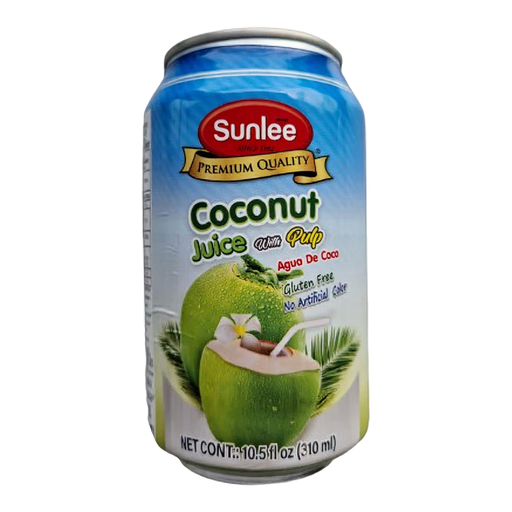
Why it suits this profile: The small pack is ideal for trying coconut drink for the first time or taking it with you chilled. The young coconut flesh gives it a different texture from clear coconut water.
The 310 ml pack helps limit waste after opening. The ingredients list makes it clear that sugar has been added, so you won’t mistake it for 100% coconut water.
310 ml per can, coconut water with young coconut flesh and 30 kcal per 100 ml according to the product information.
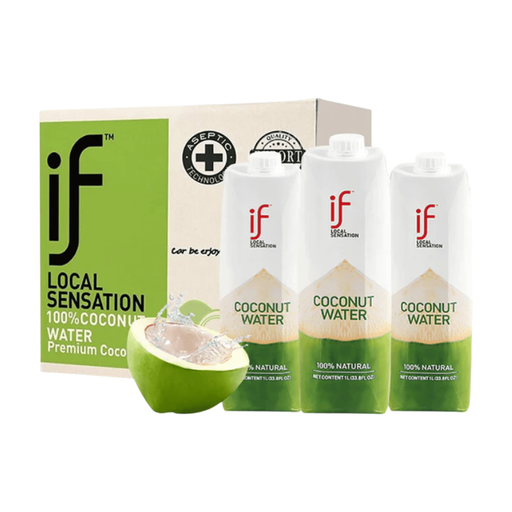
Why it suits this profile: This Thai coconut water multipack is ideal for shoppers looking for clear ingredients and a generous supply.
The product description lists coconut water (100%) with no added sugars. However, always check the current label when your order arrives.
12 cartons of 1 litre, 21 kcal per 100 ml and best served chilled according to the product information.
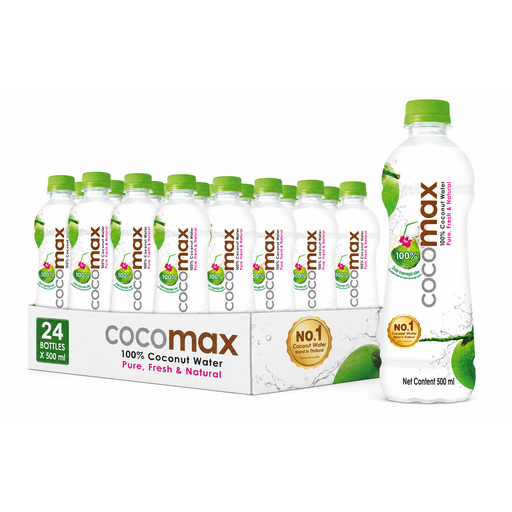
Why it suits this profile: The 12 bottles of 500 ml are a good fit for gym bags, canteens, offices and households where you want to grab an individual portion regularly.
The portion size means you won’t have a one-litre carton open in the fridge for several days. According to the product information, the drink contains no added sugar.
12 × 500 ml, 100% coconut water according to the product description and 21 kcal per 100 ml.
We’ve put together a complete, up-to-date list of products that meet these strict selection criteria and the applicable European safety regulations.
No. Check the ingredients list. A product may contain no added sugar but still include water, coconut extract, flavourings or other ingredients. If the ingredients list mentions coconut water alone, it’s labelled as a 100% option.
It depends on the packaging. Product information gives timeframes of 48 hours, 72 hours or a few days. Keep opened coconut water chilled, seal it properly and always follow the instructions on the current label.
That depends on the price per litre, pack size and how much you waste. Calculate the total volume in the box and compare it with individual packs. For regular use by several people, 12 × 1 litre may be practical; for individual drinks, 12 × 330 ml or 12 × 500 ml is often easier to manage.
