
Vandaag of morgen in huis

Kwaliteit gegarandeerd

Welkomstaanbiedingen ontgrendelen: GRATIS bezorging | Tot 80% korting | Gratis 30 dagen JoyPlus-proefperiode
Download de app
Coconut water is popular with people looking for a tropical drink as an alternative to fizzy drinks, to drink during exercise or to keep at home. Yet many packs look more alike than they really are. One variety may contain 100% coconut water, while another includes sugar, fruit juice or coconut extract.
Pack size also makes a difference. A 500 ml carton is handy for taking with you, while a box of one-litre cartons may offer better value for families. With these practical checks, you can quickly see which coconut water suits your needs.
Always check the ingredients list. Natural coconut water, for example, may list coconut water (100%) as the ingredient. Other products contain water, sugar, fruit juice, flavourings or coconut extract.
A clear example is Coco Rico Coconut Water With Pulp Can. According to the product information, this drink contains carbonated water, sugar and/or glucose-fructose syrup, coconut extract and preservative E211. This is therefore a different type of tropical drink from coconut water with no added sugar.
Flavoured varieties are not the same as pure coconut water either. According to the product description, FOCO with pink guava and FOCO with pineapple contain 5% fruit juice. This may be a good choice if you are mainly looking for a sweeter fruit flavour, but not if you specifically want 100% coconut water.
Coconut water naturally contains sugars. So do not just look at the wording on the front of the pack. Also check:
According to the product information, Bamboo Tree contains 98.5% coconut water and cane sugar. Vietcoco contains 99% coconut water, less than 1% fructose and vitamin C. These varieties are not the same as coconut water with no added sugar, even if they are presented as natural or refreshing.
A box of 12 one-litre cartons is suitable if you drink coconut water regularly or want to stock up for the family. For one person, however, a smaller pack may be more convenient. Once opened, the product should be refrigerated and used within the time stated on the packaging.
Also consider your storage space. Twelve 1-litre cartons take up considerably more room than twelve 330 or 500 ml cartons. So compare the total volume, not just the price of the box.
For pure coconut water, look for an ingredients list containing only coconut water. Cocomax, Chaokoh, IF Thailand and UFC Refresh are described in the product information as 100% coconut water. According to the product descriptions, these varieties contain no added sugar. However, always check the label, best-before date and current packaging when your order arrives.
For a flavoured variety, check the proportion of fruit juice. According to the supplied product information, FOCO with pink guava and FOCO with pineapple contain 5% fruit juice and vitamin C. This makes them more of a flavoured tropical drink than a pure product.
The term coconut water with electrolytes usually refers to naturally occurring minerals such as potassium and sodium. The amount varies by brand and batch. Chaokoh lists, among other nutrients, 149 mg of potassium, 22.8 mg of sodium and 6.49 mg of magnesium per 100 ml.
This makes the nutrition table more useful than general marketing language. Coconut water can be a pleasant choice after exercise or on a hot day, but it does not automatically replace a complete sports drink or meal. During intense exercise and substantial fluid loss, your individual circumstances and professional advice may be more important than your choice of drink.
Choose the size that fits your routine:
A 1-litre carton is often more versatile in the kitchen. You can drink it chilled, use it in a smoothie or add it to a tropical mix. Smaller cartons are easier to take with you and help reduce waste if you do not drink coconut water every day.
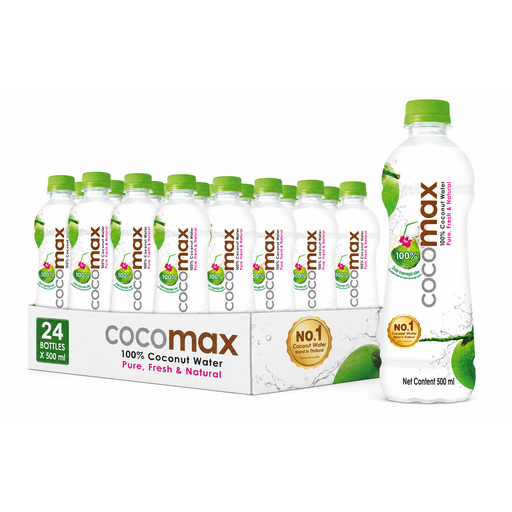
Why it suits this profile: The 500 ml portions are easy to manage for everyday use, work or a walk. The box contains 12 cartons, so you do not have to keep ordering individual packs.
The product description states that it contains 100% coconut water and no added sugar. Also check the packaging and best-before date before buying.
12 x 500 ml cartons, 21 kcal per 100 ml according to the product information, and suitable for drinking chilled.
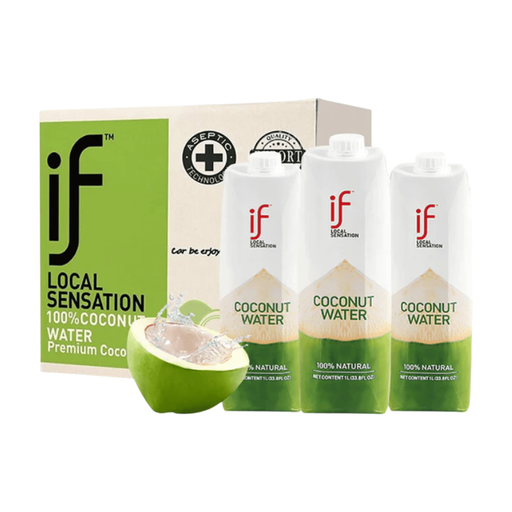
Why it suits this profile: This variety is aimed at lovers of Thai coconut water and those wanting to stock up at home. The one-litre cartons are also useful for smoothies and sharing.
The ingredients list states coconut water (100%). No added sugars are mentioned in the product information.
Box of 12 one-litre cartons, sourced from Thailand according to the product description, with 21 kcal per 100 ml.
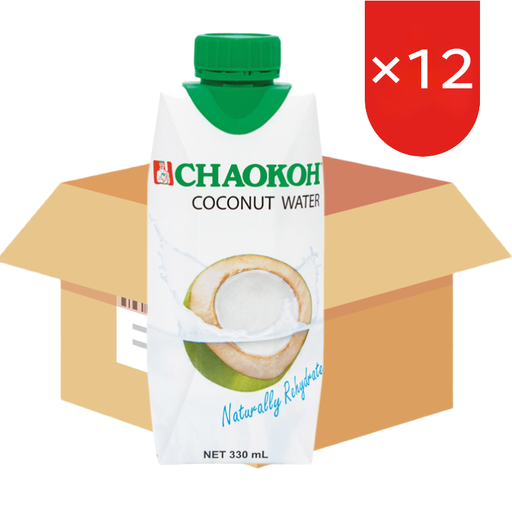
Why it suits this profile: The compact portions are easy to take to work, training or on a day out. The box is suitable when you plan to enjoy several smaller servings.
The product information states that it contains coconut water (100%) and no added sugars, artificial additives or preservatives.
330 ml per pack, 12 packs per box, plus stated potassium, sodium and magnesium values per 100 ml.
We have put together a complete, up-to-date list of products that fully meet these strict selection criteria and the applicable European safety regulations.
Not necessarily. Coconut water naturally contains sugars. “No added sugar” means that, according to the ingredients list, no extra sugar has been added. So check the nutritional values per 100 ml and compare them with other varieties.
Coconut water naturally contains electrolytes, including potassium and sodium. Some people therefore choose it as a refreshing drink after or during light exercise. For long or intensive training sessions, it is also wise to consider your total fluid, energy and salt intake.
Always follow the instructions on the carton. The IF product information, for example, states that opened coconut water should be refrigerated and used within 48 hours. Chaokoh states that it should be used within 7 days. These differences show why you should check the label on your specific pack.
