
Vandaag of morgen in huis

Kwaliteit gegarandeerd

Welkomstaanbiedingen ontgrendelen: GRATIS bezorging | Tot 80% korting | Gratis 30 dagen JoyPlus-proefperiode
Download de app
Chickpeas are everywhere: in salads, curries, hummus, and even as a crunchy snack. But the supermarket aisle is packed with choices. From canned chickpeas to dried chickpeas, organic or not, the variety can be overwhelming. The wrong choice can lead to watery hummus or a bland curry. As a Product Recommendation Officer at Joybuy, I'm here to help you make the right decisions, without the marketing jargon.
Before you put anything in your basket, here are a few common pitfalls:
To avoid a bad purchase, it's useful to pay attention to a few concrete specifications. These aren't opinions, but facts you can check directly on the packaging.
The choice between dried and pre-cooked is the most important one.
A quick glance at the ingredients list tells you a lot. Ideally, a can of chickpeas should only contain chickpeas, water, and perhaps a little salt. Avoid products with a long list of E-numbers, sugar, or unknown preservatives. If purity is important to you, organic chickpeas are a great option. They are grown without synthetic pesticides and often contain no unnecessary additives.
With canned chickpeas, the total weight is listed on the packaging, but this includes the liquid. The drained weight tells you how many chickpeas you're actually left with after draining. Compare this weight to determine which option offers the best value for your money.
Not everyone uses chickpeas the same way. Here are a few suggestions tailored to different needs.
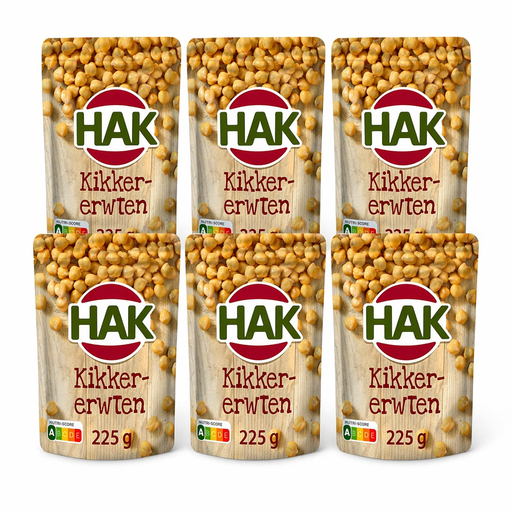
Why This Fits Their Persona: Ideal for those who want to put a nutritious meal on the table quickly after a long day at work. These chickpeas are ready to use in a salad, wrap, or quick curry, without the hassle of soaking and cooking.
This product sidesteps the pitfall of hidden additives. According to the manufacturer HAK, it contains only chickpeas, water, and sea salt. The stand-up pouch makes portioning easy, and you won't need to look for a can opener.
The chickpeas are steamed in the packaging, which, according to HAK, ensures better flavour and a firm texture. The product has a Nutri-Score A.
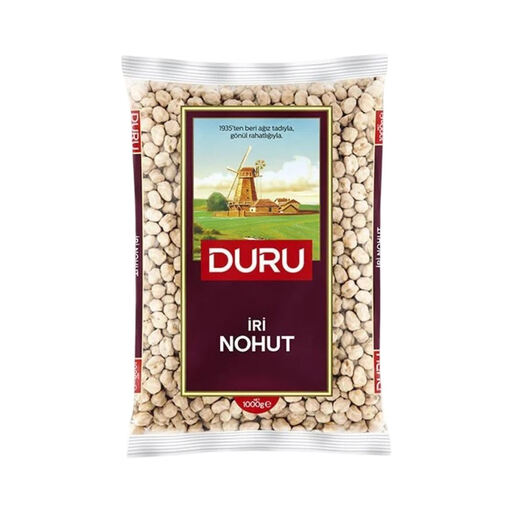
Why This Fits Their Persona: For the cook who loves preparing dishes from scratch and wants full control over texture and flavour. Perfect for large batches of soup, authentic Turkish nohut stews, or creating the perfect hummus.
You completely avoid the "wrong texture" pitfall. By soaking and cooking them yourself, you decide exactly how soft or firm the chickpeas become. Moreover, this product contains only one ingredient: chickpeas.
The large 1 kg package is economical for those who regularly eat legumes. The 'iri' (large) size of these Turkish chickpeas provides a meaty texture after cooking.
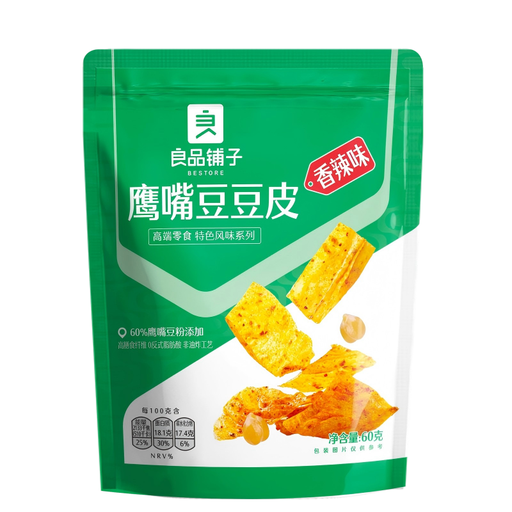
Why This Fits Their Persona: For those looking for a savoury, crunchy snack that fits a conscious lifestyle better than crisps. This chickpea snack is ready-to-eat and convenient for on the go, at the office, or after a workout.
This product is specifically designed as a snack. This means you don't have to experiment with roasting chickpeas yourself, which often leads to a chewy or burnt result. It's a targeted solution for snack cravings.
According to the product information, the snack is rich in protein and dietary fibre. The spicy seasoning provides a bold flavour, making it a satisfying treat.
We've compiled a complete, up-to-date list of products that meet these selection criteria and current regulations.
Yes, it is advisable to rinse canned or jarred chickpeas under cold water. This removes excess salt and the starchy liquid (aquafaba), resulting in a purer flavour and better texture in your dish.
The standard method is to first rinse the dried chickpeas thoroughly. Then, soak them for at least 8 hours (or overnight) in plenty of water. Drain the soaking water, place the chickpeas in a pan with fresh water, and bring to a boil. Let them simmer for 1 to 2 hours until they reach the desired softness.
Yes, chickpeas are legumes and do not naturally contain gluten. They are a popular choice in gluten-free diets. However, always check the packaging of processed products like a chickpea snack or flour. Sometimes, traces of gluten can be present due to cross-contamination during processing.
