
Vandaag of morgen in huis

Kwaliteit gegarandeerd

Welkomstaanbiedingen ontgrendelen: GRATIS bezorging | Tot 80% korting | Gratis 30 dagen JoyPlus-proefperiode
Download de app
Tinned beans are convenient, have a long shelf life and are ready to use straight away. However, tins and jars can differ considerably in type, quantity, ingredients and storage instructions. If you only look at the front of the packaging or the low price, you could end up with too much liquid, the wrong texture or a product that does not suit your planned recipe.
This buying guide will help you choose the right option from white beans, kidney beans, chickpeas, brown beans, black beans and other tinned pulses.
A 400-gram pack often also contains water, salt or sauce. This means there is less product left after draining. So do not just compare the price per tin. Also consider:
For a salad or hummus, a pack of around 400 grams is often practical. For families or larger quantities, a jar or multipack may offer better value, provided you use the contents in time.
Beans in tomato sauce are ready to serve, but less versatile in a salad, soup or pasta dish. Check the ingredients list. A plain variety might contain beans, water and possibly salt. Prepared varieties may contain added sugar, oil, herbs or thickeners.
A long shelf life only applies while the packaging is intact and stored according to the label. Do not use a tin or jar if it is bulging, leaking, cracked or appears damaged. With glass jars, you should also check the lid. Many products need to be refrigerated after opening and consumed within the stated period.
Some product descriptions specify that refrigeration is required. Always follow the information on the packaging, as this takes precedence.
The type determines the texture and how the beans can be used:
Also consider the cut. Whole green beans have a different bite from very finely sliced varieties. This difference can be important when preparing a quick meal.
Look at the order of the ingredients and the nutritional values per 100 grams. A product containing only beans and water gives you more freedom to season it yourself. With tinned beans containing salt, rinsing them under the tap can affect the flavour and salt content of the dish, but it does not change the nutritional values stated on the label.
If you want to buy organic products, look for the official organic designation and certification mark on the packaging. For example, the B+ product description states that the chickpeas and red kidney beans are organically sourced. Always check the label when your order arrives.
Tins are stackable and practical for storing in the cupboard. A glass jar lets you see the contents, but requires more care because of the risk of breakage and the need to check the lid. A large size is useful for several people, while smaller packs can help reduce waste in a one-person household.
Also check that the storage conditions suit your cupboard. Some ambient products should be kept in a cool, dry place, away from direct sunlight, heat and moisture.
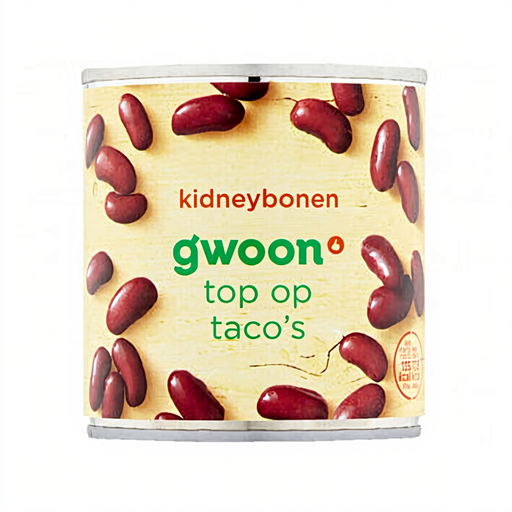
Why it suits this profile: The 200-gram pack is a manageable choice for your first chilli, salad or wrap meal, without building up a large stock.
The ingredients list states red kidney beans and water, with no added sugar according to the product information.
Small size, plain base and suitable for several simple dishes.
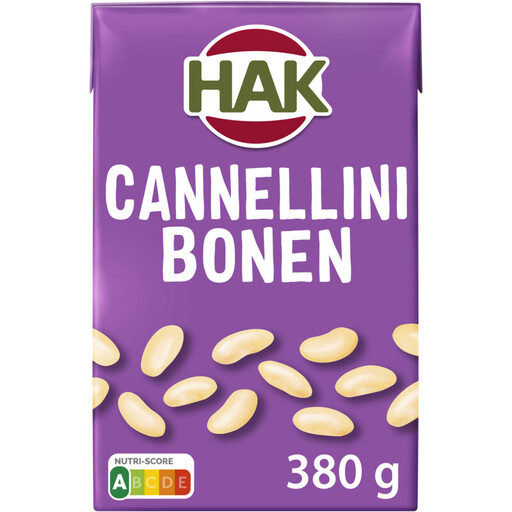
Why it suits this profile: Cannellini beans provide a mild white bean for dishes where texture and versatility matter.
The product information states that it contains 100% natural ingredients and provides nutritional values per 100 grams.
380 grams, suitable for pasta, soup and salads, containing white beans, water, salt and calcium chloride.
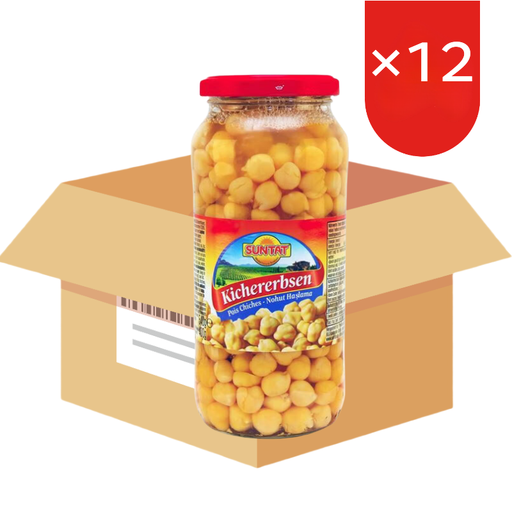
Why it suits this profile: This multipack is ideal for households, meal planning and fans of Turkish or international cuisine.
By choosing several packs in a single purchase, you will not need to look for individual tins as often. Do check the best-before date and your available storage space.
Chickpeas for hummus, soup, stews and salads; after opening, store in the fridge according to the product information and use within 2 days.
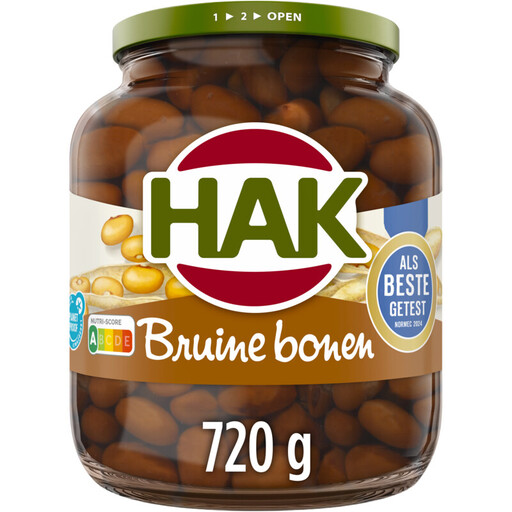
Why it suits this profile: The large jar is well suited to Dutch mash dishes, bean soup, chilli and meals for several people.
The ingredients list is visible and, alongside brown beans, includes sugar syrup, sea salt and herbs. This helps you assess the flavour in advance.
720 grams, suitable for hot and cold dishes; according to the product information, the jar is vacuum-sealed.
For Turkish dishes, cooked beans such as Haslanmis Jumbo Fasulye or Sera Haslanmis Nohut are practical choices. According to the product description, they can be rinsed and added to salads, stews or hummus. With jumbo white beans, check the storage instructions carefully, as the product information specifies refrigerated storage.
For a side dish, G'woon Whole Green Beans 800 grams or Bonduelle French Green Beans Very Fine 200 grams are logical options. With green beans, pay particular attention to the desired cut and salt content. For organic options, compare B+ Organic Red Kidney Beans or B+ Chickpeas based on the packaging, ingredients and nutritional values.
We have compiled a complete, up-to-date list of products that fully meet these strict selection criteria and the applicable European safety regulations.
Most tinned or jarred beans and chickpeas have already been heat-treated and are ready to use. Check the product description and label. Usually, all you need to do is drain them, rinse them if you wish and heat them through.
Do not store opened beans in the opened tin. Transfer them to a sealed container and refrigerate them. Use them within the period stated on the packaging. For some chickpeas, for example, a period of 2 days is specified.
Many varieties consist of beans, water and salt, making them suitable for vegetarian or vegan meals. This does not automatically apply to prepared products with sauce or herbs. Always check the full ingredients list and any allergen information before buying.
