
Vandaag of morgen in huis

Kwaliteit gegarandeerd

Welkomstaanbiedingen ontgrendelen: GRATIS bezorging | Tot 80% korting | Gratis 30 dagen JoyPlus-proefperiode
Download de app
Craving a crispy snack, but want something different from standard potato chips? Vegetable chips might seem like the perfect solution. The supermarket aisle is filled with bags using terms like ‘healthy’, ‘natural’, and ‘baked’. But not every bag of vegetable chips is what it seems. Before you make a choice, it’s helpful to know what to look for to avoid paying for marketing instead of quality.
As a Product Recommendation Officer at Joybuy, I see a lot of products come and go. I’m here to help you separate fact from fiction. These are the most common pitfalls:
You don’t need to be a nutritionist to make a smart choice. By paying attention to a few specific details, you can quickly assess the quality of vegetable chips.
The most important question is: what are the chips made of? Look at the ingredients list. The ingredient listed first is the most prominent one.
The way the chips are made has a major impact on their texture and fat content.
A quick look at the nutrition table per 100 grams provides a lot of insight. Compare the values with those of regular potato chips (on average 5g protein, 4g fibre, 1.5g salt).
Based on these objective criteria, we have selected a number of products that cater to different preferences.
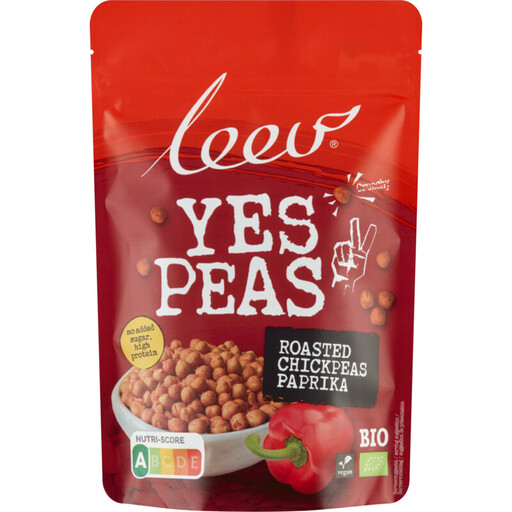
Why This Fits Their Persona: Ideal for those seeking a filling and nutritious snack. These roasted chickpeas are an excellent source of plant-based protein and fibre, which helps you feel full for longer.
The main ingredient is 94% organic chickpeas. This isn't a flour-based product, but a genuine legume snack.
Very high in protein (22.3g) and fibre (29.4g) per 100g. Organic and with no added sugars.

Why This Fits Their Persona: Perfect for those looking for the authentic taste of sweet potato chips. The natural sweetness of the sweet potato shines through in these thin, crispy slices.
The ingredients list is short and clear: 80% sweet potato and palm oil. No unnecessary additives or starch fillers.
Preserves the original flavour of sweet potato. The manufacturer highlights its non-fried cooking method.

Why This Fits Their Persona: For those who want to try something completely different. This Asian snack offers the deep, savoury umami flavour of mushrooms in a surprisingly light and crispy form. A unique taste experience.
The main ingredient is simply mushrooms. This isn't a potato chip with flavouring powder, but the vegetable itself, processed into a crispy snack.
Retains the natural umami flavour of mushrooms. Rich in fibre (20g per 100g) and a good source of protein (15g per 100g).
We have compiled a complete, up-to-date list of products that meet these selection criteria and comply with current regulations.
That depends entirely on the specific product. Vegetable chips made from real vegetables that are baked or vacuum-fried can contain more fibre and nutrients and less fat than traditional chips. However, always read the label. A flour-based vegetable chip with high salt and fat content is not necessarily a healthier choice.
Most vegetable chips with only salt are naturally vegan chips. However, be cautious with flavoured varieties. Ingredients like whey powder (milk), cheese powder, or certain flavourings can contain animal products. Always check the ingredients list and allergen information on the packaging.
There are several methods. Traditional frying in hot oil is common. Another method is vacuum-frying, which involves frying at a lower temperature. According to manufacturers, this results in a lower fat content. Baked chips are prepared in an oven or with hot air, which is usually the lowest-fat option. Finally, there are dried snacks, where moisture is slowly extracted to create a light, crispy texture.
