
Vandaag of morgen in huis

Kwaliteit gegarandeerd

Welkomstaanbiedingen ontgrendelen: GRATIS bezorging | Tot 80% korting | Gratis 30 dagen JoyPlus-proefperiode
Download de app
Are you looking to buy chickpeas, but unsure whether to go for tinned chickpeas, dried chickpeas or a bulk pack? The difference isn't just in the price. The preparation time, drained weight, ingredients list and storage method all determine whether a product suits your kitchen.
Chickpeas are also sold as nohut, the Turkish name you'll often see on packaging. They work well in hummus, salads, curries, soups and stews. These checks will help you avoid paying too much for a pack that doesn't match how you cook.
A tin or jar might state 400g of product, but part of that is water. So check whether the packaging lists the net weight and, if applicable, the drained weight separately. That makes price comparisons between tinned chickpeas fairer.
With a multipack, it's also important to look at the number of packs and the weight per pack. A product title might mention a volume in millilitres, while the edible content is given in grams. If in doubt, always check the physical label.
Dried chickpeas are usually ideal for storecupboards and bulk use, but they require planning. They often need several hours of soaking and then cooking. The exact time depends on the bean, how long it's been stored and the softness you want.
For hummus, a soft texture is important. For a salad, you'll want chickpeas that hold their shape better. If you're making a quick meal, tinned chickpeas are usually the more practical choice.
Chickpeas are often promoted as a high-protein product. However, look at the nutritional information per 100g and compare products on the same basis. The protein content varies by type and preparation method. The salt content can also differ between tinned chickpeas.
A brand's claims about nutritional value or product features should be read alongside the official packaging. According to the manufacturer's or supplier's product information, the label is definitive; the details on a website may change.
A short ingredients list makes it easier to see what you're buying. Some products contain only chickpeas, water and salt. Other varieties may include flavourings or extra ingredients.
Always check the allergen information. The product description for B+ Chickpeas - 400 g, for example, mentions organically grown chickpeas and water, but also a warning about peanuts and nuts. That's relevant information for households with allergies. The packaging remains legally definitive.
For a small household, 400g chickpeas is often a manageable size. A pack of 1kg chickpeas or larger is better suited to families, meal preppers and catering. Don't just look at the unit price, but also consider:
According to SUNTAT's product information, an opened tin should be stored in the fridge and consumed within two days. For dried products, a cool, dry place away from direct sunlight is important.
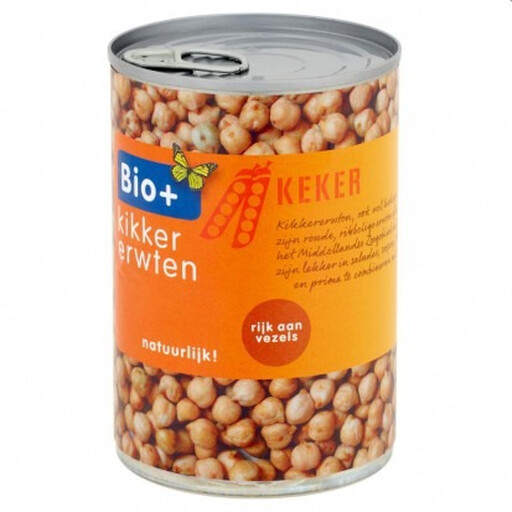
Why this suits the profile: The size is manageable for anyone who makes hummus, soup or salad occasionally and doesn't need a large stock.
The product description clearly states the size and basic ingredients. Do check the allergen warning on the packaging.
400 g; suitable for salads, stews and hummus; chickpeas and water listed as ingredients.
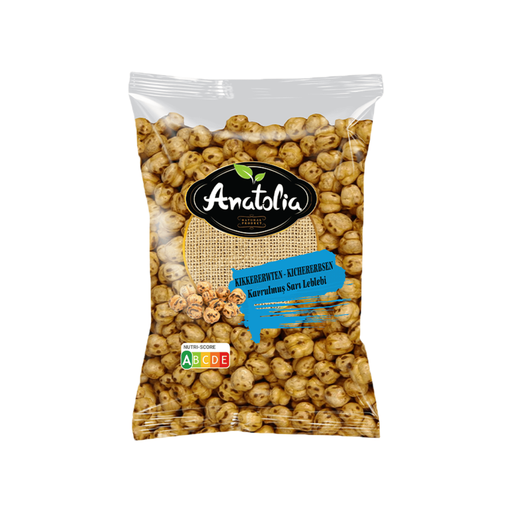
Why this suits the profile: This Turkish option appeals to fans of nohut and international dishes who want a product with a simple composition.
The description lists chickpeas as the only ingredient and provides nutritional values per 100 g. Compare those details with the label.
500 g; 100% chickpeas according to the product information; states a protein content of 7.5 g per 100 g.
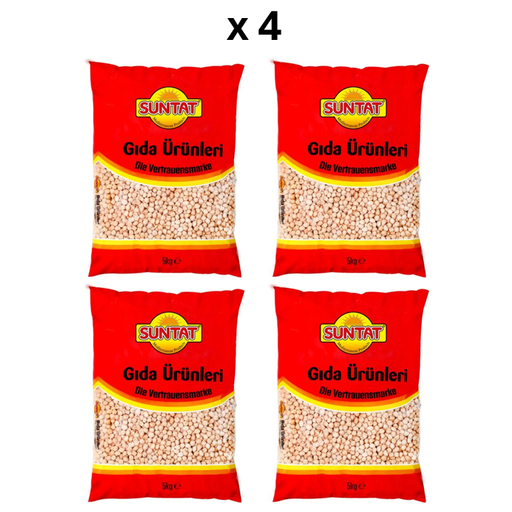
Why this suits the profile: The large quantity is aimed at heavy users, professional kitchens and households that frequently prepare chickpeas for hummus or stews.
A bulk pack avoids lots of small purchases, but only if you have enough dry storage space and your usage is high enough.
Large size; suitable for soaking and batch cooking; works in hummus, soups, salads and stews.
We've put together a full, up-to-date list of products that fully meet these strict selection criteria and comply with current European safety regulations.
If you want to buy pulses and combine them with other plant-based ingredients, you could also consider:
Tinned chickpeas are usually pre-cooked and ready to use. Drain them and rinse if needed before using. Check the packaging for exact usage instructions.
As a general kitchen guideline, dried chickpeas are often soaked for eight to twelve hours and then cooked. The time needed varies by product. So follow the instructions on the packaging and cook them until they reach the desired softness.
Yes, chickpeas are commonly used as a base for hummus. For a smooth result, soft chickpeas are helpful. Add tahini, lemon juice and garlic according to your own recipe, and always check the ingredients and allergen information on packaged products.
