
Vandaag of morgen in huis

Kwaliteit gegarandeerd

Welkomstaanbiedingen ontgrendelen: GRATIS bezorging | Tot 80% korting | Gratis 30 dagen JoyPlus-proefperiode
Download de app
When you’re looking to buy chickpeas, you’ll quickly notice plenty of differences in packaging, preparation and price. Do you go for tinned chickpeas, dried chickpeas or a ready-to-eat product? A small pack is handy for one meal, while a 1 kg or 5 kg bag can be more cost-effective for larger households and catering businesses.
The product description doesn’t always tell the full story. So pay particular attention to the following pitfalls.
Dried chickpeas are often good value per kilogram, but they need to be soaked for 8 to 12 hours first and then cooked. If you only make hummus now and then, you might not get through a 1 kg or 5 kg bag quickly enough. Also check whether you have enough airtight storage space.
With cooked chickpeas, the preparation varies from product to product. Some tinned chickpeas can be used straight after draining and rinsing. Other products are intended to be heated up first. So always check the instructions, the drained weight and the ingredients list.
Chickpeas that are high in protein don’t automatically contain the same amount of protein per 100 grams. Dried chickpeas, cooked chickpeas and chickpeas in a prepared dish aren’t directly comparable. Look at the nutritional information per 100 grams and check whether it refers to the product as sold or as prepared.
Dried chickpeas are ideal when you want to control the level of softness yourself. They work well in hummus, curries, soups and stews. Bear in mind the preparation time: soaking shortens the cooking time and helps the chickpeas soften more evenly.
For frequent use, larger packs are practical. A product like SUNTAT Chickpeas Nohut Kocbasi 4 x 5kg is described as being aimed at large households and the HoReCa sector. The pack contains multiple 5 kg bags and the chickpeas come from Turkey. Always check the best-before date on arrival and store an opened bag in a dry, airtight container.
Tinned or jarred chickpeas are convenient for weekday meals. You don’t need to soak or cook them for a long time. Usually, just draining, rinsing and adding to a salad, soup, curry or hummus is enough.
Pay attention to the difference between net weight and drained weight. The liquid counts towards the weight on the packaging, but not towards the amount of chickpeas on your plate. Also check the salt content and the ingredients. For example, the product information for SUNTAT Chickpeas 12x580ml lists chickpeas, water and salt. Once opened, these chickpeas should be kept refrigerated and used within two days, according to the product information.
A smaller portion is handy if you regularly prepare one or two meals. HAK Chickpeas comes as 6 x 225 g and, according to the product information, contains chickpeas, water and sea salt. The portions are suitable for salads, soups, Indian curries and hummus.
Sera Haslanmis Nohut 400 g is also an option if you’re looking for Turkish chickpeas without a long preparation time. According to the product description, they are cooked and ready to use. Do check the current ingredients list on the packaging before buying; the product information provided mentions water, oil and salt among other things.
Form of preparation
Choose dried chickpeas if you’re making large quantities and have time to soak and cook. Choose cooked chickpeas for convenience. Both are suitable for hummus, but a soft, well-cooked texture is more important than just the packaging or origin.
Contents and portion size
A pack of 200 to 400 grams is suitable for occasional use. For a large family, meal prepping or catering, a 1 kg pack or bulk pack of chickpeas may make more sense. Compare the price per kilogram, not just the price per pack.
Ingredients, allergens and nutritional value
Check whether the product contains only chickpeas or also water, salt, oil, acidity regulators or preservatives. The labelling on the packaging is definitive. Also look out for warnings such as “may contain traces of” and check the nutritional information per 100 grams.
Organic chickpeas can be identified by the valid organic certification on the packaging. A product that lists chickpeas as an ingredient isn’t automatically organic. Likewise, “Turkish chickpeas” mainly tells you about origin or style; always check the full product information.
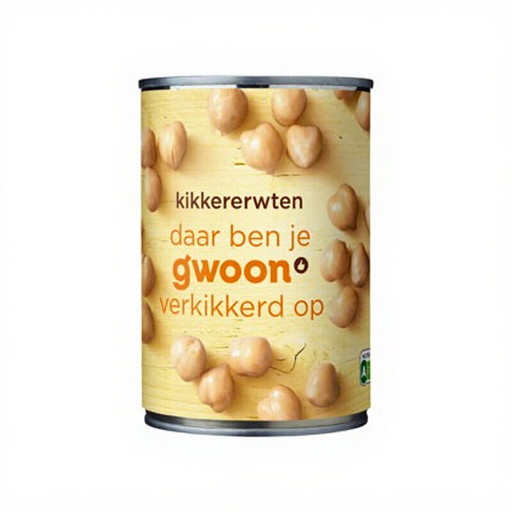
Why this suits the profile: The 200 gram content is manageable for a first purchase or a small meal. According to the product information, the chickpeas are suitable for salads, stews and as a side dish.
You’re not immediately tied to a large stock and don’t need to plan a long preparation.
200 g pack; can be prepared in a pan or microwave; according to the label, 8 g protein per 100 g.
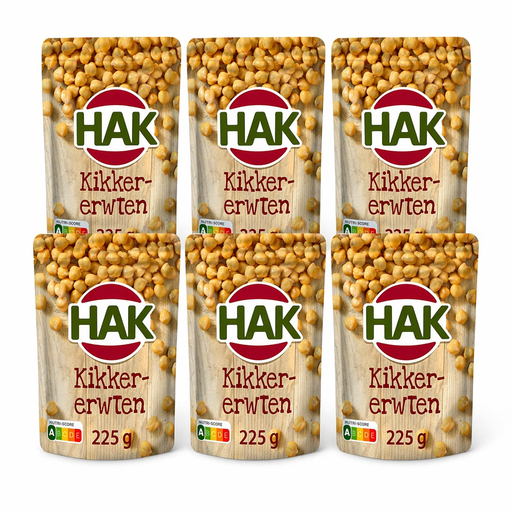
Why this suits the profile: The six individual portions provide fixed amounts for salads, hummus and hot dishes.
The portions limit waste and the product information clearly lists water and sea salt as the other ingredients.
6 x 225 g; according to the product information, 8.8 g protein per 100 g; suitable for cold and hot use.
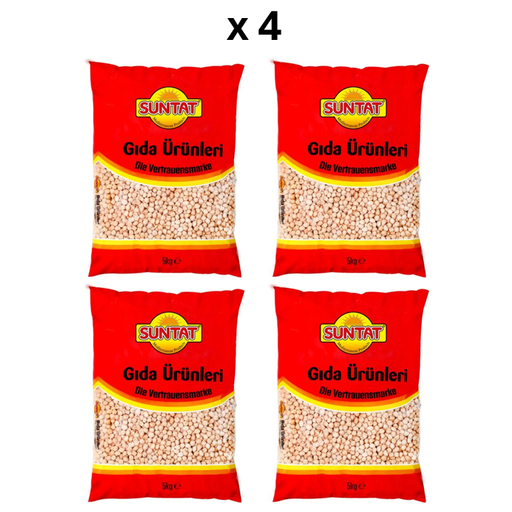
Why this suits the profile: The large pack is described as being intended for frequent preparation, large households and HoReCa.
The contents are divided into four 5 kg bags, so not everything has to be opened at once.
Large stock; dried chickpeas for hummus, soups and stews; origin Turkey according to the product description.
We’ve put together a full, up-to-date list of products that fully meet these strict selection criteria and comply with current European safety regulations.
Yes, tinned or jarred chickpeas are usually already cooked. Drain and rinse them if you want less liquid or salt. Then check the instructions on the label, especially for products with oil or added flavourings.
Ideally, soak dried chickpeas for 8 to 12 hours. Then cook them according to the product instructions; the time needed depends on the size, age and desired softness. For hummus, they usually need to be very soft.
Both dried and cooked chickpeas are suitable. Dried chickpeas give you control over the cooking, while a ready-to-use option saves time. Pay particular attention to a soft texture, a simple ingredients list and a pack size that matches your usage.
