
Same-day & Next-day Delivery

Quality Guaranteed

Unlock Your Welcome Offers: FREE Delivery | Up to 80% OFF | Free 30-day JoyPlus trial
Download the APP
Canned beans are a handy option when you need to get a meal on the table in a hurry. There's no need to soak them or cook for hours: just drain, rinse if you like, and add to a salad, soup, curry or chilli. That said, products vary widely in type, packaging, flavour, nutritional values and ease of use.
The product information on this page is based on the available product descriptions. Always check the label on delivery; under European labelling regulations, the information on the packaging takes precedence.
A 400g tin doesn't always contain 400g of drained beans. Some of it is water, sauce or brine. So look at the net weight, the drained weight if stated, and the portion size.
A larger tin isn't automatically better value. For one person, a smaller pack can actually prevent waste. If you often cook for several people, a size between 380g and 800g will be more suitable.
White beans, kidney beans, black beans and chickpeas in tins are usually plain ingredients. They work in a wide range of recipes, but they still need seasoning or sauce. Products like beans in tomato sauce or Turkish beans with chilli are ready to serve, but often contain extra ingredients such as oil, sugar and salt.
So read the ingredients list before you choose a product for a salad, chilli or quick lunch.
Unopened canned pulses are generally suitable for store-cupboard storage, provided the packaging is undamaged and the storage instructions are followed. A bulging, leaking or heavily dented tin should not be used.
The same goes for glass jars: don't use the product if the jar is cracked, the lid is bulging or the seal is faulty. Once opened, beans should be kept in the fridge and used within the time stated on the label.
The texture determines what you can most easily use a product for:
For a quick meal with no extra preparation, cooked beans are handy. Rinse them if you want to reduce the liquid, salt or typical tin flavour.
A simple composition might be just beans, water and salt. Other varieties contain acidity regulators, firming agents, oil, tomato sauce or herbs. None of these ingredients automatically make a product unsuitable, but they do affect the flavour and how you use it.
Compare per 100g, especially:
Values vary from product to product. For example, HAK Kidney Beans product information states 9g of protein and 6.6g of fibre per 100g, while Sera Boiled White Beans states 5g of protein and 4g of fibre. Use these figures as a comparison point, not as a general value for all white beans or kidney beans.
Tins are stackable and practical for the store cupboard. Glass lets you see the contents, but is heavier and breakable. Always check the storage instructions, as they can differ between products. Some Sera products advise refrigerated storage; in that case, follow the instruction on the packaging, even if it's a tin.
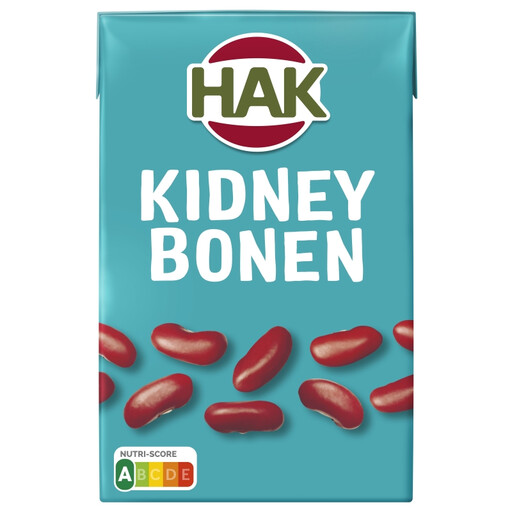
Why it suits this profile: A versatile pack for wraps, chilli, salads and curries. The product information states 230g per pack and a firm texture.
The product description lists ingredients and nutritional values, so you're not relying solely on the front of the pack.
9g of protein and 6.6g of fibre per 100g according to the product information; suitable for vegetarian and vegan meals.
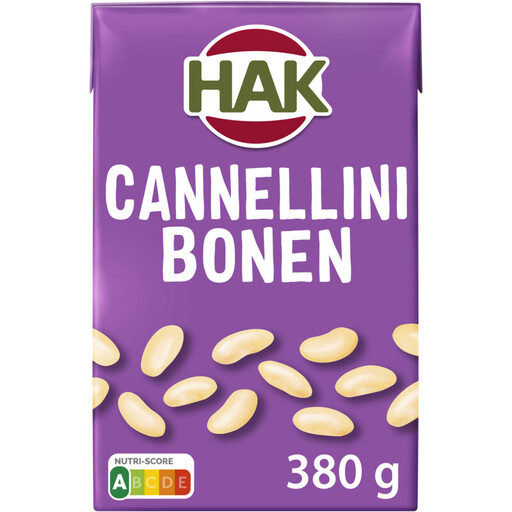
Why it suits this profile: The soft white bean is aimed at pasta, soups and salads. According to the product information, the ingredients list consists of white beans, water, salt and a firming agent.
The type of bean and intended uses are clearly stated, so you won't confuse a plain bean with a ready-made sauce.
380g per pack; according to the product information, 8g of protein and 15g of carbohydrates per 100g.
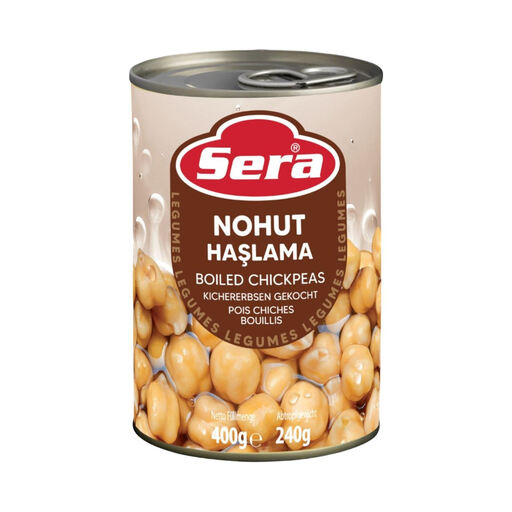
Why it suits this profile: A practical base for hummus, meal salads, stews and Mediterranean or Turkish dishes.
The chickpeas are already cooked according to the product description. So you don't need to soak dried pulses or cook them for a long time.
400g per tin; according to the product information, 8g of protein per 100g and suitable for multiple preparations.
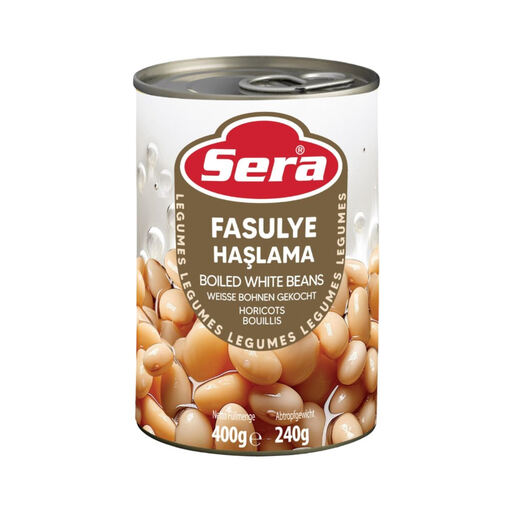
Why it suits this profile: These cooked white beans are intended for Turkish dishes, soups, salads and side dishes.
The ingredients list states white beans, water and salt, with no artificial colours or preservatives according to the product description.
400g; according to the stated nutritional values, 83 kcal, 5g of protein and 4g of fibre per 100g.
We've put together a full, up-to-date list of products that fully meet these strict selection criteria and current European safety regulations.
For a salad, white beans, cannellini beans, chickpeas or broad beans work well. Add cucumber, tomato, red onion and a dressing. For chilli, kidney beans, black beans and brown beans are a good choice. Add tomatoes, peppers, onion and spices, and heat through briefly.
If you don't want to make a separate sauce, choose a variety like Heinz Tomato Beans or Sera White Beans in Tomato Sauce. Pay extra attention to salt, sugar and fat, as the sauce significantly affects the nutritional values and flavour.
Not always, but rinsing can remove excess moisture, salt and the flavour of the preserving liquid. With beans in tomato sauce, rinsing usually doesn't make sense, because the sauce is part of the dish.
Store opened beans covered in the fridge and follow the time stated on the packaging. If there's no clear time, use them promptly and check the smell, colour and texture before use.
Many plain varieties consist of beans, water and salt, so they fit into vegetarian or vegan dishes. Always check the ingredients list and allergen information. Sauces, flavourings or additives can vary by brand and product.
