
Vandaag of morgen in huis

Kwaliteit gegarandeerd

Welkomstaanbiedingen ontgrendelen: GRATIS bezorging | Tot 80% korting | Gratis 30 dagen JoyPlus-proefperiode
Download de app
Anyone looking to buy instant noodles will quickly come across dozens of varieties: Asian instant noodles, ramen noodles, cups, packets and bulk packs. The differences are not limited to flavour. Preparation time, portion size, allergens and storage requirements also determine whether a product is right for you.
An attractive package does not always tell the whole story either. So pay particular attention to the verifiable information on the product page and the label.
A box of 30 packets may seem good value, but first check the weight per portion. A pack of 30 × 79 grams is not the same as 30 × 100 grams. Convert the price to the price per 100 grams or per portion. This makes it easier to compare Nissin, OMACHI and other brands fairly.
A bulk pack is particularly practical for families, shared student houses, canteens and food service. If you want to try a flavour first, a 5-pack is often the wiser choice.
The description beef noodles or beef flavour does not automatically tell you how much meat the product contains. Some products use beef flavouring, stock powder or aroma. Check the ingredients list if you are specifically looking for beef. For example, Hefu Herbal Beef Noodles lists a separate beef packet. In other products, the beef is simply a flavouring in the soup base.
Claims about a brand’s flavour or quality are not an independent guarantee either. A brand may make certain flavour or quality claims based on its own research, so base your choice on the ingredients, weight and preparation method.
If you are looking for halal instant noodles, it is worth checking that halal certification is actually shown on the packaging or product information. Bai Xiang Delicious Spicy Beef Noodle Soup, for example, is listed as halal-certified. Always check the current packaging and ingredients when your order arrives.
Also look out for hidden allergens. Many instant ramen products contain wheat, gluten, soya and sesame. Some varieties also contain fish, shellfish, egg, milk, peanuts or celery. ‘Spicy instant noodles’ may also contain chilli oil and several seasoning sachets; the intensity varies from one recipe to another.
First, consider when you plan to use the product:
Check whether the pack contains packets or instant noodle cups. A cup is convenient, but takes up more space and may cost more per portion.
Most instant ramen is ready in around 3 to 5 minutes. However, there are some differences:
Follow the preparation instructions on the packaging. Raw or undercooked noodles are not intended to be eaten straight away.
Under EU rules, major allergens must be clearly indicated in the ingredients list. Look in particular for bold terms such as wheat, soya, sesame, fish, egg, milk, peanuts, shellfish and celery.
Also compare the nutritional information per 100 grams and per portion. Salt levels can vary considerably. In products with several sachets, such as soup base, oil and seasoning, most of the salt may be in the flavourings. You can choose not to use all the sachets, but if you have allergies, always refer to the complete ingredients information.
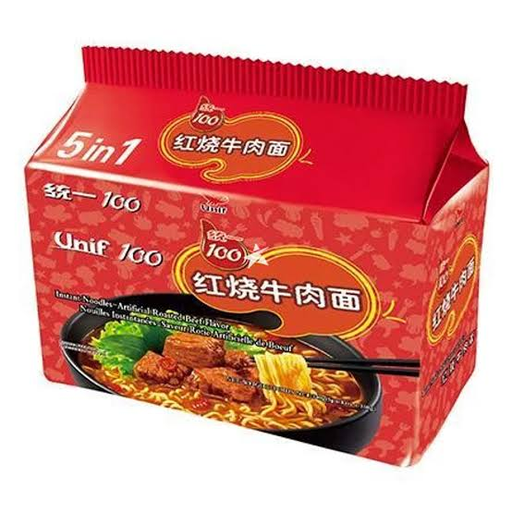
Why it suits this profile: A straightforward 5-pack with 100-gram packets is suitable if you want to try Chinese instant noodles without immediately building up a large stock.
The pack size makes it easier to compare than a box containing 20 or 30 portions. The ingredients list identifies wheat and soya as allergens.
100 grams per packet, five individual portions and a preparation time of approximately five minutes according to the product information.
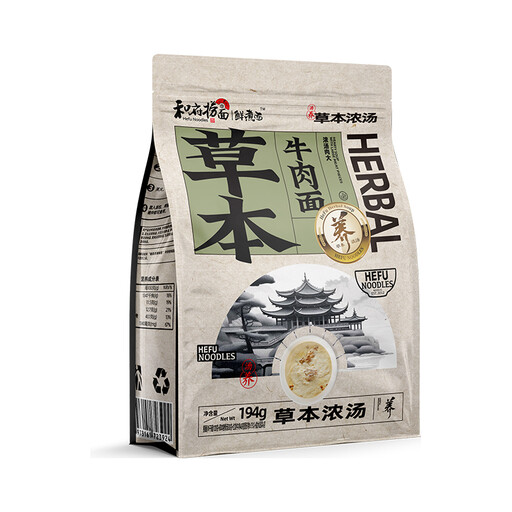
Why it suits this profile: This larger portion combines semi-dried noodles with a soup base, beef packet and vegetables. It is well suited to anyone who appreciates more preparation and extra toppings.
The product specifies its separate components and a cooking time of 3 to 4 minutes. Do check the listed allergens: wheat and soya.
194 grams per pack, a beef packet and a vegetable packet; the nutritional information lists 18.4 grams of protein per portion.
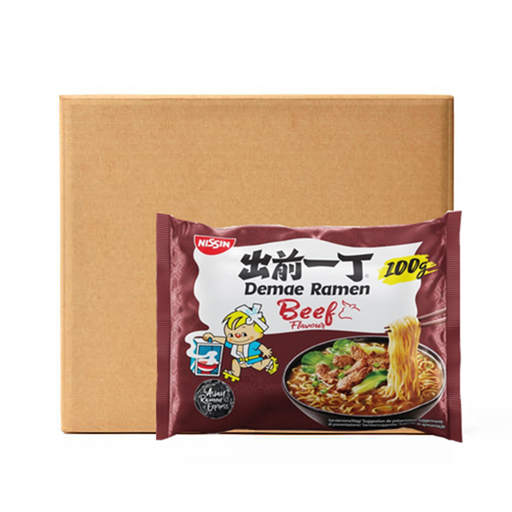
Why it suits this profile: A box containing 30 portions is ideal for families, offices, clubs and food service customers who regularly need a supply of ramen noodles.
The product information lists 30 individual 100-gram packets and preparation in just a few minutes. Check the current best-before date before buying.
Bulk pack weighing 3 kilograms in total, individual portions and, according to the description, no artificial colourings.
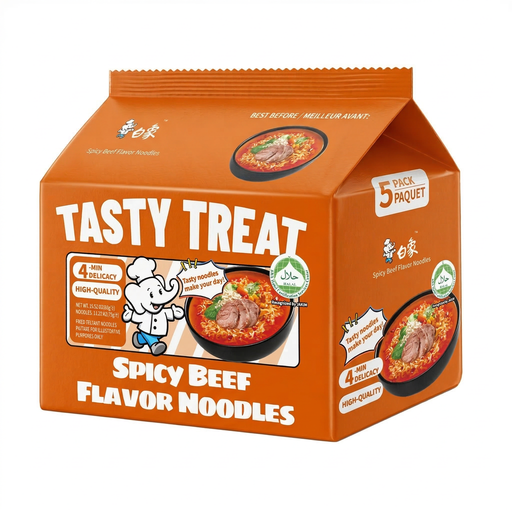
Why it suits this profile: A 5-pack for anyone looking for a spicy beef flavour and who considers halal information important when choosing instant ramen.
The product information states that it is halal-certified and identifies gluten, soya, sesame and celery as allergens. Check the current packaging on delivery.
Five 88-gram portions, a vegetable sachet, spicy soup base and preparation in 3 to 4 minutes with approximately 500 ml of boiling water.
We have put together a complete, up-to-date list of products that fully meet these strict selection criteria and the applicable European safety regulations.
Check the best-before date on the packaging. Store dry noodles in a cool, dry place away from direct sunlight. Protect cups and opened packaging from moisture. Do not use damaged packaging and always follow the information on the label.
They are designed to be prepared in a few minutes, but nutritional value and portion size vary from one product to another. You can add vegetables, egg or another topping if it suits your diet. If you have allergies, check all the sachets and ingredients first.
No. Korean ramen ranges from mild to extremely spicy and can also come in seafood or beef flavours. The term ‘ramyun’ mainly refers to the product style, not to one particular level of spiciness. Check the ingredients for chilli, chilli oil and pepper before ordering.
