
Vandaag of morgen in huis

Kwaliteit gegarandeerd

Welkomstaanbiedingen ontgrendelen: GRATIS bezorging | Tot 80% korting | Gratis 30 dagen JoyPlus-proefperiode
Download de app
Instant noodles are handy for students, busy workdays, quick lunches or when cupboard space is limited. However, products vary considerably in flavour, preparation, portion size and nutritional value. Eye-catching packaging or a description such as “full of flavour” does not automatically tell you what you are getting.
With this guide, you can compare Asian instant noodles, Chinese instant noodles, Korean ramen, Indonesian noodles and rice noodles based on verifiable product information.
An instant noodle multipack may look appealing, but first check the weight per portion. A box with 12 cups of around 100 grams is not necessarily better value than five 80- or 100-gram packets. Compare the price per 100 grams and consider how much storage space you have.
A large value pack is particularly practical when you already know you like the flavour. With a new variety, a smaller pack may be the wiser choice.
With many beef-flavour noodles and chicken noodles, the flavour refers to the seasoning or stock powder. So check the ingredients list. Products may contain dehydrated vegetables, soya protein or flavourings, for example, without actually containing meat.
According to the product information provided by some brands, the flavour is created using ingredients including soy sauce, herbs, yeast extract and flavour enhancers. Treat such brand descriptions as product information, not independent evidence of a particular taste experience.
Spicy noodles may contain several sachets: oil, chilli paste, powder and sometimes vinegar. If you use everything, the flavour may be more intense than expected. Also check the salt content per 100 grams or per portion. The product data provided shows that these values vary considerably.
Extra care is needed if you have allergies. Many varieties contain wheat, gluten, soya and sesame. Some products also list peanuts, milk, mustard or crustaceans as ingredients or possible sources of cross-contamination. Always check the packaging you receive.
Not every quick meal works in the same way:
So check whether you have access to a hob, a kettle or simply need hot water. This determines whether a product is suitable for the office, student accommodation or eating on the go.
A packet is compact and often easy to store. A cup or bowl is more convenient when you do not want to use your own bowl. Pay attention to the contents:
With a multipack, it is sensible to compare the net quantity, portion size and best-before date. Store instant noodles in a cool, dry place, away from direct sunlight, and follow the instructions on the packaging.
Pay attention to the noodle base: wheat flour, rice flour, palm oil, starch and any gluten. Rice noodles are not automatically free from allergens; some flavour sachets may contain soya, wheat or milk, for example.
Also compare:
If you want to make the meal more substantial, add egg, tofu, mushrooms, pak choi or leftover vegetables, for example. This changes the original nutritional values, but makes the quick meal better suited to your own eating occasion.
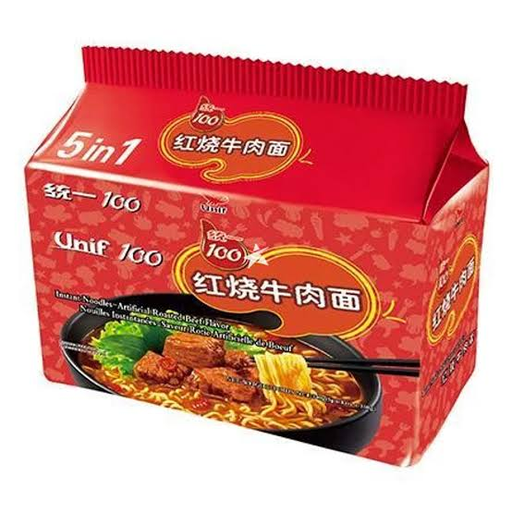
Why it suits this profile: A straightforward five-pack with 100-gram packets for anyone wanting to try a classic beef flavour without buying a large box straight away.
The five-pack reduces the risk of ending up with an unwanted large pack. The product information lists wheat and soya as allergens and provides preparation time and nutritional values.
Five individual portions, 100 grams per packet and, according to the description, ready in around five minutes.
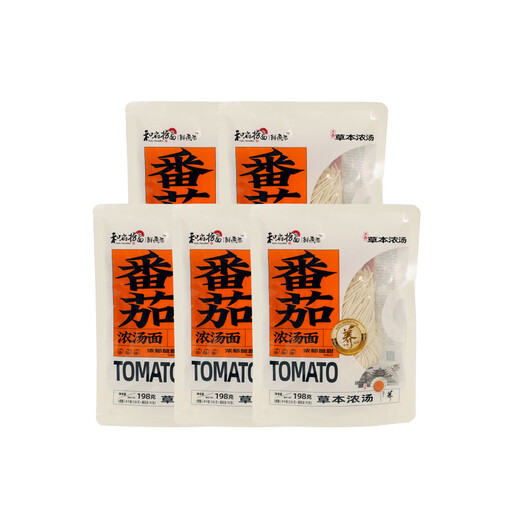
Why it suits this profile: Suitable for anyone looking for a larger portion and a distinctive tomato soup base instead of a standard chicken or beef flavour.
The product description states 198 grams per portion and 40% tomato purée in the soup base. This makes the flavour profile clearer than a general claim on the front of the pack.
Five individual packs, semi-dried noodles and a tomato soup base with a specified proportion of tomato purée.
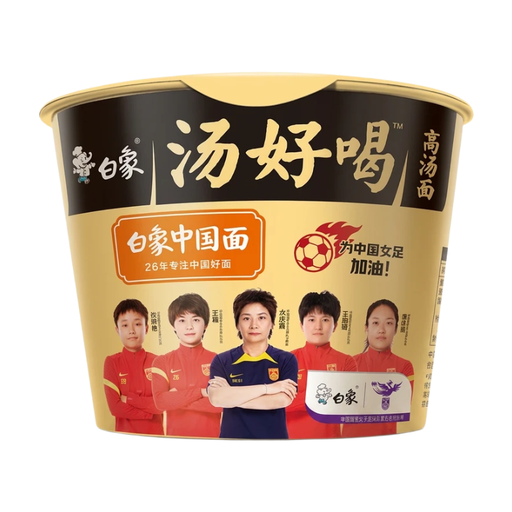
Why it suits this profile: A multipack of noodle cups for households, offices or spicy-noodle lovers who regularly need a portion.
The preparation method is simple: add around 500 ml of boiling water and leave to stand for three to five minutes. The allergen list includes wheat, soya, peanuts and sesame.
12 107-gram cups, several flavour sachets and preparation that does not require a pan.
For dry, sweet-and-savoury flavours, Indonesian noodles such as Indomie Mi Goreng are a natural choice. The packaging contains sweet soy sauce, oil, seasoning powder and chilli powder, among other ingredients. You boil the noodles, drain them and mix everything together.
If you prefer a wheat-free base, you can consider rice noodles, but always check the flavouring’s full ingredients list. The Acecook Oh! Ricey varieties are offered in a box of 24 portions. Korean ramen fans can choose from stir-fried kimchi noodles and spicy varieties, among others. With these products, preparation time and the amount of sauce used determine the result.
We have put together a complete, up-to-date list of products that fully meet these strict selection criteria and the applicable European safety regulations.
Follow the instructions on the packaging. This may involve cooking in a pan, soaking in a cup or mixing with sauce without stock. Use the stated amount of water and do not prepare the product raw when the packaging says it needs to be cooked.
The best-before date is shown on the packaging. Store unopened products in a cool, dry place away from direct sunlight. Use opened packs immediately or seal them properly according to the manufacturer’s instructions.
They are often practical and relatively affordable, but compare the price per 100 grams rather than just the pack price. A large multipack may work out cheaper per portion, while smaller packets carry less risk when you have not tried a flavour before. Also consider the extra cost of toppings such as egg, tofu or vegetables.
