
Vandaag of morgen in huis

Kwaliteit gegarandeerd

Welkomstaanbiedingen ontgrendelen: GRATIS bezorging | Tot 80% korting | Gratis 30 dagen JoyPlus-proefperiode
Download de app
Are you looking to buy instant ramen for a quick lunch, your store cupboard or a late-night snack? You’ll soon come across a huge range of Japanese ramen, Korean ramen, cup noodles and Asian noodles. The packaging often tells you about the heat, creaminess or a particular flavour. But it’s actually the portion size, preparation method and allergens that determine whether you’ll make a purchase you’ll be happy with.
Terms like “carbonara”, “miso” or “tonkotsu” mainly describe the flavour profile. They don’t automatically tell you how much soup, sauce or toppings you’ll get. A sachet of ramen might be designed to be cooked with very little water, while a cup is eaten as a soup. So always check the preparation method and the net weight.
The label “mild” isn’t a standard European heat scale. According to the product description, Ottogi Jin Ramyun Mild contains red pepper and chilli extract, among other ingredients. If you’re not used to spicy food, it’s best to also check the ingredients and user information. With spicy ramen like Buldak, the heat is a key part of the product, but the intensity can vary between flavour variants.
A ramen multipack is handy if you eat noodles regularly, but pay attention to the total weight. A pack of five 130g portions isn’t directly comparable to a box of twelve 174g sachets. Divide the price by the number of portions or by the total weight. That way, you can compare individual packs more fairly.
Always check the amount of water, cooking time and whether the seasoning powder is added before or after cooking. The instructions on the packet are your guide.
Japanese ramen often has a soy, miso or tonkotsu base. Miso ramen typically has a savoury flavour from fermented soya beans. Tonkotsu ramen refers to a flavour style with a pork-bone-style broth. The exact recipe varies by brand.
Korean ramen is more often known for its bold seasoning and firm noodles. Buldak ramen is usually mixed with sauce rather than eaten as a large amount of soup. Kimchi ramen and seafood ramen often combine chilli with fermented or savoury notes. So don’t just look at the name – check the preparation method and ingredients list too.
Many instant noodles contain wheat and soya. Depending on the flavour, milk, sesame, celery, fish, shellfish or egg may also be present. MAMA Shrimp Tom Yum, for example, lists wheat, prawns, fish and soya among its allergens. Always check the packaging if you have an allergy or intolerance; product information can change.
Also pay attention to:
A product with a low weight isn’t automatically a complete meal. You can add pak choi, mushrooms, tofu, egg or leftover chicken to your instant noodles. That will change the nutritional value and preparation time, though.
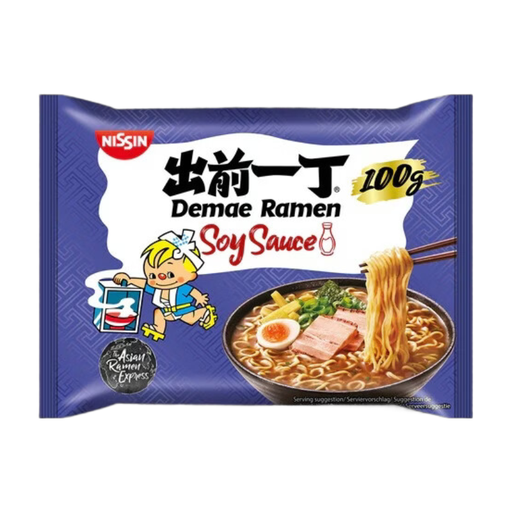
Why this fits the profile: A 100g sachet is reasonably priced and ideal for trying a flavour for the first time. According to the product description, the Tokyo Soy variant has a savoury soy sauce base and can be prepared in just a few minutes.
The portion size and preparation method are clearly described. That means you won’t buy a large multipack before you know whether the soy flavour is right for you.
100g per pack, no artificial colours according to the product information, and suitable for serving with extra toppings.
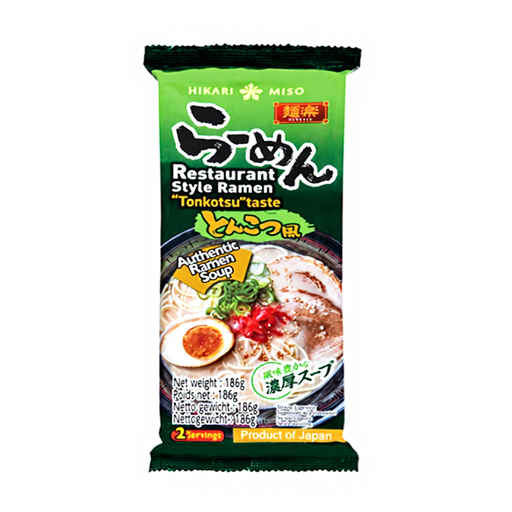
Why this fits the profile: According to the product description, this pack combines miso with a tonkotsu flavour base. The larger portion gives you room to add toppings like spring onion, egg or vegetables.
The flavour name and ingredients make it clear that soya and wheat are present. This means you can check in advance whether the recipe suits your needs.
186g per pack, miso and tonkotsu flavour in one product, and a stated preparation method for a quick meal.
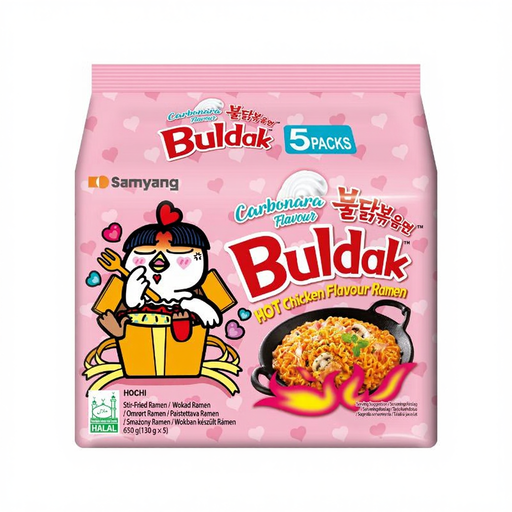
Why this fits the profile: This multipack is aimed at fans of bold, spicy Korean ramen with a creamy carbonara flavour. Five 130g portions are practical for regular use.
The product information clearly states the portion size, milk, soya and wheat allergens, and the spicy flavour profile. That makes it easier to compare with milder ramen.
Five 130g packs, firm noodles according to the product description, and a combination of spicy sauce and carbonara powder.
We’ve put together a full, up-to-date list of products that fully meet these strict selection criteria and comply with current European safety regulations.
The best-before date is on the packaging. Store instant noodles in a cool, dry place away from direct sunlight. Don’t use a pack if it’s damaged. With a multipack, it’s a good idea to use the oldest pack first.
That depends on the portion size and your personal eating habits. Many packs contain mainly noodles and seasoning. If you want a more substantial meal, you can add vegetables, egg, tofu or another source of protein.
Japanese ramen often has a refined broth style, such as miso, soy or tonkotsu. Korean ramen frequently uses heavily spiced soups or sauces and often has firmer noodles. These are general flavour directions; always check the ingredients, preparation method and heat level of the specific product.
