
Vandaag of morgen in huis

Kwaliteit gegarandeerd

Welkomstaanbiedingen ontgrendelen: GRATIS bezorging | Tot 80% korting | Gratis 30 dagen JoyPlus-proefperiode
Download de app
A pack of Asian instant noodles often seems simple enough: add water, wait a moment, and you're ready to eat. Yet Chinese noodles, Korean ramen, Japanese udon and Thai noodles differ greatly in preparation, portion size, flavour and ingredients. If you rely only on the packaging or a striking flavour name, you could end up buying a product that's too spicy, doesn't suit your diet, or requires more preparation than expected.
Some products are ready-to-eat and only need mixing or heating. Other instant ramen and rice noodles need to be boiled for 8 to 12 minutes. Always check the preparation method:
A product intended for a quick lunch is less practical if you have to boil and weigh several sachets beforehand.
Words like "fresh chili", "red oil", "mala" and "hot chili" indicate a pronounced flavour, but they don't provide a uniform scale for spiciness. With some packs, you can add the chili oil separately. This makes the flavour more adjustable. With other products, the seasoning is already fully incorporated into the sauce.
Also pay attention to ingredients such as Sichuan pepper, pickled bamboo shoots, fermented tofu, peanuts and coriander. These not only determine the flavour but can also be decisive when it comes to allergies or personal preferences.
A 270 g pack might be one generous meal, but nutritional values are often listed per 100 g. With a multipack, such as Nongshim Neoguri Ramyun at 120 g x 20, the portion per sachet is what matters most. So compare:
Wheat noodles, udon and wide noodles generally contain gluten and have a firm, chewy bite. Rice noodles are a different category and are often used in noodle soup, Luosifen or stir-fries. Mung bean starch vermicelli is thinner and suitable for salads, soups and spring rolls, among other things.
Don't just look at the product name; also check the preparation instructions. For a microwave product, you'll need a microwave-safe bowl. With a noodle soup, you should allow for around 400 to 500 ml of water.
Check the bold allergens on the packaging. In this product category, you'll commonly find wheat, gluten, soya, peanuts, sesame, mustard and sulphites. Even a product with rice noodles can contain peanuts, soya or fermented tofu through the sauce and toppings.
If you eat vegetarian or vegan, you should also review the full ingredients list. A product might contain chicken fat, fish derivatives or meat stock. Information on a webshop may differ from the current packaging. So always read the label, warnings and preparation method before use.
A comparison per 100 g is helpful, but it doesn't tell you everything about the final meal. A product with several sauce and topping sachets can turn out differently after full preparation compared to the noodles alone. Pay particular attention to:
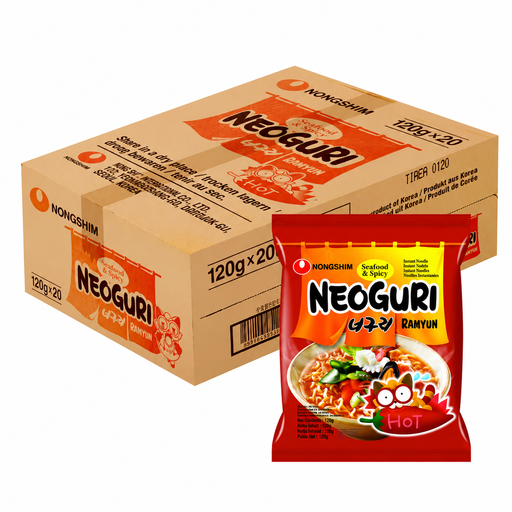
Why this fits the profile: A multipack with 20 individual portions is practical for students, shared households and fans of Korean ramen.
The preparation method is straightforward: boil water and simmer for 4 to 5 minutes. The packaging does list several allergens and a spicy flavour, so checking beforehand is still necessary.
20 portions, 120 g per sachet and a clear cooking time of 4 to 5 minutes.
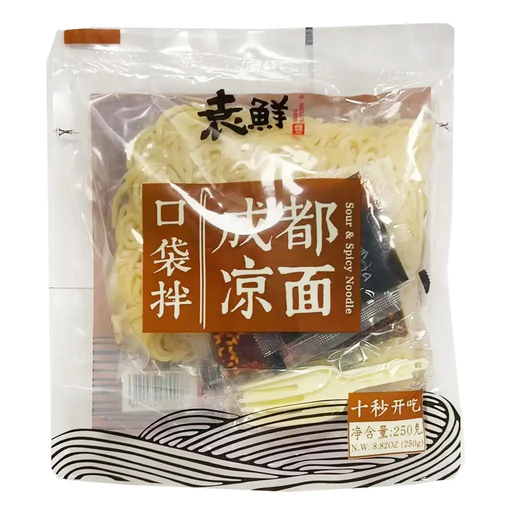
Why this fits the profile: For fans of Sichuan noodles who want to try a cold preparation with chili oil, vinegar and Sichuan pepper.
The product description makes it clear that the noodles are already pre-cooked and are mixed with the sauce. This means no pan is needed, although you should be aware of peanut, sesame, soya and wheat.
250 g per pack and a blend of spicy, sour and savoury flavour components.
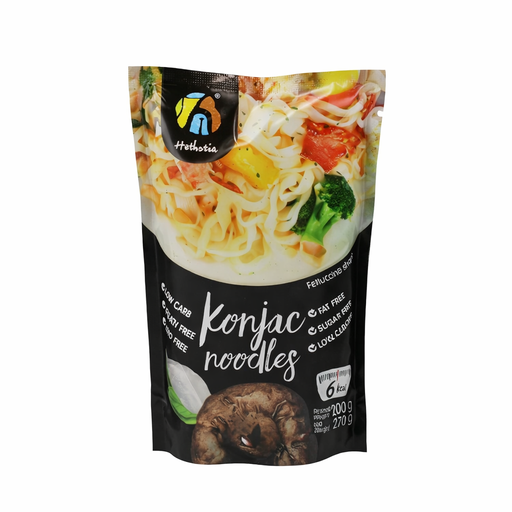
Why this fits the profile: An option for those looking for konjac noodles as a base for carb-conscious meals, stir-fries or pasta sauces.
The nutritional information states 1.3 g carbohydrates and 6 kcal per 100 g. Do check the current packaging and prepare the product according to the instructions: drain, rinse and heat briefly.
270 g per pack, neutral flavour and, according to the product information, no listed allergens.
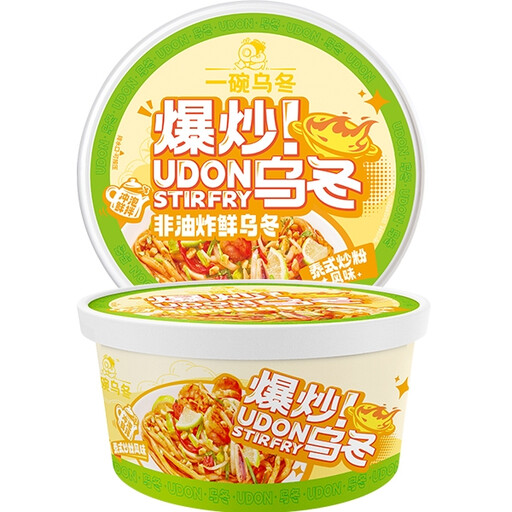
Why this fits the profile: Ideal for busy households who want a hot meal with udon texture and a sweet-sour Thai flavour ready in just a few minutes.
The preparation is clearly described: add approximately 20 ml of water and heat for 2 to 3 minutes at 700–800 W. Watch out for wheat, soya, peanuts and sesame.
Microwave preparation in 2 to 3 minutes and a 270 g portion.
We've put together a full, up-to-date list of products that fully meet these strict selection criteria and comply with current European safety regulations.
It varies by product. Boil ramen and rice noodles according to the stated time, soak wide noodles in boiling water, or heat ready-to-eat udon in the microwave. Only add the sauce and toppings when the packaging instructs you to.
Unopened products can be stored until the best-before date on the packaging, provided they are kept in a cool, dry place away from direct sunlight. Once opened, many products need to be consumed immediately. According to the product information, konjac noodles should be refrigerated after opening and used within two days.
Not automatically. Always check the ingredients and allergens. For carb-conscious meals, konjac noodles can fit within your desired dietary choices; the complete meal then depends on the sauce and toppings. For vegetarian or vegan eating, stock, chicken fat, fish derivatives and fermented ingredients are particularly important points to check.
