
Vandaag of morgen in huis

Kwaliteit gegarandeerd

Welkomstaanbiedingen ontgrendelen: GRATIS bezorging | Tot 80% korting | Gratis 30 dagen JoyPlus-proefperiode
Download de app
Instant noodles are ideal for a quick lunch, late-night snack or low-effort store-cupboard staple. However, Korean ramyeon, Japanese ramen and other Asian instant noodles can vary considerably in flavour, portion size, packaging and nutritional values. Eye-catching packaging does not always tell you what you actually need.
As a Joybuy Product Recommendation Officer, I mainly filter products based on verifiable information: preparation method, contents, allergens, nutritional values and number of portions. This helps you avoid paying for a multipack that does not suit your eating habits.
Terms such as “hot”, “spicy” and “Buldak” give you an indication, but there is no universal European scale for comparing the heat level of every brand. A sauce variety such as Samyang Buldak Carbonara may be experienced differently from a spicy noodle soup with chilli powder.
So check whether the product contains a sauce, soup base or separate seasoning sachet. With dry noodles, the flavour often remains more concentrated, while with instant noodle soup you can adjust the amount of stock and water more easily.
A box containing 20, 24 or 40 portions may seem appealing, but consider:
A noodle multipack is particularly practical for households, student accommodation, offices and regular noodle eaters. If you prefer more variety, smaller packs are the wiser choice.
The product packaging may contain more or different information than an online product page. Always check the label for ingredients, allergens, preparation instructions, country of origin and best-before date. This is especially important for products containing wheat, soya, milk, fish, crustaceans, peanuts, mustard or sesame.
Korean ramyeon is often known for a rich stock or spicy sauce. According to the product description, Nongshim Shin Ramyun has a seasoned soup base containing, among other ingredients, chilli, garlic and vegetables. Nongshim Kimchi noodles combine an instant noodle soup with kimchi flakes and dried vegetables.
With Japanese ramen, you are more likely to find varieties with a milder, savoury base, such as miso ramen or tonkotsu. According to the ingredients list, Hikari Miso Restaurant Style Ramen Tonkotsu Taste uses ingredients including miso, pork extract, garlic and onion. Hikari Miso Ramen Miso Taste contains a miso base with soya and sesame.
If you want a noodle dish without much stock, look at Indomie noodles or other varieties containing seasoning powder, oil and sauce. These are suitable for dry preparation, where you mix the noodles with the flavourings after cooking.
An individual pack of approximately 70 to 140 grams is intended for one serving, but the amount of water and cooking time vary from product to product. Examples from the range include:
Always use the amount of water stated on the packaging. Too much water makes the soup bland; too little can make the flavour too salty or overly concentrated.
Instant noodles usually contain a lot of carbohydrates and can be relatively high in salt. Values vary by product and are often listed per 100 grams. For example, the product information for Nongshim Kimchi Instant Noodle Soup states that it contains 11.3 grams of salt per 100 grams of dry product, while other varieties indicate lower or higher values.
So do not compare calories alone. Also check:
You should also check allergens carefully. Chicken noodles may contain wheat and soya, while prawn or seafood varieties may also contain fish, crustaceans or egg. “Vegetarian” does not automatically mean free from milk, soya, gluten or possible traces. Always check the current label.
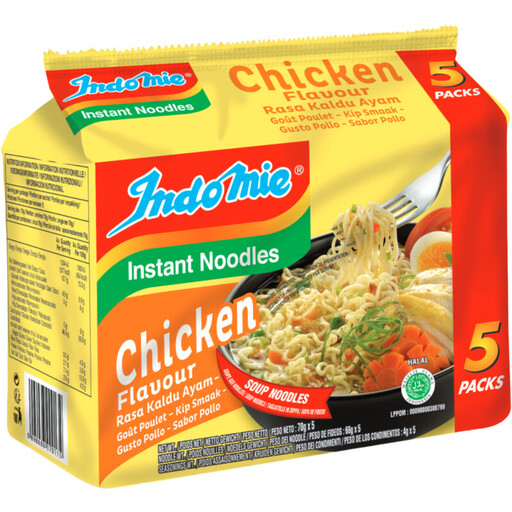
Why it suits this profile: A pack containing five portions is a manageable choice for anyone wanting to try instant noodles without buying a large box.
The smaller size reduces the risk of ending up with unused stock. The product information lists chicken seasoning, a 70-gram portion and wheat as an allergen.
Five individual portions, chicken flavour and easy preparation as a soup or snack.
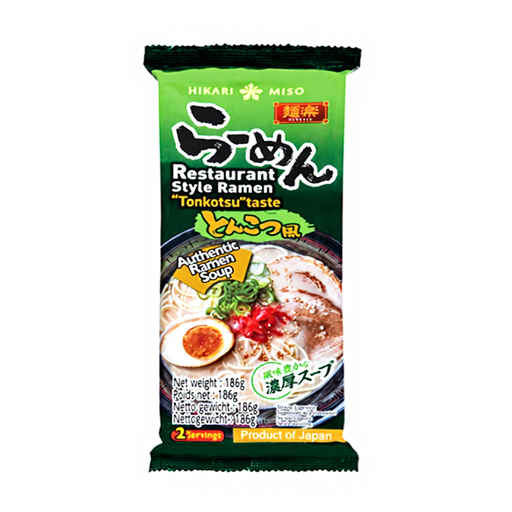
Why it suits this profile: A good choice for anyone looking for a more developed flavour profile with miso and tonkotsu rather than just a simple seasoned stock.
The product information clearly lists the ingredients and allergens: wheat and soya are present; egg and sesame may be present.
186-gram ramen, miso and tonkotsu flavour and, according to the product description, no artificial colourings or preservatives.
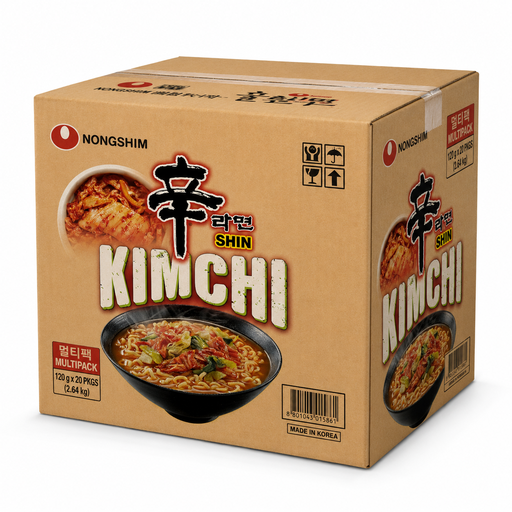
Why it suits this profile: A box containing 20 portions is well suited to offices, student accommodation and households that regularly eat Korean instant noodles.
The contents are clear from the outset: 20 individual portions of 120 grams. This makes it easier to estimate the cost per portion and the storage space required.
Kimchi flavour, dried vegetables and a large box size. The ingredients list includes wheat and soya, among other ingredients.
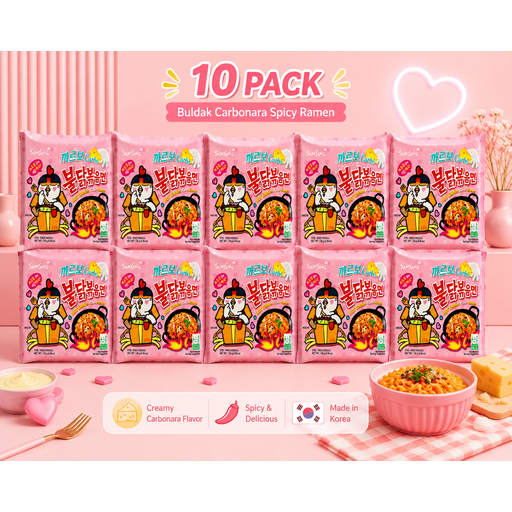
Why it suits this profile: The combination of a spicy chicken base and carbonara-style sauce is aimed at consumers looking for a bold, creamy flavour.
The pack contains 10 portions of 130 grams. The sauce and powder are added separately, allowing you to adjust the intensity to some extent.
10 individual portions, carbonara-style powder and a product weight of 130 grams per pack. Contains gluten, soya and milk.
We have compiled a complete, up-to-date list of products that fully meet these strict selection criteria and the applicable European safety regulations.
For cup noodles, add boiling water up to the indicated line. Close the cup and leave the noodles to stand for the time stated on the packaging, usually around three minutes. For sachets, you can use a heatproof bowl. Always follow the instructions on the current label.
The best-before date is stated on the packaging and may vary from product to product. Store instant noodles in a cool, dry place away from direct sunlight. Do not use damaged packaging. Once opened, it is best to use individual seasoning or sauce sachets straight away.
That depends on your overall diet and the variety you choose. Instant noodles are convenient, but they are often relatively high in salt and do not always provide many vegetables. You can add ingredients such as egg, tofu, pak choi or other toppings to a bowl, without assuming that this automatically makes the meal balanced. If you have allergies or specific dietary requirements, always check the label first.
