
Vandaag of morgen in huis

Kwaliteit gegarandeerd

Welkomstaanbiedingen ontgrendelen: GRATIS bezorging | Tot 80% korting | Gratis 30 dagen JoyPlus-proefperiode
Download de app
Instant noodles are handy for a quick lunch, a well-stocked office cupboard or a warm meal after a long day at work. However, not every pack is equally suited to your situation. A small single-serving bag works differently from a multipack of 20 or 30 portions. Korean instant noodles, Japanese ramen, rice noodles and stir-fry noodles also differ significantly in preparation, flavour and allergens.
Words like “spicy”, “chicken”, “beef” or “teriyaki” don’t always tell you how much heat or salt to expect. Always check the ingredients list and nutritional information. For example, Nongshim Shin Ramyun contains red pepper in its seasoning mix. With Nissin Soba Chilli, chilli is listed in the flavouring. The intensity can vary from product to product.
A box of 20 bags may look like good value, but pay attention to the weight per portion. The Nongshim Shin Ramyun Spicy Chicken contains 20 bags of 120 grams each. A cup variant might contain 64 or 92 grams. For a light snack, a smaller portion is practical; for a full meal, a 120-gram bag is likely a better fit.
Also check the best-before date on both the individual packs and the outer packaging. Don’t buy any product where the packaging is damaged.
Many Asian noodles contain wheat and gluten. In addition, soya, sesame, milk, fish, shellfish, celery and mustard frequently appear in seasoning powders and sauces. Always read the label, especially with Korean instant noodles and flavours such as prawn, miso or chicken.
When comparing, look at the values per 100 grams as well as per portion. This stops a small portion from looking more favourable than a larger bag. Salt, fat and energy can vary significantly between brands and flavours.
A short preparation time doesn’t always mean every variant is made the same way. Nongshim Shin Ramyun, for example, requires around 4 to 4.5 minutes of boiling with approximately 550 ml of water. Nissin Demae Ramen can be prepared in about 3 minutes with boiling water. Cup noodles are convenient for the office or on the go, because the measuring cup is already built into the packaging.
Follow the instructions on the current label. Product packaging can change.
A bag takes up little space and is often practical for home. A cup is more convenient when you don’t want to use a pan or bowl. A large multipack of instant noodles suits student houses, families, canteens and business supplies, but does require enough dry storage space.
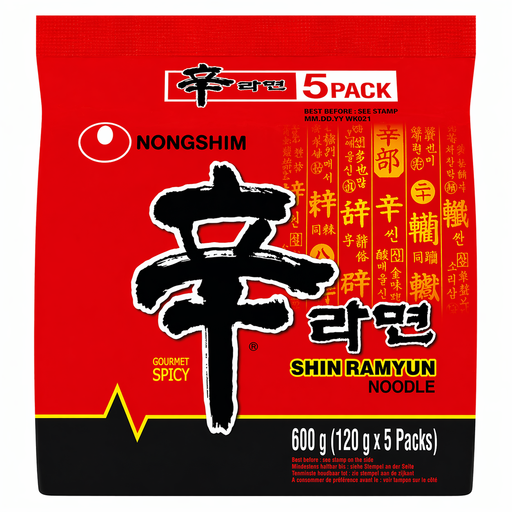
Why this suits this profile: A pack of five individual portions is easy to manage for students or if you want to try a Korean spicy noodle without committing to a large box straight away.
The number of portions and the weight per bag are clearly stated. Do check the current allergen information on the packaging yourself.
120 grams per bag, wheat noodles and a preparation time of around 4 to 5 minutes according to the product information.
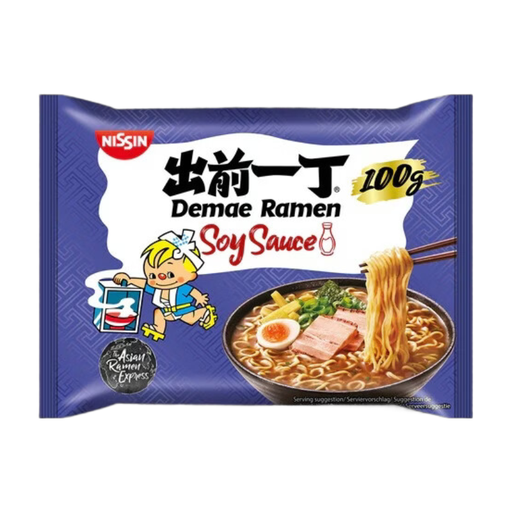
Why this suits this profile: The Tokyo Soy variant is designed for a savoury soya sauce flavour and comes as an individual portion for home, work or a quick evening meal.
The product description states a portion of 100 grams and a preparation time of just a few minutes. This lets you estimate the portion size in advance.
Wheat noodles with soya sauce powder and sauce; according to the product information, contains gluten, soya and celery.
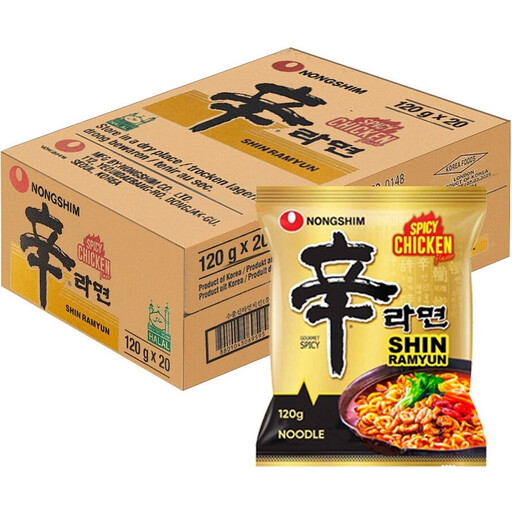
Why this suits this profile: A box of 20 individual bags is practical for shared households, offices and business supplies.
The multipack makes the number of portions and total weight clear. Check beforehand that you have enough dry, cool storage space.
20 portions of 120 grams, with wheat noodles, seasoning, soya paste and dried vegetables according to the product description.
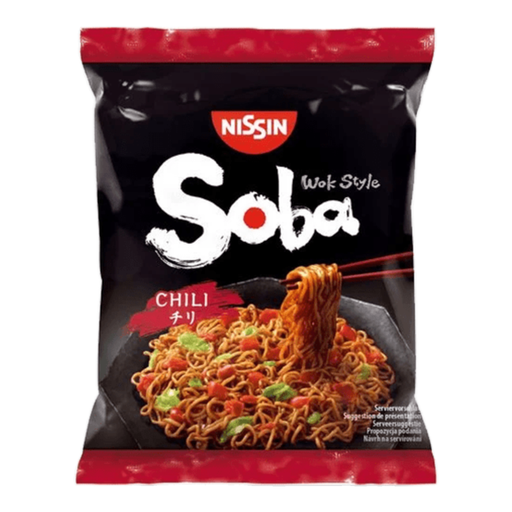
Why this suits this profile: These Japanese-style noodles combine wheat and buckwheat flour with a chilli seasoning and are ideal if you’re after a drier, spicy preparation.
The description explicitly mentions wheat and buckwheat flour. Check the label if you expect a true soba composition.
A portion of 110 grams with chilli seasoning; according to the product information, this variant contains gluten and soya.
Browse a current selection of noodles and compare flavours, portion sizes and packaging formats based on the product information.
With many bag variants, you can put the noodles and seasoning in a bowl and add boiling water. Then leave them to stand for a few minutes according to the label. Not every variant is designed for this; some products need to be cooked in a pan and then drained.
The exact date is on the packaging. Store unopened instant noodles in a dry, cool place, out of direct sunlight and away from moisture. It’s best to rotate a multipack: use the packs with the earliest best-before date first.
No. Always check the full ingredients list and allergen declaration. Some rice noodles contain soya, wheat or flavourings with gluten, for example. Don’t rely solely on the name “rice noodles” and read the current label before purchase and consumption.
