
Vandaag of morgen in huis

Kwaliteit gegarandeerd

Welkomstaanbiedingen ontgrendelen: GRATIS bezorging | Tot 80% korting | Gratis 30 dagen JoyPlus-proefperiode
Download de app
Want to buy Japanese sake, but feel overwhelmed by the options? You're not alone. The world of sake can seem daunting with terms like Junmai, Daiginjo, sweet, or dry. It's hard to know where to start, whether you're looking for a bottle to pair with sushi or just want to try something new.
As a Joybuy Product Recommendation Officer, my job is to help you make a clear choice. In this article, I'll provide practical guidance to find the right sake that suits your taste and occasion. We'll look at a few popular choices, from accessible sweet sakes to more traditional varieties, so you can order sake online with confidence.
Before you make a choice, it's helpful to understand a few basic principles. This will help you better understand the labels and choose a bottle you're likely to enjoy.
Sake is essentially a brewed beverage made from rice, water, yeast, and a mould called koji. The differences in flavour come from the rice variety, the degree to which the rice grains are polished, and the brewing methods.
Just like wine, sake ranges from very dry to noticeably sweet. A sweet sake often has fruity and floral aromas and is very accessible if you're just starting. Dry sake is typically crisper and more complex in flavour, pairing well with a wide range of dishes. If you're trying sake for the first time, a slightly sweet or fruity variety is a safe and enjoyable start.
The question of whether to drink sake warm or cold is a common one. The general rule is that premium, refined sakes (like many Junmai and Daiginjo types) are best enjoyed slightly chilled. This preserves their delicate aromas. Simpler, more robust sakes can also be served at room temperature or even gently warmed, which provides a completely different, often softer taste experience.
Based on product features and popularity, we've highlighted some interesting options for you.
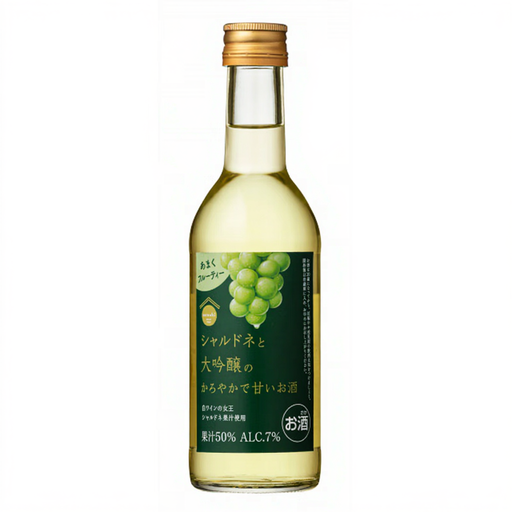
Why It Stands Out This is a unique beverage that combines the best of two worlds: the elegance of Japanese Daiginjo sake and the vibrant character of Chardonnay wine. The result is a harmonious, sweet drink with fruity and floral aromas.
Pros
Who It's For For the adventurous drinker who is open to something new and for beginners who prefer a sweeter, fruit-forward drink reminiscent of wine.
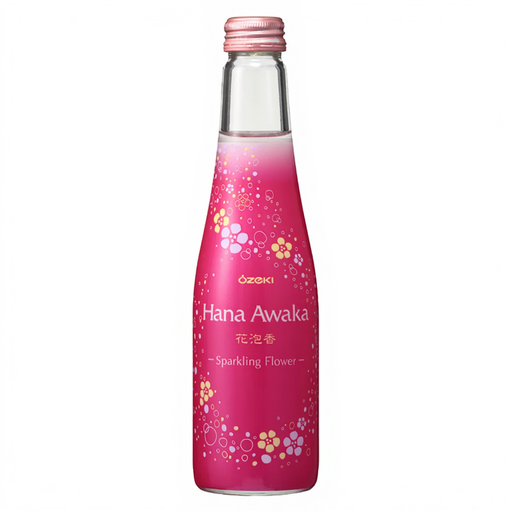
Why It Stands Out The name "Hana Awaka" means "sparkling flower," and that's exactly what you get. This sparkling sake is light, refreshing, and has a soft, natural effervescence. It's an extremely accessible and festive drink.
Pros
Who It's For An excellent choice for sake for beginners. Also ideal for anyone looking for a festive and easy-to-drink alternative to prosecco, for example.
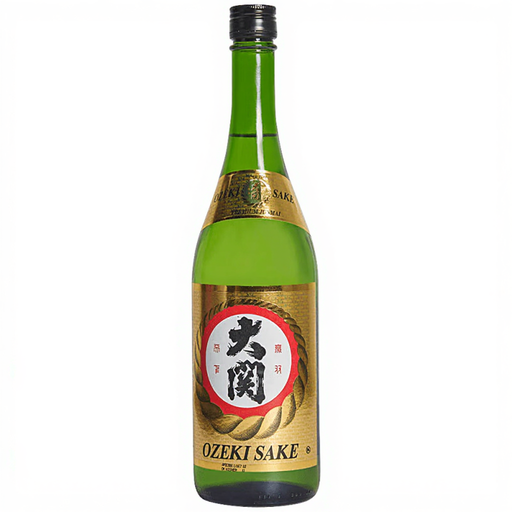
Why It Stands Out This is a classic example of a traditional Junmai sake. Brewed using the classic method without additives, this sake offers a pure and balanced taste. It's a versatile bottle that represents the essence of Japanese rice wine.
Pros
Who It's For For those who want to experience an authentic Japanese sake or are looking for a reliable, high-quality sake to pair with a meal. Also a great starting point for exploring the world of traditional sake.
These recommendations are a starting point to help you when buying sake. Taste is personal, and you might be looking for a different style, a specific brand, or another size.
Curious about more options? Check out our full assortment. You'll find a wide selection to explore further.
Discover more in our rice wine category.
In practice, there is no difference. "Sake" (酒) is the Japanese word for alcoholic beverages in general. Outside of Japan, we use the term specifically to refer to Japanese rice wine, the alcoholic beverage brewed from polished rice.
If you're new to sake, a sweet sake or a sparkling sake is often a pleasant introduction. These styles are typically lighter, fruitier, and therefore very accessible. The Ozeki Hana Awaka Sparkling Sake is a great example of this, thanks to its slightly sweet taste and refreshing bubbles.
That depends entirely on the type of sake. Premium, delicate sakes like Junmai or Daiginjo are usually served slightly chilled (around 10-15°C) to appreciate their complex aromas. Some more robust and full-bodied sake types can be delicious when gently warmed (not hot, around 40-45°C), which softens the flavours and provides a comforting experience. The label or product description often provides a serving recommendation.
