
Vandaag of morgen in huis

Kwaliteit gegarandeerd

Welkomstaanbiedingen ontgrendelen: GRATIS bezorging | Tot 80% korting | Gratis 30 dagen JoyPlus-proefperiode
Download de app
Anyone looking to buy Asian alcoholic drinks online will quickly find a wide selection with different alcohol percentages, flavours and pack sizes. Japanese sake for sushi calls for a different choice from flavoured soju for a party. Terms such as junmai, umeshu and makgeolli do not automatically indicate sweetness or strength.
The main pitfalls usually lie not in the appearance of the bottle, but in the product information.
A 180 or 300 ml bottle may seem suitable for one person, but the alcohol percentage can still be around 7 to 16%. Always check the alcohol percentage and volume first. A small format is convenient for trying something new, but it is not necessarily light in character.
Flavoured soju, Japanese plum wine and sweet rice wine often contain sugar or fruit flavours. This can make the drink taste approachable, while it still contains alcohol. Check the label for sugar content, alcohol percentage and ingredients before placing your order.
A multipack can be practical for a large group, but less suitable if you want to try different flavours. Conversely, a 180 ml bottle is not efficient when you are organising dinner for several guests. Compare the price per bottle and total volume, rather than just the pack price.
Japanese sake is made by fermenting rice with water, yeast and koji. According to the product information, junmai sake is made without added brewing alcohol. The flavour can be dry, full-bodied or lightly sweet. The word junmai therefore does not automatically mean that the sake is sweet or strong.
Dry sake often pairs well with sushi, sashimi and other dishes with a savoury or umami-rich flavour. Also check the serving instructions: some products can be served chilled, at room temperature or lightly warmed.
Korean soju is generally a clear drink made from a distilled grain base. Flavoured soju adds flavours such as strawberry, blueberry, watermelon, apple-mango or yoghurt. The range includes various options with 12% alcohol.
When choosing soju, pay particular attention to:
Makgeolli is a cloudy, fermented Korean rice wine with a creamy appearance and sometimes a lightly sparkling character. The varieties in the range contain between 3% and 6% alcohol. For example, a 3% peach variety is a different choice from a classic 6% makgeolli.
Only shake the bottle if the packaging instructs you to do so, and check the storage instructions. Refrigeration can be important for fermented drinks. Also check for allergens: some makgeolli products contain gluten-containing grains, including wheat or barley.
Umeshu, also known as Japanese plum wine, is usually sweet and fruity. The CHOYA Original Plum Wine in the range contains 10% alcohol and, according to the product description, is made with ume plums, sugar and distilled spirits.
Umeshu can be served chilled, over ice or as the base for a cocktail. If you are looking for a less sweet drink, dry sake may be a better choice than selecting solely by country of origin.
Chinese sweet rice wine is often made with glutinous rice, water and a fermentation starter. According to the product information, the Mi Popo varieties contain 1.2% alcohol. They can be served chilled or warmed, and can also be used in desserts or hot dishes.
With this type of drink, check carefully whether the product is intended as a drinkable rice wine, a cooking ingredient or both. The shelf life after opening may be short; one of the Mi Popo products states that it must be refrigerated after opening and consumed within three days.
Compare the percentage with the intended occasion. The range includes, among others:
A lower percentage does not mean you can drink without limits. Alcohol is still alcohol; drink responsibly and follow the Dutch rules on sales and consumption.
For trying something new or enjoying an individual serving, 180, 250, 300 or 375 ml are manageable sizes. For a dinner or party, 750 ml, 1.5 litres or multipacks may be more convenient. When buying multipacks, calculate the total quantity: twenty 350 or 360 ml bottles are intended for sharing or keeping in stock, not for a single tasting session.
Always read the current packaging. A product that does not contain any of the 14 major EU allergens is not the same as a product made on a completely allergen-free production line. For example, ChumChurum blueberry soju lists wheat in its ingredients information, while other products state that they contain none of the 14 major EU allergens.
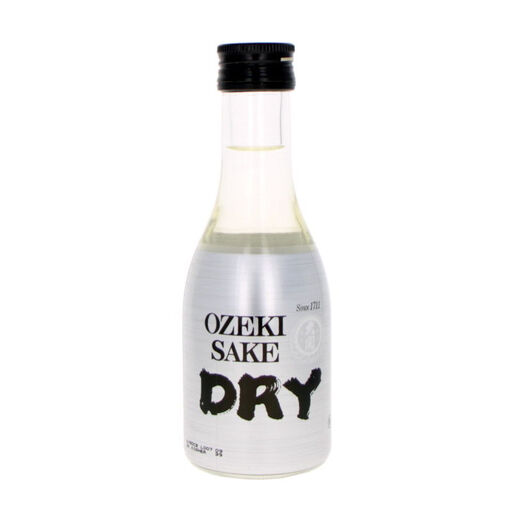
Why it suits this profile: The small format reduces waste and is ideal for trying dry junmai sake for the first time.
The alcohol percentage of approximately 14% and the 180 ml volume are clearly stated, so the size and strength are not confused.
Junmai brewing method according to the product information; can be served chilled, at room temperature or lightly warmed.
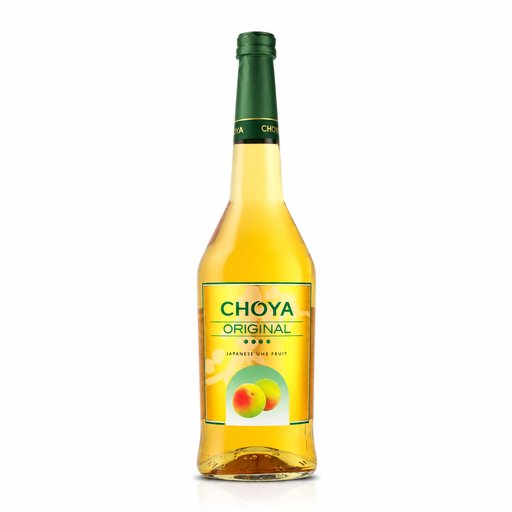
Why it suits this profile: The 750 ml bottle is ideal for dinner, gifting or occasions when you want to serve the drink chilled, over ice or in cocktails.
The 10% alcohol percentage and the ingredients—ume plums, sugar and distilled spirits—make its sweet style clear from the outset.
750 ml volume; according to the product information, made without artificial colourings or preservatives.
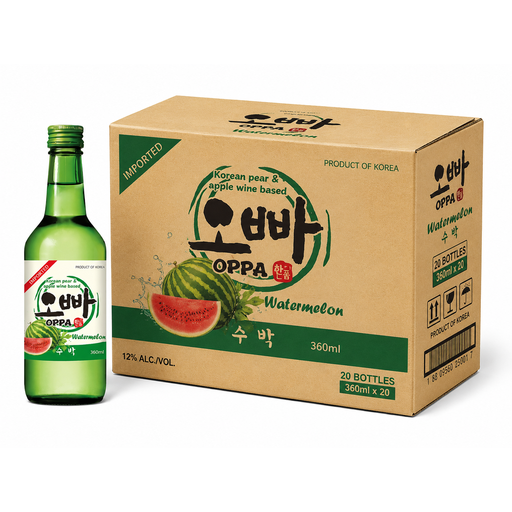
Why it suits this profile: The multipack is designed for parties, larger groups and cocktails requiring multiple servings.
The packaging states both 20 bottles and 360 ml per bottle, making the total quantity clear before purchase.
12% alcohol; watermelon flavour; suitable for serving chilled, over ice or as a cocktail base.
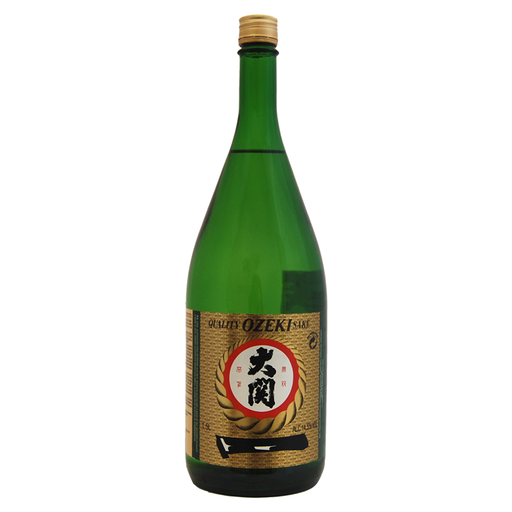
Why it suits this profile: The 1.5-litre volume is practical for dinners, larger tables and regular serving with Japanese dishes.
The large bottle is clearly intended for sharing. The product information states that it has a dry, full-bodied flavour and contains sake, water and rice.
1.5-litre volume; junmai style; store in a cool place away from direct sunlight and heat.
We have put together a complete, up-to-date list of products that fully meet these strict selection criteria and the applicable European safety regulations.
A 180 or 375 ml bottle is a manageable choice for a first taste. This lets you try the flavour and serving temperature without immediately buying a large quantity. Do bear the alcohol percentage in mind: a small bottle can still contain approximately 14 to 16% alcohol.
Always follow the instructions on the packaging. Makgeolli and other fermented rice wines often come with refrigeration advice. The shelf life may be shorter after opening. Check the date, seal the bottle securely and consume the product according to the stated instructions.
That depends on the number of guests and the flavour you want. A multipack of flavoured soju is practical for individual servings and cocktails. For a dinner, a bottle of junmai sake or umeshu may be the more logical choice. If you want to offer different flavours, it is better to choose several small packs than one large bottle.
