
Vandaag of morgen in huis

Kwaliteit gegarandeerd

Welkomstaanbiedingen ontgrendelen: GRATIS bezorging | Tot 80% korting | Gratis 30 dagen JoyPlus-proefperiode
Download de app
Asian cuisine has become a staple in the Netherlands. From a steaming bowl of ramen to a lively Korean barbecue, we thoroughly enjoy it all. But what do you drink with it? The right beverage can complete a meal. However, the range of Asian drinks can be overwhelming. This article serves as a practical guide to help you choose beverages like sake, soju, and Japanese plum wine, so you can make a confident choice that suits your taste and occasion.
Navigating the selection of Japanese drinks and Korean drinks is easier when you know what to look for. Here are a few practical tips.
Asian drinks vary greatly in taste. Soju, a popular Korean spirit, is often clear and neutral, but flavoured varieties like ChumChurum with peach flavour are sweet and fruity. If you plan on buying sake, remember that there are many styles. Junmai sake, like the Ozeki sake in our recommendations, often has a pure, rich flavour with umami notes and can range from dry to slightly sweet. Japanese plum wine, also known as umeshu, is an Asian liqueur renowned for its signature balance of sweet and sour.
For a dinner where you're serving dishes like sushi or grilled fish, a bottle of sake is an excellent choice. The drink is meant for sharing and complements the flavours of the food. A bottle of soju, on the other hand, is perfect for a casual evening with friends, enjoyed neat or mixed in a cocktail. A smaller bottle of Choya umeshu is ideal as an aperitif to stimulate the appetite, or as a dessert wine after the meal.
The production method has a significant impact on the flavour. Sake is brewed from rice, water, yeast, and koji, similar to how beer is made. Soju is a distilled spirit, traditionally from rice, but now also from other starch sources. Umeshu is a liqueur, made by infusing Japanese ume plums in alcohol and sugar. The alcohol content also varies: sake is typically between 14-16%, soju around 12-20%, and umeshu often between 10-15%.
Based on product specifications and popularity, we have curated a selection of drinks that offer a great introduction to the world of Asian beverages.
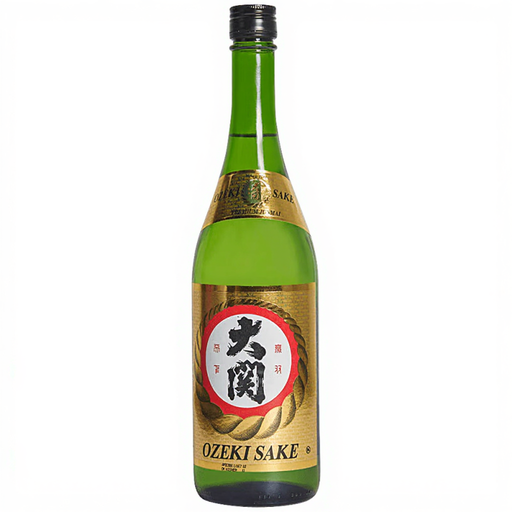
Why It Stands Out This sake is brewed according to the traditional Junmai method. This means only rice, water, yeast, and koji are used, without any added distilled alcohol. The result is a pure and balanced drink with a smooth flavour.
Pros
Who It's For This is a great choice for those seeking an authentic Japanese drink to pair with a meal. It is also a solid starting point for anyone looking to buy sake for the first time.
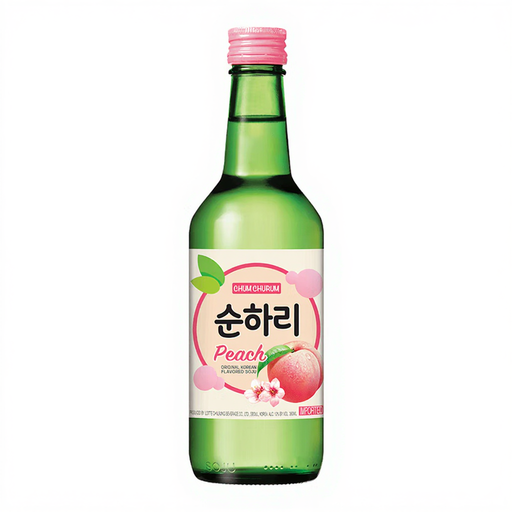
Why It Stands Out ChumChurum is a well-known brand in the world of soju. This variety combines the traditional smoothness of soju with a distinct, sweet peach flavour. Its lower alcohol content of 12% makes it a very approachable drink.
Pros
Who It's For Perfect for lovers of Korean drinks who are looking for something fruity and light. It's also an excellent introduction for those new to soju or anyone seeking a drink for a party.
View ChumChurum Soju Peach 350ml
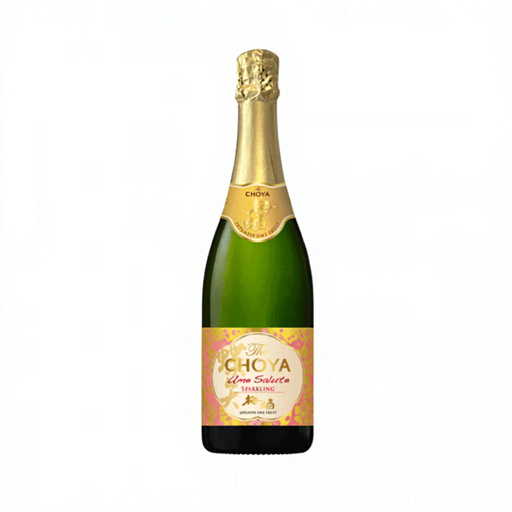
Why It Stands Out Choya is a renowned producer of umeshu. This Ume Salute is made from carefully selected ume plums, ensuring a harmonious balance between sweet and subtle sour notes. The 200 ml size is ideal for trying it for the first time.
Pros
Who It's For For anyone wanting to discover a unique Asian liqueur. It is an excellent choice as an aperitif, a drink with dessert, or for those who enjoy experimenting with mixing cocktails.
While sake, soju, and umeshu are unique beverages that enrich Asian dining culture, sometimes a meal isn't complete without a different type of drink. For those seeking a classic pairing with a spicy dish or simply wanting to explore another option, exploring our assortment could be a great next step.
Discover our range of premium beer
The main difference lies in the production process. Sake is a brewed beverage, made from fermented rice, with a process similar to beer brewing. Its alcohol content is typically around 14-16%. Soju is a distilled spirit, comparable to vodka, and can be made from rice, wheat, or sweet potato. It is often clear in taste, and its alcohol content can vary, but for popular varieties, it is often around 12-20%.
Umeshu is very versatile. You can drink it in several ways:
