
Vandaag of morgen in huis

Kwaliteit gegarandeerd

Welkomstaanbiedingen ontgrendelen: GRATIS bezorging | Tot 80% korting | Gratis 30 dagen JoyPlus-proefperiode
Download de app
A jar or tin of Korean kimchi might seem like a straightforward purchase, but the differences between products are noticeable in practice. If you’re looking for a ready-to-eat side dish for rice, noodles or soup, you don’t want to end up with a pack that loses its flavour quickly after opening, is too salty for your needs, or contains ingredients that don’t suit your diet.
Pay particular attention to three common pitfalls:
For a store-cupboard staple, products labelled ambient or with storage instructions for a cool, dry place are practical. Delief Sliced Napa Cabbage Kimchi Can 160g, for example, comes in a tin and, according to the product information, can be stored unrefrigerated before opening. Sempio Canned Kimchi Original Ambient 160g also comes in a tin and is designed for storage outside the fridge before opening.
Always check:
A small tin of 150 to 160 grams is ideal for a single meal or a household that doesn’t eat kimchi every day. A 410-gram pack is more worthwhile if you regularly use kimchi with rice and noodles.
With napa cabbage kimchi, the base is usually salted Chinese cabbage, radish, red pepper, garlic, onion and ginger. However, the exact recipe varies. Jongga KR Chongga Mat Kimchi lists fermented anchovy sauce and prawn sauce among its ingredients, so it contains shellfish. Sempio lists soya as an allergen.
So check before you buy:
Be aware of the difference between a product claim and a fixed guarantee. If a brand or product description describes an item as vegan, gluten-free or traditional, base your purchase on the current packaging and ingredients list. According to the product description, the Sempio Original variant is vegan and gluten-free; double-check this on the label when it arrives.
Pre-cut kimchi is ready to serve and handy in stir-fries, noodles and fried rice. The cut also affects how easy the product is to use. Sempio delivers the cabbage in bite-sized pieces. Jongga KR Chongga Mat Kimchi is prepared so that you don’t need to cut the whole cabbage yourself.
For a classic side dish, look for crunchiness and a fresh, tangy flavour. For hot dishes, a distinctly spicy kimchi often works well, because the flavour can mellow slightly during frying or cooking. Use tinned kimchi, for example, in kimchi fried rice, with noodles, in soup or alongside grilled meat. The flavour enhancer doesn’t always have to be the main ingredient.
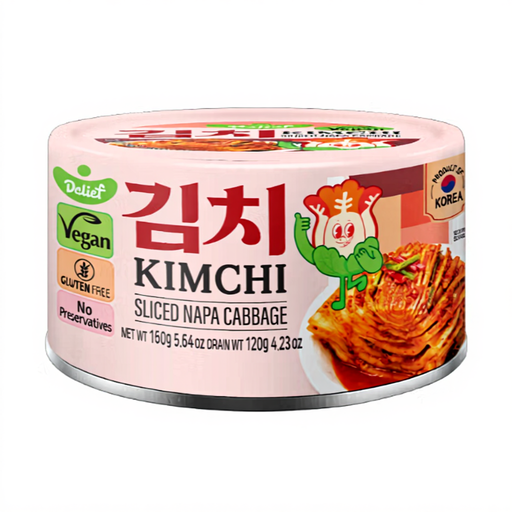
Why this fits the profile: The 160-gram portion is manageable for anyone trying Korean kimchi for the first time and not wanting to open a large pack.
The pre-cut cabbage and tin make portioning easy. The product information states 75.1% salted napa cabbage and storage in a cool, dry place before opening.
160 g, pre-cut and ready to eat; suitable as a side dish or for fried rice, noodles and soup.
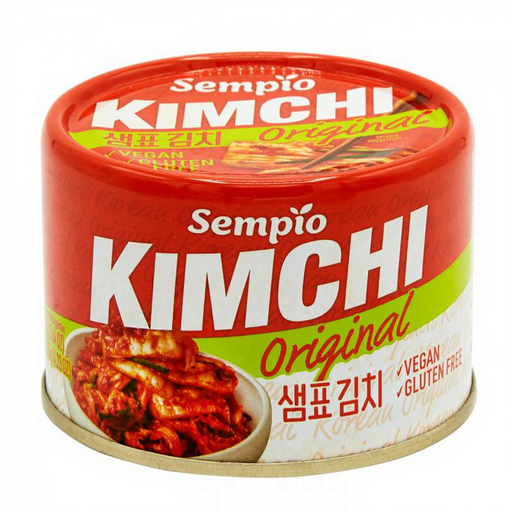
Why this fits the profile: The combination of bite-sized pieces and a tin suits consumers who want convenience combined with clear product information.
The product description lists ingredients, allergens, nutritional values and storage instructions. According to the product description, it contains no artificial colours or flavourings.
160 g, made in Korea according to the product information; suitable as a side dish, topping or ingredient.
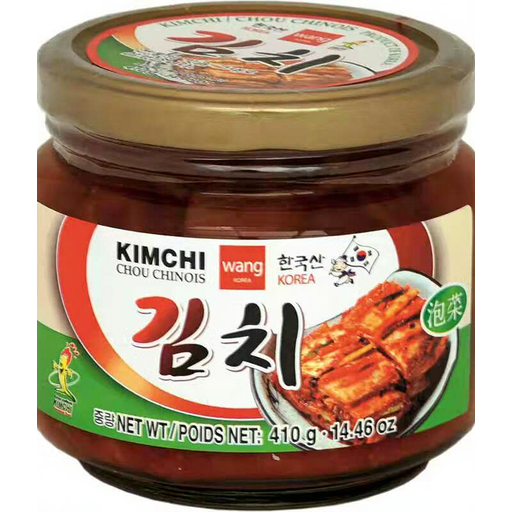
Why this fits the profile: The larger pack is practical for home cooks who use kimchi often in fried rice, noodles, stir-fries or soup.
The packaging states a net weight of 410 grams and storage in a cool, dry place before opening. This lets you match the contents to regular use.
Large contents; cabbage as the main ingredient; suitable for multiple meals and uses.
We’ve put together a full, up-to-date list of products that fully meet these strict selection criteria and comply with current European safety regulations.
No. The heat depends on the amount of red pepper and the sauce used. Products with red pepper powder can taste mild to distinctly spicy. If in doubt, check the product description and start with a small portion as a side dish.
This varies by product. Follow the instructions on the pack and store opened kimchi as directed. Seal the pack tightly and check the smell, appearance and best-before information before using the product.
Yes. Pre-cut kimchi is suitable for fried rice, noodles, soup and stir-fries. Add kimchi during cooking if you want a softer texture, or use it after cooking as a fresh, spicy topping.
