
Vandaag of morgen in huis

Kwaliteit gegarandeerd

Welkomstaanbiedingen ontgrendelen: GRATIS bezorging | Tot 80% korting | Gratis 30 dagen JoyPlus-proefperiode
Download de app
Korean kimchi comes in more forms than just a jar of fermented cabbage. You’ll find sliced kimchi in bags, tinned kimchi, ambient kimchi and ready-made dishes such as kimchi jjigae. This can make comparing products less straightforward. Looking for a spicy side dish, a cupboard staple or a quick base for kimchi noodles? In that case, packaging, ingredients and nutritional information are particularly important.
Words such as “authentic”, “traditional” and “Korean-style” don’t automatically tell you what the product tastes like. Check the ingredients list. Napa cabbage, radish, garlic, ginger and red chilli are common ingredients in Korean kimchi. Some varieties also contain fish sauce, prawns, anchovies, soya, sugar or flavour enhancers.
A product may therefore be suitable as Korean kimchi, but still not fit your diet, preferred level of spiciness or preference for a plant-based variety. According to its own product information, Sempio describes its tinned variety as vegan and gluten-free; always check the current packaging and allergen information before buying.
The term ambient kimchi means that the product can be stored without refrigeration while the packaging is sealed. This applies, for example, to certain tins and bags. This is convenient for a cupboard, but it doesn’t mean you can leave an opened pack outside the fridge indefinitely.
Store unopened products in a cool, dry place away from direct sunlight, as stated on the label. Seal the packaging securely after opening and follow the storage and consumption instructions. Also check for damaged packaging and the stated best-before date.
Kimchi is often eaten in small portions. A pack of 80, 100, 150, 160 or 200 grams can be practical if you serve kimchi as a side dish occasionally. A larger pack, such as 410 grams, is better suited to several meals or a household where kimchi is used regularly.
For one person, a small tin or portion pack can help reduce waste. A larger pack is often more convenient for ramen, fried rice and soups.
The base of many varieties is napa cabbage, also known as Chinese leaf. Check the percentage of cabbage in the ingredients list. Delief Sliced Napa Cabbage Kimchi Can 160g, for example, states that it contains 75.1% salted napa cabbage. Bibigo Kimchi Ambient 150g states that it contains 63% salted napa cabbage.
Sliced kimchi is ready to serve and doesn’t need cutting. This is practical with rice, noodles and wraps. A coarser cut can provide more bite, while smaller pieces are easier to mix into a soup or stir-fry.
Choose according to your storage space:
A tin cannot be resealed airtight after opening in the same way as a resealable bag. Plan in advance how you’ll use the contents.
Kimchi often contains salt because the cabbage is pickled and seasoned. The differences between products are clear from the label. Delief states that it contains 600 mg of sodium per 100 grams. Bibigo states that it contains 1.7 grams of salt per 100 grams, while Jongga KR CHONGGA Mat Kimchi states that it contains 3.2 grams of salt per 100 grams.
Also compare:
The nutritional information for kimchi noodles usually applies to the dry product or the prepared portion according to the packaging. So don’t compare these values directly with ordinary kimchi.
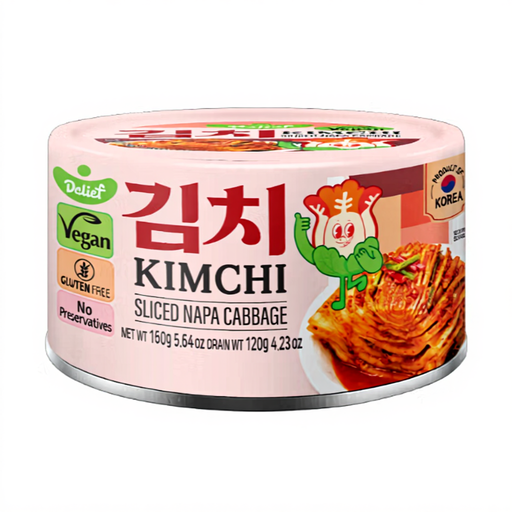
Why it suits this profile: The 160-gram portion is a manageable size for anyone trying kimchi for the first time. The pieces are already sliced and can be served straight away as a side dish.
The packaging states a clear amount of napa cabbage and gives storage instructions for the unopened ambient product.
160 g, sliced napa cabbage and, according to the product information, 40 kcal and 0 g of fat per 100 g.
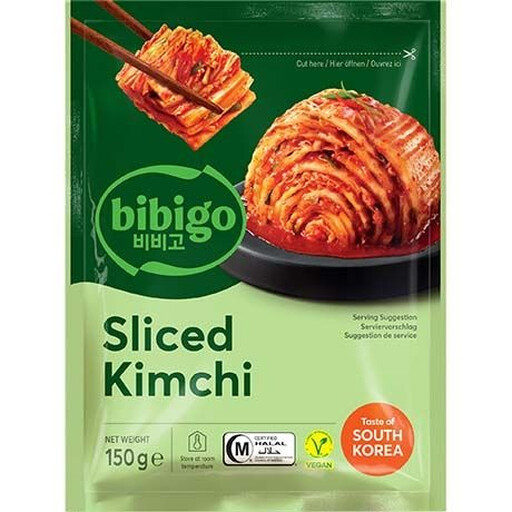
Why it suits this profile: This compact ambient pack fits neatly in a cupboard and offers a sliced variety for rice, noodles or a Korean meal.
The product information provides ingredients, allergens and nutritional values per 100 g, so you don’t have to rely solely on the wording on the packaging.
150 g, 44 kcal per 100 g and, according to the listed ingredient information, none of the 14 main EU allergens.
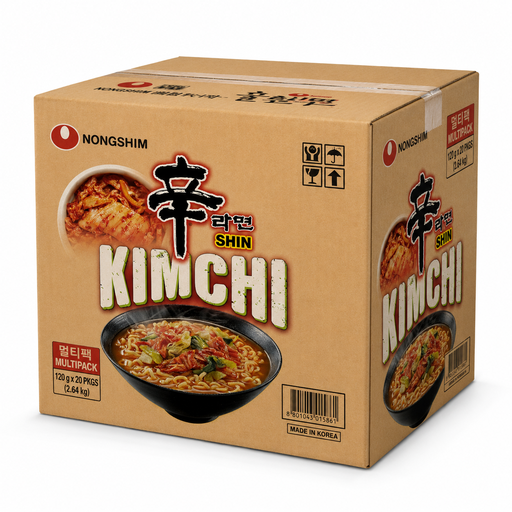
Why it suits this profile: The bulk pack is aimed at households, offices or fans of Korean instant noodles who regularly prepare a quick meal.
The box contains 20 portions, making it easier to judge in advance whether the quantity suits your consumption. Do bear the allergens and salt content in mind.
20 packs of 120 g, with dried vegetables and kimchi pieces; according to the product information, it contains gluten, soya, fish and mustard.
Serve kimchi straight from the pack with rice, fried chicken or grilled vegetables. You can also use it in:
For a ready-made option, Rengi Korean Kimchi Soup, kimchi jjigae, is available as a 500-gram frozen product. For frozen items, check the delivery and storage instructions before ordering.
We’ve put together a complete, up-to-date list of products that fully meet these strict selection criteria and the applicable European safety regulations.
Korean kimchi is usually fermented cabbage seasoned with spices, red chilli, garlic, ginger and sometimes radish. The flavour can be fresh and sour, spicy, savoury or milder. The exact ingredients vary by brand and packaging.
Always check the best-before date and the instructions on the packaging. You can generally store an unopened ambient product outside the fridge in a cool, dry place. After opening, seal the packaging securely and follow the stated storage advice.
Sliced kimchi and small portions are practical for serving straight away. For a quick bowl of Korean instant noodles, choose a kimchi noodle soup. If you cook from scratch, you can use a jar or tin for fried rice, kimchi jjigae and stir-fries. Always check the salt and allergen content on the label when buying noodles.
