
Vandaag of morgen in huis

Kwaliteit gegarandeerd

Welkomstaanbiedingen ontgrendelen: GRATIS bezorging | Tot 80% korting | Gratis 30 dagen JoyPlus-proefperiode
Download de app
Would you like to buy kimchi to serve with rice, noodles or as a side dish? You will soon come across a wide range of packaging: Korean kimchi, tinned kimchi, sliced kimchi and Chinese pickled cabbage. The products may look similar, but they differ considerably in flavour, use, pack size, ingredients and storage method.
The product name alone does not always tell you enough. For example, a product described as having a “traditional flavour” may contain more sugar, salt, flavour enhancers or preservatives than you expect. Not all fermented cabbage is the same as Korean napa cabbage kimchi, either. The following checks can help you avoid buying the wrong product.
Korean kimchi is usually made with Chinese cabbage, radish, red chilli, garlic, ginger and other seasonings. Chinese pickled cabbage and pickled mustard greens have a different base and are often used in stir-fries, noodle dishes or rice dishes.
That does not make them any less useful, but they do have a different flavour. Napa cabbage kimchi is generally the obvious choice if you are looking for the classic spicy, tangy profile. For a savoury addition to noodles or steamed buns, a product made with mustard greens may be a better fit.
According to some brands’ own product information, kimchi is made using traditional fermentation methods. That does not automatically tell you how many live cultures the product contains when you buy it. Storage, packaging and processing can all affect the finished product.
Choose based on verifiable information instead: ingredients, salt content, allergens, shelf life and the preparation method stated on the label. Avoid medical or health claims, and focus primarily on the flavour and the way you intend to use the product.
An 80 or 100-gram pouch is convenient for a single meal, but less suitable if you eat kimchi regularly. A 410 or 464-gram pack gives you more to work with, but it must be sealed properly after opening and stored according to the label.
Tinned kimchi and other ambient products can be kept unopened in a cool, dry cupboard. Always check the packaging: some products need to be refrigerated after opening, while others should be consumed straight away.
Start by checking the main vegetable and key seasonings. Korean kimchi often contains Chinese cabbage, radish, chilli powder, garlic, onion and ginger. Also look out for fish, prawns, soya and wheat.
Examples:
If you are buying vegetarian or vegan products, check the label carefully. A product may look plant-based but still contain fish or shellfish ingredients.
Kimchi and pickled vegetables often contain relatively high levels of salt. Compare the amount per 100 grams rather than looking only at the serving size. The available product information gives the following examples:
A low sugar content does not automatically mean a mild flavour, either. Heat mainly comes from chilli and spices, while sourness is linked to the acids used and the fermentation process. If you are looking for distinctly spicy kimchi, check the percentage of chilli powder and the ingredients list.
Think about when you would normally eat it:
Sliced kimchi is ready to serve straight away. Larger pieces or whole cabbage leaves may need to be cut up first. Products such as Liu Bi Ju Pickled Cabbage Shredded are intended to be rinsed and cooked first, so they are used differently from ready-to-eat kimchi served as a side dish.
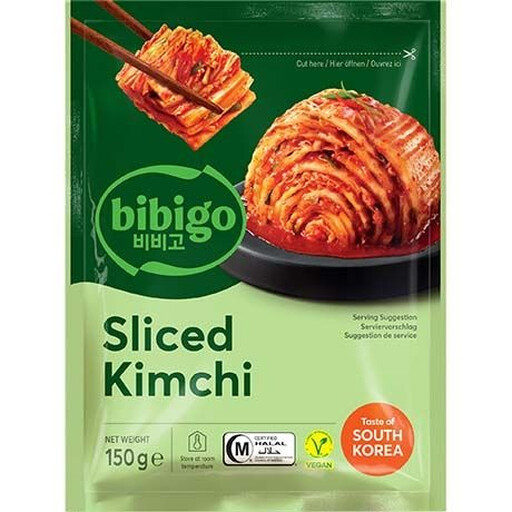
Why it suits this profile: The size is easy to manage if you are trying Korean kimchi for the first time. The jar can be stored in a cool, dry place while unopened.
The ingredients and allergens are clearly listed, so you do not have to rely solely on words such as “traditional”.
150 grams of sliced Chinese cabbage and 1.7 grams of salt per 100 grams according to the product information.
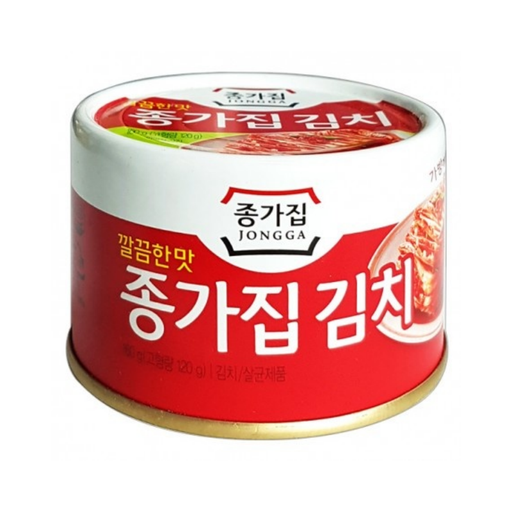
Why it suits this profile: This sliced variety is ready to eat, without needing to cut up a whole cabbage, and works well with rice or noodle dishes.
The ingredients list explicitly mentions anchovy and prawn sauce, allowing you to check for allergens before ordering.
160 grams, a sliced format and a stated salt content of 3.2 grams per 100 grams.
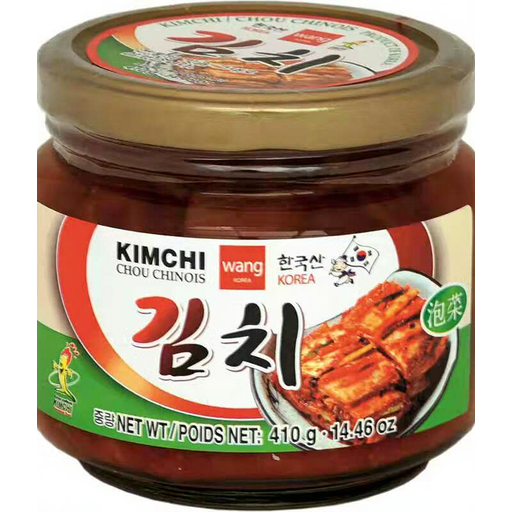
Why it suits this profile: The larger pack is useful if you regularly use kimchi in fried rice, noodle dishes, soups or as a side dish.
The size means you do not need a small pouch for every dish. Do check the storage instructions after opening.
410-gram family-size pack containing cabbage, carrot, pepper, onion, garlic, rice and ginger according to the product information.
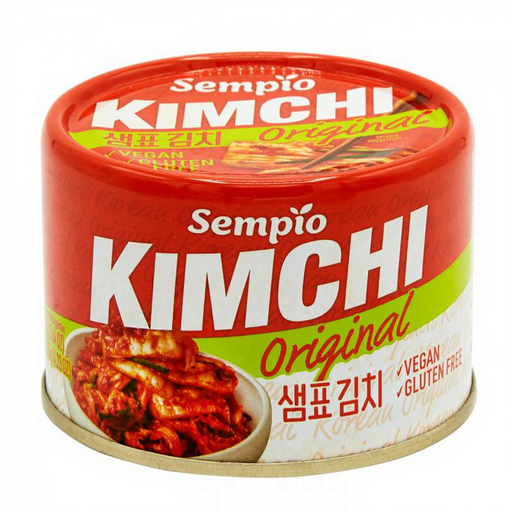
Why it suits this profile: The tin is convenient for stocking up, and the product description states that it is vegan and gluten-free.
The portion is compact and the tin can be stored unopened in a cool, dry cupboard. Check for soya as an allergen.
We have put together a complete, up-to-date list of products that fully meet these strict selection criteria and the applicable European safety regulations.
Ready-to-eat kimchi is far more versatile than simply serving it as a side dish. Add a small portion to steamed rice, stir sliced kimchi into fried rice or mix it through noodles. For soup, you could choose a ready-made kimchi jjigae, such as Rengi’s Korean Kimchi Soup. Chinese pickled cabbage and mustard greens work well in stir-fries, dumpling fillings or as a flavour booster in noodle dishes.
Pay attention to the difference between serving a product straight away and cooking it first. Products such as OBAP Korean Kimchi and Ajumma Republic Kimchi are described as suitable for eating straight from the pack. Liu Bi Ju Pickled Cabbage Shredded, on the other hand, states that it needs to be rinsed and cooked.
A smaller pack of 100 to 160 grams is practical. This lets you try the flavour and heat without building up a large supply. Sliced kimchi is also ready to serve straight away.
Always check the best-before date on the packaging. According to the product information, unopened ambient kimchi can generally be stored in a cool, dry place. After opening, seal the packaging properly and follow the specific instructions on the label. Some products need to be refrigerated or consumed quickly after opening.
No. Some varieties contain anchovies, prawns, fish sauce or soya. Always check the ingredients and allergens. The product description for Sempio Canned Kimchi Original states that it is vegan, while Jongga KR Chongga Mat Kimchi contains fish and shellfish ingredients according to its ingredients list.
