
Vandaag of morgen in huis

Kwaliteit gegarandeerd

Welkomstaanbiedingen ontgrendelen: GRATIS bezorging | Tot 80% korting | Gratis 30 dagen JoyPlus-proefperiode
Download de app
Korean kimchi is a spicy, sour and crunchy side dish that also works as a flavouring in hot dishes. However, packs can vary considerably in size, ingredients, allergens, texture and storage method. If you rely solely on words such as “authentic” or “traditional”, you may end up buying a product that does not suit your dietary preferences or cupboard space.
When buying kimchi, pay particular attention to three common pitfalls:
The best-known variety is Korean cabbage kimchi, usually made with napa cabbage, also known as Chinese cabbage. On the label, this may appear as “napa cabbage”, “Chinese cabbage” or “Chinese kool”.
Chopped kimchi is convenient if you want to serve it straight away or mix it into rice and noodles. A whole cabbage sometimes provides larger pieces and a different eating experience, but requires more preparation. Chopped varieties are practical for a quick meal.
Prefer a firmer bite? Then look for radish kimchi. Radish generally has a crunchy texture and works well alongside rice, noodles or congee. Pay extra attention to the salt content with this variety: the product information for some radish kimchi lists more salt per 100 grams than cabbage kimchi.
Kimchi can contain ingredients you may not immediately expect. Common additions include:
If you follow a vegetarian or vegan diet, do not rely on the product name alone. Always check the current packaging. According to the product information, Sempio Canned Kimchi Original is vegan, while other varieties contain fish, soya or shellfish. According to the product specification, Bibigo Kimchi Ambient contains none of the 14 major EU allergens.
A pack weighing 80 to 100 grams is suitable as a one-off side dish or for trying a product. Sizes from 150 to 215 grams offer more scope for several meals. A 410-gram pack is more appealing if you regularly use kimchi in stir-fries, soup or fried rice.
Tinned kimchi and other ambient varieties can be stored unopened in a cool, dry cupboard. This is practical for student kitchens, smaller households and stocking up. Once opened, the packaging should be sealed properly and usually stored in the fridge. Always check the label, as the storage period after opening varies by product.
Also compare the nutritional values per 100 grams. Salt levels in particular can vary. For example, the product information for Chunyu Palace Tasty Kimchi lists 3.3 grams of salt per 100 grams, while Ajumma Republic Kimchi lists 1.9 grams. This does not automatically make one product suitable for everyone, but it can help you make an informed choice.
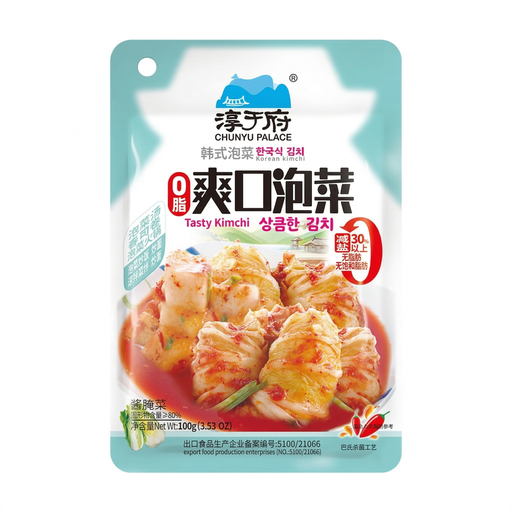
Why it suits this profile: The 100-gram size is manageable if you are trying Korean kimchi for the first time or only occasionally serve a small side dish.
The ingredients and allergens are clearly listed. According to the specification, the product contains soya and fish, helping to prevent the wrong purchase for those with dietary requirements.
Crunchy texture, ready to serve and suitable with rice, noodles or congee.
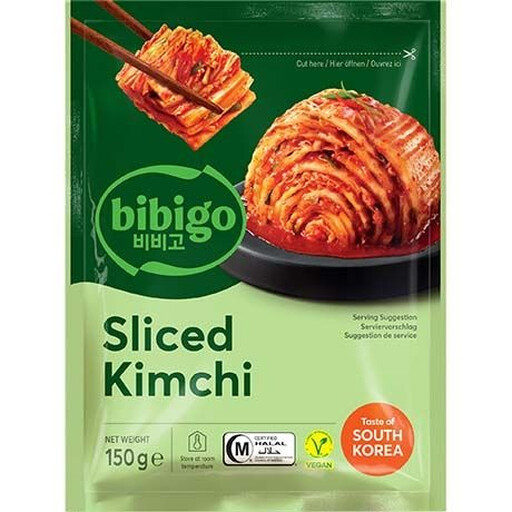
Why it suits this profile: The chopped napa cabbage kimchi combines a medium-sized portion with packaging that is suitable for cupboard storage.
The product information states that it contains none of the 14 major EU allergens. However, always check the current packaging before buying.
150 grams, chopped cabbage, 44 kcal and 1.7 grams of salt per 100 grams according to the nutritional information provided.
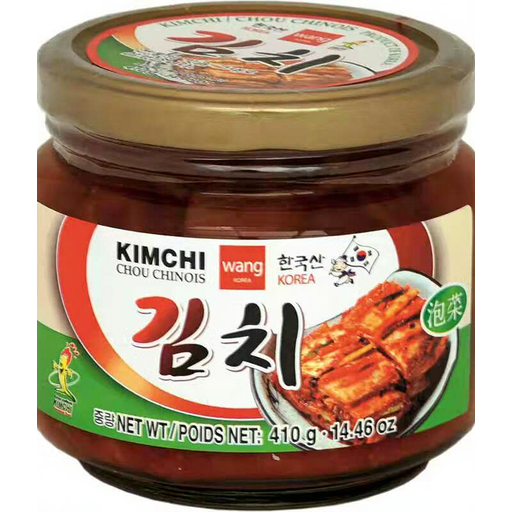
Why it suits this profile: The larger size is practical for households that often use kimchi in fried rice, soup, noodles or stir-fries.
The portion size means you do not need several small packs. However, pay attention to the stated salt content and seal the packaging properly after opening.
410 grams, ambient storage and, according to the product information, none of the 14 major EU allergens.
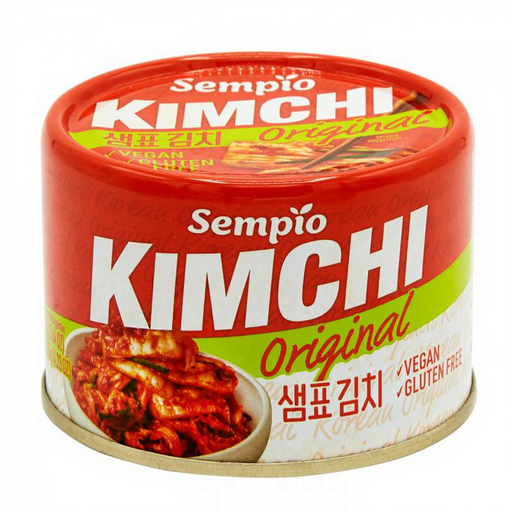
Why it suits this profile: A tin of chopped kimchi is suitable if you are looking for a plant-based option that is easy to store unopened.
According to the product information, this variety is vegan and gluten-free. The ingredients list does contain soya, so check the label if you have allergies.
160 grams, bite-sized pieces, no added preservatives according to the product description, and suitable for cold and hot dishes.
Serve kimchi as a side dish alongside fried rice, ramen, noodles or grilled vegetables. Its sour and spicy flavour means that a small portion is often enough. You can also fry kimchi briefly with rice, add it to noodle soup or use it as a topping on a savoury wrap.
Want to create a complete Korean meal? Combine kimchi with tteokbokki rice cakes. According to the product information, A+ Chopped Rice Cake (Teokboki) contains 98.9% rice and is intended to be prepared with ingredients including gochujang, vegetables and fish cakes. For a quick meal, ready-made rice cake products such as Yopokki Hot and Spicy Tteokbokki are a practical option. Once again, check the ingredients and allergens.
We have put together a complete, up-to-date list of products that fully meet these strict selection criteria and the applicable European safety regulations.
No. Many recipes contain fish sauce, anchovies or shrimp extract. Vegan varieties are available, including Sempio according to the product information. Always read the ingredients list and allergen information on the packaging.
This varies by product. In general, store opened kimchi in the fridge, seal the packaging properly and follow the instructions on the label. For example, Chunyu Palace Radish Kimchi states that it should be refrigerated after opening and consumed within three days.
Yes, products labelled as ready to eat can be eaten straight from the packaging. Tinned kimchi or an ambient pouch does not need to be refrigerated while unopened when the product instructions state this. Before use, check the packaging, best-before date and whether there is any unusual smell, colour or texture.
